Key Takeaways
- A clear, 10-step beginner’s roadmap from choosing your first bike to riding confidently
- Essential safety and pre-ride checks to keep you secure on every outing
- Quick-start training plan, nutrition tips, and basic maintenance pointers
How to start cycling can feel overwhelming—figuring out the right bike, mastering basic skills, and planning safe routes can leave many beginners unsure where to begin.
Recently, more people have turned their interests to cycling. Even when there is a pandemic, bike sales have drastically increased by 50% compared to last year. It’s a testament to cycling’s enduring appeal as a healthy, enjoyable, and eco-friendly way to exercise.
If you are interested in cycling a new exercise, this is an excellent time to try it out. But, just like any new habit, the first time may be the hardest. That’s why we are giving out the basics and tips for beginners.
Need a Few Practical Extras for Your Next Ride?
Browse cycling-related clothing and simple bike accessories that may help with comfort, visibility, storage, or everyday riding.
Paid links. As an Amazon Associate we earn from qualifying purchases.
Knowing how to start cycling does not have to be complicated. We have proven that this guide’s information and cycling tips can prepare you for longer and adventurous rides.

Choose the Right Bike for You
You can’t start cycling without a bike. It is overwhelming for beginners to choose the right bike as there are several types of bikes. Consider how you use your bike before you purchase one, there are different types of bikes, and they all make a difference.
Here are some tips to help you choose a bike that’s right for you:
- Determine your riding goals: Consider what type of riding you’ll be doing and your goals. Are you looking for a bike to commute to work, ride for leisure, or tackle off-road trails? Knowing your goals will help narrow down your options.
- Consider your budget: Bikes can range from a few hundred to several thousand dollars. Determine how much you’re willing to spend and look for bikes that fit your budget.
- Get properly fitted: Proper fit is crucial for comfort and performance. Visit a local bike shop and have a professional help you determine the right size and fit for your body.
- Test ride several bikes: Once you have an idea of what type of bike you’re looking for, test ride several bikes to compare their feel and performance. This will help you find a bike that’s comfortable and meets your riding needs. Keep notes on comfort levels and handling—this feedback will guide your final choice.
- Consider the components: Look for bikes with components that fit your needs and budget. Higher-end components can improve performance, but may not be necessary for casual riders.
- Read reviews: Read online reviews from other cyclists to get an idea of how the bike performs in real-world conditions.
If you fancy a specific type of bike, check out our articles for our recommended bikes available in the market today.
1. Mountain Bike
If you’re interested in starting cycling and want to explore the outdoors, mountain biking is an excellent choice. Mountain biking offers a fun and challenging way to exercise while enjoying nature.
To get started, you’ll need a mountain bike, helmet, and appropriate clothing and shoes. It’s important to choose the right size and style of bike for your needs and abilities.
Start with easy, beginner-friendly trails and gradually work your way up to more challenging terrain. Make sure to practice proper technique, such as keeping your weight centered and using your brakes correctly.
Check out our articles on mountain bikes to help you choose the best one for you.

XC vs Trail Bike: What’s the Difference? 7 Powerful Insights

The 7 Best Mountain Bikes Under $500

The 10 Best Mountain Bikes Under $1000
Road Bike Vs Mountain Bike for Exercise: Powerful Health Benefits Compared

MTB Chain Guide: Should You Mount a Chain Guide on Your Mountain Bike?

Hybrid vs Mountain Bike: The Ultimate Difference

How Much is a Mountain Bike? Important Price Ranges You Need to Know

Gravel Bike vs Mountain Bike: Understanding the Differences

Dirt Bike vs Mountain Bike: Essential Differences

Can You Put Road Tires on a Mountain Bike? Easy Tips

BMX vs Mountain Bike: The Ultimate Difference

Best Women’s Mountain Bikes (Top 10 for 2026)

Best Mountain Bikes for Women under $500 (2026 Buying Guide & Reviews)

Best Hardtail Mountain Bikes Under 1500 in 2026

Best Hardtail Mountain Bikes Under $500

Best Full Suspension Mountain Bike Under $1000

Best Folding Mountain Bikes (2026 Review and Complete Buying Guide)

Best Fat Bikes Under $1000 (2026 Buying Guide and Reviews)

Best Budget Full Suspension Mountain Bikes in 2026 (Buying Guides and Reviews)

Best Beginner Mountain Bike [2026 Top Picks]
2. Road Bike
If you’re looking to start cycling and want to hit the pavement, a road bike may be the perfect fit for you. Road bikes are designed for speed and efficiency, making them ideal for longer rides and commuting. To get started, you’ll need a road bike, helmet, and appropriate cycling gear. It’s important to choose the right size and style of bike for your needs and abilities.
Start with shorter, easier routes and gradually increase your distance and speed. Practice proper technique, such as keeping a steady cadence and using your gears effectively.
Check our articles on road bikes to help you decide.

Touring Bike vs Road Bike: The Ultimate Difference

The Ultimate Road Cycling Setup: Gear, Fit, and Care Guide
Road Bike Vs Mountain Bike for Exercise: Powerful Health Benefits Compared

Gravel Bike vs Road Bike: 8 Important Differences

Different Types of Road Bikes (Explained)

Cyclocross vs Road Bike: Powerful Differences You Need to Know

Best Road Bikes Under $1500 in 2026

Best Road Bikes Under $1000 (2026 Reviews)

Best Aluminum Road Bikes in 2026 (Buying Guide & Reviews)

7 Best Road Bikes Under $500 [Top Picks for 2026]

7 Best Road Bikes Under $2000 in 2026

5 Best Women’s Road Bikes Under $1000 [Top Picks for 2026]
3. Hybrid Bike
If you’re new to cycling and not sure what type of bike to start with, a hybrid bike may be the perfect choice. Hybrid bikes are a versatile option that combines features of both road and mountain bikes, making them great for a variety of riding styles. To get started, you’ll need a hybrid bike, helmet, and appropriate cycling gear. It’s important to choose the right size and style of bike for your needs and abilities.
Start with shorter, easier routes and gradually increase your distance and speed. Practice proper technique, such as using your gears effectively and maintaining a comfortable riding position.
Check out our articles on hybrid bikes to help you choose the best one for you.
Hybrid vs Mountain Bike: The Ultimate Difference

Gravel Bike Vs Hybrid Bike: Your Ultimate Guide

Best Hybrid Bikes Under $300 (2026 Reviews with Buying Guide)

Best Hybrid Bikes Under $1000 (2026 Review)

Best Bikes for Overweight Females (2026 Buying Guide & Reviews)

Best Bikes for College Students (2026 Affordable Commuter Bikes)

7 Powerful Reasons a Hybrid Bike on Trails Excels

5 Best Gravel Bikes Under $1000 (2026 Reviews with Complete Buying Guide)

10 Best Hybrid Bikes Under $500 [2026 Reviews]

10 Best Comfort Bikes for Women (Top Picks 2026)
4. BMX Bike
If you’re interested in getting into cycling and looking for a more exciting and challenging option, BMX riding may be for you. BMX bikes are designed for freestyle riding, racing, and performing tricks. To get started, you’ll need a BMX bike, helmet, and appropriate protective gear. It’s important to choose the right size and style of bike for your needs and abilities.
Start with basic tricks and gradually work your way up to more advanced maneuvers. Practice proper technique, such as maintaining control and balance while in the air.
Check our article on BMX bikes to hep you decide.
BMX vs Mountain Bike: The Ultimate Difference

Best BMX Freestyle Bikes in 2026: Which Bike Should You Get?

Best BMX Bikes in 2026 (Buying Guide & Reviews)

Best BMX Bikes for Kids in 2026 for Beginners (Buying Guide & Reviews)

Best Beginner BMX Bikes [2026 Top Picks]
5. E-bike/Electric Bike
If you’re interested in cycling but worried about the physical demands, an e-bike may be a great option for you. E-bikes are equipped with a motor that assists with pedaling, making it easier to tackle hills and ride longer distances. To get started, you’ll need an e-bike, helmet, and appropriate cycling gear. It’s important to choose the right size and style of bike for your needs and abilities.
Start with shorter, easier routes and gradually increase your distance and speed. Practice proper technique, such as using the pedal-assist system effectively.
Check our recommendations for e-bikes.

The right bike has to be a perfect size. You know it is the right size when you stand over the top tube. The clearance between the bike’s frame and your body should be about an inch. That’s why it is always best to check a bike’s recommended height.


Invest in the Right Gears
Do not be overwhelmed. You might be intimidated in buying several riding gears and for your bike. Experts advise cycling beginners to start with two items only: a helmet and a bag (get the best saddle bag or the best messenger bike bag). The helmet is one of the most critical pieces of gear to wear, while a simple backpack helps you carry all your belongings.
But, as you make cycling a habit, you become more interested in upgrading your bike and investing in new gears. These gears include but are not limited to pedals, seatpost, cycling computers, and other gears to make your ride comfortable.
Always consider your riding style when buying upgrades and gears.
Our Bike Gears/Accessories Recommendation

Most Comfortable Picks: Best Bike Seats for Overweight Riders in 2026

Most Comfortable Picks: 11 Best Bike Seats for Women in 2026 (Buying Guide & Reviews)
Bike Essentials 2026 (Must-Have Gears and Accessories)

Best Women’s Cycling Shoes (2026 Buying Guide & Reviews)

Best Water Bottle Cages for Cycling (2026 Buying Guide & Reviews)

Best Tailgate Pads for Mountain Bikes (2026 Top-Rated)

Best Smartwatches for Cycling in 2026

Best Saddle Bags in 2026 with Complete Buying Guide

Best Rear Bike Racks for Commuting & Touring [2026 Reviews]

Best Portable Multi-Use Tool Kits (2026 Buying Guide & Reviews)

Best Mountain Biking Backpacks in 2026 with Complete Buying Guide

Best Mountain Bike Sunglasses in 2026 with Complete Buying Guide

Best Mountain Bike Lights in 2026 (Buying Guide & Reviews)

Best Mountain Bike Chain Lubes (2026 Buying Guide)

Best Mini Bicycle Pump 2026 [Top 7 Picks]

Best Lightweight Bike Locks 2026 (Lightweight & Small)

Best Hydration Packs for Mountain Biking (2026)

Best Exercise Bike for Bad Knees (Our Top 7 Picks)

Best Enduro Helmet for Mountain Bike Riding

Best EDC Backpacks for 2026 with Complete Buying Guide

Use the Right Clothes
All these bike shopping and upgrades get every cyclist excited. As you continuously upgrade your bike to improve your cycling performance, do not forget to invest in the right clothes.
The right cycling clothes should be the best fit. It should make you comfortable while you move around and padded to keep you secure.
- Shorts: Waist shorts or bib shorts. It provides comfort during rides.
- Tights: Padded or unpadded. It is optional. Cyclists wear tights to cover more of their bodies.
- Jerseys: Made from synthetic wicking materials
- Arm and leg warmers: Cyclists usually wear warmers to keep them warm during chilly weather.
- Base layers: It protects from crash consequences and moves away sweat from your skin to jersey.
- Jackets: You either wear a jacket for insulation during cold weather or protect yourself from the rain.
- Gilet: Keeps the wind off from your torso and helps you from sweats.
- Socks: Go for socks made of thin and sweat-wicking fabric but with thicker sole padding.
- Shoes: Ensure to buy a cycling shoe. It has a stiff sole and cleats to clip into pedals.
- Helmet and Gloves: Added protection.
Proper cycling clothing makes your rides efficient, comfortable, and safe.
Basic Cycling Techniques

Riding position
Different bike types require different riding positions to optimize comfort and efficiency.
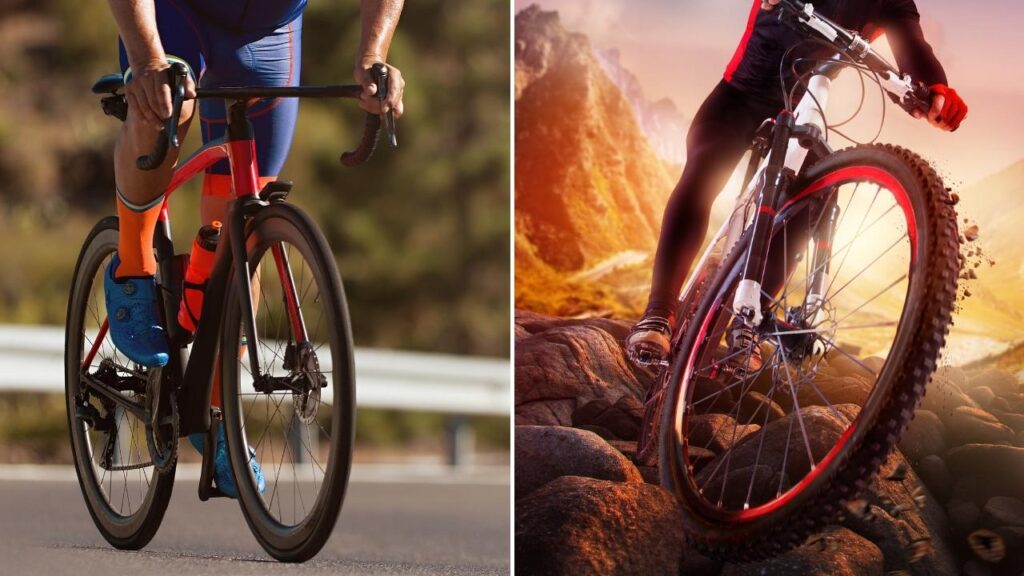
- Road bikes are designed for speed and efficiency, so their riding position is generally more aggressive. You’ll want to be leaning forward with your hands on the drops or the hoods of the handlebars. Your back should be slightly arched, and your elbows should be tucked in to reduce wind resistance.
- Mountain bikes require a more upright riding position for better balance and control on rough terrain. You’ll want to sit back a bit with your hands on the handlebars, and your back should be straighter to keep your weight centered over the bike.
- Hybrid bikes fall somewhere in between road bikes and mountain bikes in terms of riding position. You’ll want to be leaning slightly forward with your hands on the flat part of the handlebars, and your back should be straight but not too upright.
- BMX bikes are designed for stunts and tricks, so their riding position is generally more aggressive as well. You’ll want to be crouched low over the handlebars with your weight centered over the bike, and your arms should be slightly bent to absorb impact.
Gears

Gears refer to the system of cogs and chains on a bike that help you adjust the resistance to pedaling. They allow you to pedal more efficiently and comfortably, especially when faced with varying terrain.
There are typically two types of gears on bikes: front gears, or chainrings, and rear gears, or cogs. The number of gears a bike has can vary depending on the type of bike, but the concept of using the gears remains the same.
For example, a road bike may have two chainrings in the front and 10-12 cogs in the rear, while a mountain bike may have three chainrings in the front and 7-11 cogs in the rear.
When cycling, use your gears wisely to maintain your momentum and not over-exert yourself. When starting from a stop or climbing a hill, use a lower gear to make it easier to pedal. On the other hand, when you’re going downhill or on flat terrain, using a higher gear will help you go faster with less effort.
Learn to shift gears smoothly to avoid damaging your bike. Avoid shifting gears while pedaling hard, and instead, shift before you start pedaling or when you’re coasting.
Braking and turning

Brakes are the system that allows you to slow down or stop your bike. Most bikes come with two types of brakes: rim brakes and disc brakes. Rim brakes work by using rubber pads to squeeze the rim of the wheel, while disc brakes work by using metal discs to clamp down on the wheel.
When using your brakes, it’s important to apply them evenly and gradually to avoid skidding or losing control. Use both brakes at the same time to ensure even braking power. Remember, the front brake provides more stopping power than the rear brake, so avoid using only the front brake, especially when going downhill.
Turning is another important cycling technique that can help you navigate through obstacles and corners. To turn safely and effectively, start by looking in the direction you want to go. Then, shift your weight slightly in the direction of the turn and lean your bike into the turn. As you turn, keep your eyes focused on where you want to go and avoid looking down at your bike or the ground.
Practice braking and turning in a safe and controlled environment before attempting them on busy roads or trails.

Start Slowly and Gradually Increase
Starting with short, easy rides
Begin with short, easy rides around your neighborhood or a nearby bike path. Don’t worry about speed or distance at first; just focus on getting comfortable on your bike and practicing your basic skills like starting and stopping, shifting gears, and braking.
Gradually increasing distance and difficulty
As you become more comfortable on your bike, gradually increase the distance and difficulty of your rides. Start with a small increase, like an extra half-mile or a slightly steeper hill, and slowly build up from there. Listen to your body and don’t push yourself too hard, especially in the beginning.
Setting achievable goals
Setting achievable goals can also help you stay motivated and track your progress. For example, you might aim to ride a certain distance or climb a particular hill within a certain timeframe. Celebrate your accomplishments, no matter how small, and use them to inspire you to keep going.

Make it a Habit

Cycling can be more than just a sporadic activity; it can be a lifestyle change that contributes significantly to your overall well-being. However, like any lifestyle change, it requires a level of commitment and a well-thought-out approach to seamlessly integrate it into your daily routine. Here are some tips and insights on how to make cycling a habitual part of your life:
Establish a Routine
- Consistency is Key: Aim to cycle at the same time each day, whether it’s an early morning ride to kickstart your day or an evening ride to unwind. Consistency helps in building a routine.
- Set Realistic Goals: Start with achievable targets, like cycling for 30 minutes every day, and gradually increase your time and distance as you get more comfortable.
- Mix It Up: To keep things exciting, vary your cycling routes and explore different terrains. It will not only keep you engaged but also challenge different muscle groups.
Beginner Training Roadmap
- Week 1: Three 20–30 min rides on flat, low-traffic routes; focus on comfort and stopping/starting.
- Week 2: Two 30–45 min rides plus one gentle hill; practice shifting gears before climbs.
- Week 3: Three 45–60 min rides with varied terrain; include one group-ride to build confidence.
- Week 4: Aim for a continuous 20 km loop at comfortable pace; celebrate this milestone!
Set Long-term Goals
- Track Your Progress: Use a cycling app or a fitness tracker to monitor your progress over time. It’s motivating to see how far you’ve come.
- Set Milestones: Have long-term goals like participating in a local cycling event or a charity ride. These milestones give you something to work towards.
- Join a Cycling Group: Being part of a community can be a huge motivator. Join a local cycling group or participate in group rides to stay motivated and learn from others.
Make it Enjoyable
- Find What You Love: Whether it’s the tranquility of solo rides or the camaraderie of group rides, find what aspect of cycling you enjoy the most and embrace it.
- Reward Yourself: Celebrate your achievements, no matter how small. It could be treating yourself to a new piece of cycling gear or a healthy post-ride snack.
- Learn Continuously: The world of cycling is vast. Keep learning about new techniques, gear, and maintenance tips to stay engaged and improve your cycling experience.
Overcome Challenges
- Be Prepared for Hurdles: Whether it’s bad weather or a busy schedule, challenges will arise. Have a plan B like indoor cycling options or adjusting your schedule to fit in a ride.
- Seek Professional Advice: If you’re facing challenges in improving your cycling skills or overcoming plateaus, consider seeking advice from a cycling coach.

Practice Safety

ycling is an exhilarating experience, but ensuring safety while riding is paramount. Here are some crucial safety practices every cyclist should adhere to:
Adhering to Traffic Laws
- Know the Rules: Familiarize yourself with the traffic laws applicable to cyclists in your area. Abiding by these rules keeps you and others on the road safe.
- Stay Visible: Make sure you are easily visible to other road users by riding where you can be seen and making eye contact with drivers when necessary.
Effective Communication
- Use Hand Signals: Master the basic hand signals for turning and stopping to communicate your intentions to other road users.
- Maintain Eye Contact: Establishing eye contact with drivers at intersections can ensure they’ve seen you, reducing the risk of accidents.
Gear Up for Safety
- Reflective Clothing: Wear reflective clothing and gear, especially in low light conditions to enhance your visibility on the road.
- Proper Lighting: Equip your bike with front and rear lights to ensure you are seen in all lighting conditions.
Stay Alert
- Avoid Distractions: Stay focused on the road, avoiding any distractions like texting or fumbling with your water bottle while riding.
- Be Aware of Surroundings: Keep a keen eye on the road conditions, traffic flow, and potential hazards to react promptly when necessary.
Pre-Ride Safety Checklist
Before each ride, complete this quick bike-check to avoid mishaps:
- Tire pressure: Inflate to manufacturer’s recommended PSI.
- Brakes: Squeeze levers—pads should engage firmly without touching the handlebar.
- Chain & drivetrain: Spin pedals backward; chain should move smoothly without grinding.
- Helmet fit: Snug around your head, straps forming a “V” just below each ear.
- Lights & reflectors: Front white light and rear red reflector or light if riding near dusk.

Find Your Style

Cycling is a diverse activity with various styles to explore. Finding your unique cycling style can significantly enhance your enjoyment and commitment to the sport. Here are some avenues to explore:
Discover Different Cycling Disciplines
- Road Cycling: Ideal for those who love speed and distance. Explore local roads, participate in group rides, or even train for a road race.
- Mountain Biking: If you have a penchant for adventure, mountain biking on trails might be your calling.
- Hybrid Cycling: A mix of road and off-road cycling, perfect for those who want a bit of everything.
Embrace Solo or Group Rides
- Solo Adventures: Cycling alone allows for self-reflection, pace control, and the freedom to explore at will.
- Group Rides: Joining group rides can provide a sense of community, improve your skills, and make cycling more enjoyable.
Explore Competitive Cycling
- Local Competitions: Participate in local cycling races or charity rides to test your skills and meet other cycling enthusiasts.
- Training Programs: Consider enrolling in a training program to prepare for competitive cycling events and improve your performance.
Keep Exploring
- Try New Gear: Experiment with different types of bikes, gear, and accessories to find what enhances your cycling experience.
- Join Cycling Communities: Engage with local or online cycling communities to learn, share experiences, and discover new cycling styles.

Joining a Cycling Club or Class

Joining a cycling club or class is a great way to learn from others and stay motivated. Here are some of the benefits of joining a cycling group:
- Social connection: Cycling groups provide a fun and supportive community of fellow riders who share your passion for cycling. You’ll meet new people, make friends, and have the opportunity to participate in group rides and events.
- Skill development: Cycling groups often offer coaching, training, and skills clinics to help you improve your technique, endurance, and speed. You’ll also have the chance to learn from experienced riders and ask questions about equipment, nutrition, and other aspects of cycling.
- Safety: Riding in a group can be safer than riding alone, especially on busy roads or unfamiliar terrain. You’ll have the benefit of a larger presence on the road, and more experienced riders can offer guidance on safe cycling practices.
If you’re interested in joining a cycling group, start by researching local cycling clubs and classes in your area. Many clubs and classes offer a variety of rides and events to accommodate riders of different skill levels, from beginner-friendly rides to challenging hill climbs and century rides.
Also, choose a group or class that is led by qualified instructors who have experience and training in cycling instruction. Look for groups that prioritize safety and provide opportunities for riders to learn and improve their skills.

Bike Maintenance

Regular bike maintenance is essential for ensuring a safe and enjoyable ride. Neglecting maintenance can lead to mechanical issues, reduce performance, and even cause accidents. Here are some basic maintenance tasks that every cyclist should know:
- Cleaning (at least once a month): Regularly cleaning your bike will help prevent dirt and grime buildup, which can damage components and reduce performance. Use a mild soap and water to clean your bike, and avoid using a high-pressure hose, which can force water into sensitive components. After cleaning, dry your bike thoroughly to prevent rust.
- Tire inflation (as needed): Proper tire inflation is crucial for a smooth and safe ride. Use a tire pressure gauge to ensure that your tires are inflated to the recommended pressure. Underinflated tires can increase rolling resistance and increase the risk of flats, while overinflated tires can reduce traction and ride comfort.
- Brake adjustments (as needed): Properly functioning brakes are crucial for safety. Check your brakes regularly and adjust them as needed. You should be able to squeeze the brake levers firmly without them touching the handlebars. If your brakes are not working correctly, have them serviced by a professional.
- Lubrication (every 100-200 miles or when they start to feel dry or stiff): Lubricating your bike’s chain and other moving parts will help prevent wear and tear and ensure a smooth ride. Apply lubricant to the chain, derailleur, and other components as recommended by the manufacturer.
- Inspection (before and after each ride): Regularly inspect your bike for signs of wear and damage. Look for cracks, dents, and other signs of damage. Check the brakes, gears, and other components to ensure they are functioning properly.
Final Thoughts on How to Start Cycling
Indeed, it is overwhelming for beginners to know everything about cycling all at once. You have to learn the basics and some tips to keep you interested.
Cycling requires attention and investment. Thus, do not waste your time and investment. You should know what to look for when buying a new bike. Once you have plunged and decided to get a bike, why not join an online cycling community?