Key Takeaway: A clear step-by-step approach—from defining your purpose and budget to test-riding and maintenance costs—ensures you make the right choice when buying a new bike.
Buying a new bike can feel overwhelming with so many models, materials, and price points to choose from.
Buying a bike is a wonderful decision, but it may feel a little confusing because there are just loads of bikes in the market with different models, materials, and components to choose from.
In this article, you’ll find everything you need to know before you buy your first bike. We’ll tell you exactly what to look out for and help you narrow down your options in finding the perfect bike for you!
Need a Few Practical Extras for Your Next Ride?
Browse cycling-related clothing and simple bike accessories that may help with comfort, visibility, storage, or everyday riding.
Paid links. As an Amazon Associate we earn from qualifying purchases.

Setting Your Goals

Before diving into the world of bikes, let’s chat about why you want one. It’s like picking a destination before setting out on a journey.
Understanding Your Primary Purpose
So, what’s the dream? Picture yourself riding. Are you breezing through city streets, or tackling rugged mountain trails? Maybe you’re racing against the wind on an open road? Visualize it. That’s your first step.
Leisure or Racing? Commuting or Off-roading?
Bikes are like shoes; you wouldn’t wear flip-flops to a marathon, right? There are bikes for leisurely park rides, speedy races, daily commutes, and wild off-road adventures. Knowing your style helps in picking the perfect ride.

Budget

Typically, top-quality entry-level road bikes now start around $350–$450, reflecting slight market increases since 2023.
Think about how much you are willing to spend on your first bike, including its upfront and long-term cost, and try not to go too far from that.
There are cheaper bikes in malls but keep in mind that most cheap bikes come with low-quality components which are often easily damaged and less comfortable. Don’t buy a cheap bike so you won’t have to buy twice.
Read Also: The 10 Best Mountain Bikes Under $500
Don’t Forget the Extras!
Hey, a bike isn’t just about the two wheels and a frame. Think helmets, gloves, shoes, and maybe even a snazzy water bottle. These extras can add up, so factor them into your budget. Safety and comfort are key!
Beware of Bargain Bikes
Here’s a tip: ultra-cheap bikes might seem tempting, but they often come with a catch. They might break down sooner or just not give you the smooth ride you’re dreaming of. Remember, quality over quick bargains. It’s worth it in the long run!

Buying Pre-owned Bikes

Buying pre-owned bikes is a huge money-saver and can extend your budget to other biking essentials. But before you buy a pre-owned bike, here are a few things that you have to keep in mind:
Know The Reason Why They’re Selling It
The reason why they are selling the bike will help you understand if the deal is fair or not. Just remember that when the deal is too good to be true, then you should probably go ahead and look for a more reliable seller.
Check The Bike’s Original Price
Bike values also depreciate just like computers, cars, and cellphones. A bike loses some of its value by the time it leaves the bike shop. You can check the bike’s original retail price by simply typing in the bike’s model on the internet.
Avoid buying bikes with MSRP lower than $1500. These bikes are either more prone to wear or built with generic and outdated designs. Even if you are buying a pre-owned bike, you still have to think about its quality. You might end up with a big purchase for a second-hand bike, but it’ll be a good investment in the long run.
See The Bike in Person Before Buying It
You won’t always find your dream bike in your local area, forcing you to go travel miles away just to check it.
Buying a bike is like buying a new car, you wouldn’t buy it without seeing and testing it. A face-to-face transaction with the bike seller will assure you that it’s a good deal and will give you more opportunities to test if the bike fits your liking.
Other questions you might need to ask the seller:
- Original receipt
- Bike serial number
- Any damages
- Replaced or repaired components
- How long has the seller owned the bike?

Where to Buy
Look for a bike shop where employees can show you how different bike parts work. If they refuse to allow you to do a test ride, find another shop that’ll allow it.
Don’t be afraid to ask what comes with the bike. Do they offer free tune-ups? Any discounts? You should also settle any warranty issues. Make sure you ask any questions you have about the warranty so that when you’re not satisfied with the bike you bought, you can easily return it to the store.
Buying a Bike Online
Your local bike shops can go low on bike options leaving you no choice but to purchase online. Fortunately, purchasing bikes online is as simple as clicking a button on eBay.
E-commerce websites like Amazon, eBay, Jenson, and bikesonline.com are reliable sites when buying brand new or second-hand bikes. These online selling services also provide past user feedback that proves the seller’s trustworthiness.
When buying a bike online, use recognized e-commerce services that allow buyers to meet with the seller. Also, use Paypal or credit card when purchasing to get a Buyer Protection guarantee that will make you eligible for a refund if your item has been damaged or lost in transit.
Read Also: The 10 Best Beginner Mountain Bikes
Understanding Bike Types
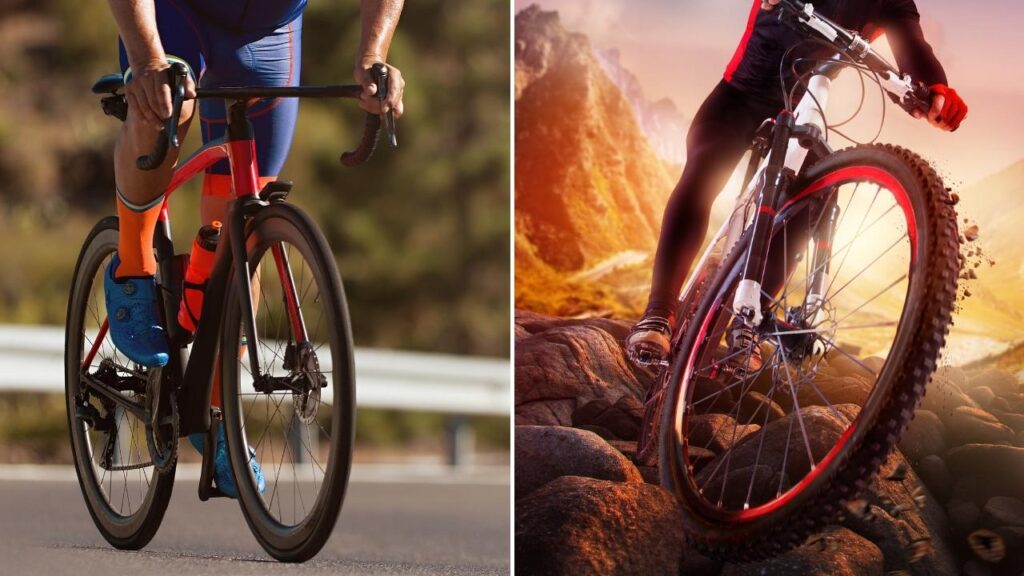
Imagine a wardrobe. Just as you have different outfits for various occasions, there are bikes designed for specific terrains and purposes.
Overview of Different Bike Categories
Road Bikes
Think sleek, fast, and lightweight. Road bikes are built for speed on smooth pavements. Picture yourself zipping through city streets with the wind in your hair. Sound good?
Mountain Bikes
Rugged and robust, mountain bikes are for the adventurers! They’re designed to handle rough terrains, rocky paths, and steep inclines. Ready to conquer those trails?
Hybrid Bikes
The best of both worlds! Hybrid bikes combine features from road and mountain bikes. They’re versatile, comfortable, and perfect for various terrains. A jack-of-all-trades, if you will.
Urban Hybrid Bikes
City dwellers, this one’s for you! Urban hybrids are designed for the daily grind of city life. They’re durable, comfortable, and often come with built-in racks or fenders. Perfect for commuting or a leisurely ride in the park.
Matching Bike Type to Your Intended Use
So, where do you see yourself riding? Whether it’s daily commutes, weekend adventures, or competitive racing, there’s a bike out there tailored for your needs. It’s all about finding the right fit for your lifestyle.
Read Also:

Bike Size and Fit
Getting the right bike size and fit is important. It’s not just a matter of comfort. Having the right bike size will help in preventing injuries, and can result in a better cycling experience. A few issues that may arise from incorrect bike-sizing are wrist pain, back pain, and fatigue.
When buying a bike, check the standover height. Standover-height refers to the top tube’s distance from the ground. It’s important to know a bike’s standover height because it’ll make riding safer, and help avoid accidents like sliding forward. You will also have a comfortable ride if you have the perfect bike frame for your size.
Effective Top Tube (EET) Length is also another essential thing to account for when getting the right bike size. It’s the horizontal distance from the center of the head tube to the center of the seat tube. Getting a bike with a perfect ETT for your body size will help you fine-tune your bike for a custom fit.
Read also: How to measure inseam for bike
Test Ride!

You already know how much you are willing to spend and what type of bike you’re going to buy. Now, it’s time to test the bike! Go for a short test ride to find out more, before purchasing it. Do at least 2 test rides to test its level of comfort and durability.
That’s almost everything you need to know about buying your new bike. It’s time to make a decision! Which type of bike are you planning to buy?

Common Mistakes to Avoid
Hey, we all make mistakes, but when it comes to bikes, some can be costly. Let’s make sure you’re set up for success from the get-go.
Overlooking the Importance of Fit
Fit is king! A bike that doesn’t fit right can lead to discomfort or even injuries. Always test ride and ensure the bike feels like an extension of you. Comfort is key!
Getting Swayed by Brand Names Alone
Big brands have big reputations, but don’t get too star-struck. Sometimes, lesser-known brands offer gems that are perfect for your needs. It’s the ride quality and fit that matter most, not just the logo.
Not Considering Future Maintenance Costs
Bikes, like all things, need some TLC. Regular maintenance ensures a smooth ride and prolongs your bike’s life. So, when budgeting, remember to factor in potential upkeep costs. It’s an investment in your cycling future!

Key Statistics and Research Findings on Buying a New Bike
- Global Market Trends: The global bicycle market was valued at $20.28 billion in 2019 and is projected to reach $28.67 billion by 2027, growing at a 4.8% CAGR (2021–2027) thanks to rising fitness and sustainable-transport adoption.
- E-Bike Surge: While non-electric bikes dominate by cost and simplicity, e-bike demand is climbing fast as riders seek extra range and ease.
- Consumer Influencers: Income level and gender are significant predictors of purchase behavior—7 out of 10 factors in one study showed strong correlation with buying decisions.
- UK Insights: After a dip from a 2020 high of 3.3 million units, UK new-bike sales dropped 11% in 2023 to 1.9 million but are forecast to rebound 12% to 2.1 million in 2024, pushing sales value up 15% to nearly £1 billion. E-bikes lead purchase plans for 19% of UK buyers.
- Demographics: Over 40% of women under 45 and 34% aged 45–64 in the UK express cycling interest; half of cyclists now consider second-hand purchases more than last year.
- Challenges & Opportunities: Supply-chain strains and tech integration remain hurdles, but rising living costs and green transport demand continue to push cycling adoption.
Conclusion on Buying a New Bike
Buying a new bike doesn’t have to be daunting—by buying a new bike with clear goals, the right fit, a realistic budget, and solid research, you’ll be on the road (or trail) confidently and comfortably. Happy riding!