Best Cheap Bike Computers in 2026
- Best Overall: Garmin Edge 530 Wireless
- Best Alternative: CatEye Padrone Cycle Wireless
- Best Value for Money: SIGMA Sport ROX 11.1 EVO
- Best for Beginners: CatEye Velo 9 Wired
- Best for Recreational Riders: CatEye Urban Wireless
- Best for Endurance Riding: Bryton Rider 420 Wireless
- Best for Off-Road Riding: iGPSport GPS Wireless
If you’re searching for the best budget bike computer, the real challenge is not finding one. It is finding one that gives you the ride data you need without making you pay for features you may never use.
Some riders only need speed, distance, and ride time. Others want GPS, navigation, app sync, or sensor pairing. That one choice changes what “budget” means.
If you’re searching for the best budget bike computer to track speed, distance, and navigation without breaking the bank, this guide could help you find the right match.
Bike computers are units that calculate and display trip information about your bike.
Need a Few Practical Extras for Your Next Ride?
Browse cycling-related clothing and simple bike accessories that may help with comfort, visibility, storage, or everyday riding.
Paid links. As an Amazon Associate we earn from qualifying purchases.
This device allows for real-time display of data to help you track your performance. Stats may include speed, cadence, or turn-by-turn navigation of your route.
They are available in a wide range of choices, from traditional wired to wireless GPS units.
Whatever you prefer, we are here to explore every possible feature with you to help you narrow them down.
Related article: Best apps for cyclists

14,353
Customer Reviews

14
Testing Hours

7
Tested Products

13
Sources Researched
- Best Cheap Bike Computers in 2026
- At a Glance: Best Budget Bike Computers
- Best Under $X Table
- How We Chose These Bike Computers
- 7 Best Cheap Bike Computers in 2026
- GPS vs. Sensor-Based Computer
- What Matters for Commuters
- What to Look for When Buying Bike Computers?
- Frequently Asked Questions
- Conclusion on the Best Budget Bike Computer
At a Glance: Best Budget Bike Computers
| Model | Type | Best for | GPS | Best if you want | Watch out for |
|---|---|---|---|---|---|
| Garmin Edge 530 Wireless | GPS bike computer | Riders who want training + navigation | Yes | Deep features, mapping, safety tools | Not a true low-cost basic unit |
| CatEye Padrone Cycle Wireless | Basic wireless computer | Simple daily riding | No | Large display and easy readouts | No GPS or route guidance |
| SIGMA Sport ROX 11.1 EVO | GPS bike computer | Riders who want training value | Yes | Many features, profiles, crash alert | More complex than a basic computer |
| CatEye Velo 9 Wired | Wired basic computer | Beginners | No | Low price, long battery life, simple setup | Wires |
| CatEye Urban Wireless | Basic wireless computer | Commuters and casual riders | No | Clean setup, simple stats | Check exact model if you want backlight |
| Bryton Rider 420 Wireless | GPS bike computer | Long rides and navigation on a budget | Yes | Long battery life, turn-by-turn help | More features than some casual riders need |
| iGPSport GPS Wireless | GPS bike computer | Riders who want affordable GPS | Yes | GPS, large screen, sensor support | Less simple than a basic speed-and-distance unit |
Best Under $X Table
| Budget cap | Best pick | Why it stands out |
|---|---|---|
| Under $30 | CatEye Velo 9 Wired | Cheapest true starter option with the core ride stats most beginners need |
| Under $40 | CatEye Urban Wireless | A cleaner, wire-free option for simple everyday riding |
| Under $70 | iGPSport GPS Wireless | A stronger step up if you want GPS without jumping to premium pricing |
| Under $200 | SIGMA Sport ROX 11.1 EVO | Better if you want training and navigation features at a lower price than many premium models |
How We Chose These Bike Computers
I kept the original product list, then tightened the buying logic around what readers actually care about:
- price fit
- basic vs GPS use
- ease of setup
- screen readability
- battery life
- sensor/app compatibility
- how well each unit matches commuters, beginners, and longer-distance riders
That matters because “best budget bike computer” is not one single product. A commuter, a beginner, and a weekend adventure rider often need different things.
7 Best Cheap Bike Computers in 2026
Garmin Edge 530 Wireless
Best Overall: High-performance unit for all your cycling preferences
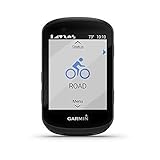
- Wireless GPS cycling computer with mapping
- ANT+, Bluetooth
- Monitors VO2 max, recovery, heat and altitude acclimation, nutrition, hydration, etc
- Includes safety features like bike alarm, group messaging and tracking, and a backlight
- Can be synced with other devices so data uploads to your smartphone
The Garmin Edge 530 is a quality performance bike comp developed by GPS experts. It has a highly-coveted routing/navigation system that automatically calculates routes and shortcuts. It maintains a complete onboard turn-by-turn map database for your location and terrain.
The Edge 530 also comes with excellent safety features to keep you and your bike safe. It has a bike alarm that goes off when your bike is moved. This is especially useful during stops at a cafe or bathroom breaks. It also features group messaging and tracking to keep you in contact with your riding pals.
The Edge 530 can pair with compatible Varia radar and lights. That is useful if you already want those add-ons, but the computer itself is not a light or radar.
This unit’s ‘Find my Edge’ feature logs your exact GPS location on your phone if bike comp disconnects.
The Garmin Edge 530 has customizable settings for different types of riding. You can change data pages and metrics if you want another activity profile for your MTB. It also has tons of MTB features to make mountain bikers happy. It shows how much distance/elevation remains for each climb on your trail.
Other MTB metrics show grit, flow, and jump details. The added ForkSight feature also offers mountain bike trail options when you pause at a fork in the trail.
This bike computer is also suitable for performance training. It keeps track of factors like heat/altitude acclimation and hydration as your ride.
This is the most feature-rich pick in this guide. I would choose it only if you want mapping, training data, and room to grow. If you only want speed, distance, and ride time, it may be more computer than you need. It makes the most sense as a budget buy when you find it at the right sale price.
CatEye Padrone Cycle Wireless
Best Alternative: A basic bike computer with a pop of color

- Wireless sensor-based bike computer
- Display includes speed, trip, total distance, elapsed time, clock, etc
- Available in five color choices
- Approx. 1-year computer battery life under typical use
The CatEye Padrone is a product developed from customer feedback and requests. Cat Eye responded to the call with a large display bike computer that is easy to read at a glance.
It is an upgraded bike computer but still as reliable as all the products developed by Cat Eye. It is weatherproof and has basic toggle buttons. It is also lighter and more convenient to use at the same affordable price.
If you want a simple wireless computer with a large screen, the Padrone is still one of the cleaner choices. It is a better fit for riders who care more about quick ride stats than GPS, maps, or training extras.
SIGMA Sport ROX 11.1 EVO
Best Value for Money: Versatile training with crash alerts

- Wireless bike computer
- 150+ functions: displays speed, distance, trip time, calorie burned, and a clock
- Multi-satellite tracking
- Personal profiles & custom views
The SIGMA Sport ROX 11.1 EVO feels like a cockpit you design yourself. You can set up separate profiles for road rides and trainer sessions—each with its own color-coded data fields—so only you can see exactly what matters at a glance. The integrated crash alert gives peace of mind during gravel descents, automatically pinging emergency contacts when you take an unexpected tumble.
Navigating new routes is straightforward: the device pulls Komoot turn prompts directly to the screen, and pairing to your phone meant you never miss a text or call mid-ride. On group rides, fellow cyclists would appreciate watching real-time data through the SIGMA RIDE app’s live view.
If you ride an e-bike, the ROX 11.1 EVO shows assist level and battery right alongside your speed—handy when you don’t want to guess how much juice is left. And despite all these features, the unit remains compact and simple to mount.
This is a strong value pick for riders who want GPS, training features, and app support without jumping straight to the highest-priced models. I would not treat it as a “basic” budget computer, though. It is closer to a value-performance option than a true entry-level pick.
CatEye Velo 9 Wired
Best for Beginners: An affordable and quality pick for entry-level enthusiasts

- Wired speed sensor
- Stops automatic counting time and averaging speed when you rest or stop
- Tracks speed, distance, time, calories burned, and carbon offset
- Battery life lasts up to three years
The CatEye Velo 9 is a wired bike computer that calculates ride data through sensors and receivers. The receiver is attachable to your fork, and the sensor to the wheel spoke with the help of tools that come with the box.
The CatEye Velo is being marketed as an entry-level unit. It has a simplified toggling operation through the use of a single button. It also has a lightweight, neat, and compact design that does not take up too much space on your handlebar.
The display includes auto Start/Stop, pre-programmed tire sizes, and an odometer. Tracking features include speed, total distance, trip distance, elapsed time. It also has a pace arrow that shows if your current riding speed is higher or lower than your average speed.
The battery is Lithium, so it can last up to 3 years. It is also weatherproof, so you can ride your bike no matter the condition!
If your goal is to spend as little as possible and still get reliable core data, this is one of the clearest true budget picks in the guide. The trade-off is simple: you save money, but you deal with wires and miss out on GPS.
CatEye Urban Wireless
Best for Recreational Riders: Practical bike computer with all the info you need

- Wireless sensor-based bike computer
- Displays speed, distance, elapsed time, calorie burned, pace arrow, and a clock
- Has a backlit display for night riding
- Battery life lasts a year
Like the Cat Eye Velo 9, the Urban+ is an easy-to-use and straightforward bike computer, minus the wires. It uses a single button to toggle between the nine displays for easy operation. The data on the screen is also large enough to read without having to squint.
The Cat Eye Urban+ features a backlight display which is nice if you enjoy riding after sundown.
This is a cheap but good basic bike computer, especially for recreational riders. It is easy to install and use. It provides basic information which a rider needs without being too complicated. It also has an automatic start/stop function that syncs with the bike and is easy to reset for the next ride.
For many commuters, this is a sweet spot. It avoids wires, keeps the screen simple, and does not make you pay for navigation features you may not use on a fixed daily route.
Bryton Rider 420 Wireless
Best for Endurance Riding: Rechargeable 35-hour battery GPS computer

- Wireless GPS bike computer
- ANT+, Bluetooth
- 80+ data functions & ESS display
- Indoor Trainer & TrainingPeaks sync
- Group ride & live tracking
The Bryton Rider 420 strikes a compelling balance between endurance capability and smart-training features. At just 67 g with a crisp 2.3″ display, it remains unobtrusive on your handlebars while offering an impressive 35 hours of runtime—ideal if you “couldn’t stop” even after a long day in the saddle.
Navigation feels intuitive thanks to turn-by-turn directions and POI alerts, so you can explore unfamiliar routes without fumbling for a phone. You’ll find the five-satellite tracking delivers solid accuracy, even under tree cover. For tech-minded riders, the ESS support and power-meter integration provide data that could sharpen your shifting and pacing strategies.
Safety gets a boost, too: pair the unit with an ANT+ radar sensor, and you’ll receive three levels of rear-vehicle alerts—handy for busy urban commutes or winding backroads. And when winter drives you indoors, the Rider 420’s trainer compatibility and TrainingPeaks sync mean you don’t lose momentum in your training plan.
If you want budget GPS for longer rides, this is one of the better fits in the list. It gives you route help and long battery life without forcing you into a top-tier price band.
iGPSport BSC200S GPS Wireless
Best for Off-Road Riding: Accurate GPS tracking and long battery life

- High sensitivity wireless GPS bike computer
- ANT+, Bluetooth
- 100+ riding metrics
- Continue last ride function
- 2.4-inch semi-reflective color screen

The iGPSPORT BSC200S delivers a compelling package for riders who prioritize flexible route planning and clear on-the-fly data. You’ll find the one-touch navigation feature especially handy when exploring new trails—importing a Komoot route and sending it to the device takes just seconds. The 2.4″ semi-reflective screen stays legible even under midday sun, so you’ll never have to slow down to squint at your stats.
Battery life impresses, too: after 20 hours on the road, you’ll still have juice left for a short evening commute. Pairing with your ANT+ radar light and front lamp via Bluetooth transforms the BSC200S into a safety hub—alerts for vehicles behind and light-level monitoring will keep you focused on the ride, not the dashboard.
This is one of the more appealing “budget GPS” options in the guide. I would look at it first if I wanted more than a basic commuter unit but did not want to jump to premium-brand pricing.

GPS vs. Sensor-Based Computer
We asked some cyclists to know what they think about GPS vs. sensor-based comps. The results were more or less unanimous. Some noticed inconsistencies in speed and distance but are small enough to be an issue.
Here is the simpler way to think about it:
Choose a GPS bike computer if you:
ride new routes
want navigation
like syncing data to apps
may add heart-rate, cadence, or power sensors later
Choose a basic sensor-based computer if you:
ride the same routes often
only want speed, time, and distance
care more about low price and simple setup
prefer coin-battery life over charging
GPS is the preferred computer for many because of its convenience. This is especially true for road cyclists. There’s no need to program wires, sensors, and wheel sizes. You clip it on and go. The connectivity with other cycling apps is also a bonus point.
For some adventurous mountain bikers, sensors are the go-to options. It is not as convenient as the GPS, but it does a good job. The stats are more precise when making tight turns, hill climbing, or going down steep terrains. Reception loss won’t also pose a problem when riding in heavy woods or off-beaten trails.
In plain terms, GPS is easier. Basic sensor units are simpler and often cheaper. The better choice depends on how and where you ride.

What Matters for Commuters
If you use your bike to get to work, class, or errands, I would focus on these five things first:
- easy-to-read screen
- quick start and auto start/stop
- simple mount you can trust
- battery life that does not become a chore
- only the data you will really use while riding in traffic
For most commuters, a basic wireless computer is enough. GPS is worth paying for when your routes change often, you ride longer distances, or you want navigation without checking your phone.
What to Look for When Buying Bike Computers?
Budget bike computers are easier to shop for when you split them into two groups: basic computers and GPS computers. Basic units win on price and simplicity. GPS units win on navigation, syncing, and upgrade room.
Wired or Wireless
Wired bike computers are the tried and tested options. They have been around for a while, so manufacturers were able to develop them extensively. They have better functionality because of their reliable cables. They are also cheaper and have longer battery life compared to the wireless option.
The wireless comps are the newer technology on the market. They are portable, convenient, and easier to set up. They also offer convenient functions such as GPS connections, maps, and safety features. You could also sync them to apps on your smartphone or other devices if you want to save and review your data.
Popularity & Longevity: CatEye has offered reliable wired computers for decades, supported by thousands of user reviews.
GPS Feature
The newer versions of bike comps use satellites to track your location, hence the term GPS. This enables the computer to navigate your routes without having to spread your maps. It is more convenient and less fussy, so you can enjoy the ride.
Helpful rule: do not pay extra for GPS just because it sounds more advanced. Pay for it when you will actually use navigation, route import, or sensor pairing. If not, a basic unit can do the job just fine.
Battery Life
The traditional bike computers last longer than the wireless GPS and sensor-based units. The CatEye Velo 9 Wired bike computer, for example, can last up to 3 years. But, wireless units are chargeable and can last up to several hours before charging.
That trade-off is easy to remember: basic computers often win on battery life, while GPS computers win on features.
Display and Ease of Use
A budget computer is not a bargain if the screen is hard to read or the menus annoy you every ride. For commuters and casual riders, a big display and simple button layout often matter more than deep feature lists.
Sensor and App Compatibility
If you may add a heart-rate strap, cadence sensor, radar, or training app later, check Bluetooth and ANT+ support before buying. This matters most for GPS units. It matters far less for low-cost wired models.

Frequently Asked Questions
What is the best basic bike computer?
The best bike computer depends on what you are looking for. If you are looking for a performance unit with professional features, the Edge 530 would be your best bet. If budget is your priority, Sigma Sport 9.16 or Cat Eye Velo 9 will fit your preference.
Is a bike computer worth it?
For cyclists who go on occasional cruises or commute by bike and do not care about stats, for pros and enthusiasts who cycle for training and fitness, a bike computer is a worthy buy! It will help monitor your speed, distance, pace, and calorie burns for each ride to keep you on your toes. This will also provide data to show your progress and compare which area you need to improve on.
What is the best wireless cycle computer?
The best wireless cycle computer is the Garmin Edge 530. The specs and features of this unit are unbeatable when it comes to performance.
Do I need GPS or is a basic bike computer enough?
A basic computer is enough for many riders. Choose GPS when you want navigation, route tracking, app sync, or sensor expansion. Choose basic when you mostly want speed, time, and distance.
What is the best budget bike computer for commuting?
For many commuters, the CatEye Urban Wireless is the better fit because it stays simple and avoids wires. If your commute changes often or you want route help, the Bryton Rider 420 Wireless is a better step up.
What is the best budget bike computer for beginners?
The CatEye Velo 9 Wired is the easiest low-cost starting point here. It gives you the core ride numbers without a steep learning curve.
Conclusion on the Best Budget Bike Computer
Choosing the best bike comp from all the options on the market is time-consuming. It can be frustrating at times, but the task would be easier if you know what you want and how much you are willing to spend.
My quick take is simpler:
Choose the CatEye Velo 9 Wired if you want the lowest-cost basic option.
Choose the CatEye Urban Wireless if you want a cleaner commuter setup without wires.
Choose the Bryton Rider 420 Wireless or iGPSport GPS Wireless if you want budget GPS.
Choose the Garmin Edge 530 only if you know you want its extra training and navigation features and can get it at the right price.
Have a fun ride!