Key Takeaway: Every rider tackling technical and dusty trails can ensure zero chain drops and improved drivetrain reliability with the right mtb chain guide.
An mtb chain guide can be a game-changer for riders who want zero chain drops on technical trails and dusty commutes.
You’ve probably heard of chain guides unless you’re a brand-new mountain biker. You might even be using one right now. But, most people don’t know when to use a chain guide or if installing one will improve their ride.
In this post, we’ll cover the benefits and drawbacks of chain guides. We will also explain why you should (or shouldn’t) install one on your bike. Finally, we will help you determine whether a chain guide suits your bike and riding style.
Need a Few Practical Extras for Your Next Ride?
Browse cycling-related clothing and simple bike accessories that may help with comfort, visibility, storage, or everyday riding.
Paid links. As an Amazon Associate we earn from qualifying purchases.

What Is a Chain Guide?
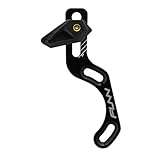
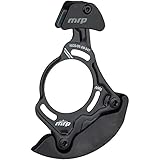
A chain guide is a device that prevents the chain from jumping off the chainring. Many full-suspension mountain bikes have already come pre-installed. Hardtail mountain bikes also sometimes have built-in.
There are two types: front derailleur style and direct mount style (direct-to-cassette). The former uses clamps around the seat tube. The latter attaches to the hub or cassette body (depending on what type of hub/wheel you have).
Both of these are easy to install! No required professional knowledge! They usually only need essential tools like 15mm wrenches or socket sets.


When Should You Use One?
Chain guides are an essential part of any bike’s drivetrain system. They prevent the chain from falling off, which can cause severe damage to both the frame and wheel. They also protect the derailleur from damage caused by abrasion.
Chain guides also help if you ride in dry or dusty conditions. It also applies to you if you use clipless pedals that can’t be adjusted when they’re dirty.
If you have a long-travel suspension fork, they could also be helpful. Long travel suspension forks are heavier than shorter forks. Thus, it’s more likely to cause the rear wheel to lift off the ground under braking forces. This could increase the chances of dropping your chain while descending technical sections of the trail.
Round or Oval Chainrings?
If you’re planning to use your new chain guide for downhill or freeride, choose a round chainring. A round chainring fits into the circular shape of a guide. This help cut friction when pedaling.
Round oval rings are also suitable for riding in wet conditions. These types of rings are usually teardrop shaped. They also have rounded edges that direct water over the sides of the ring instead of into it.
What Kind of Chain Guides Are There?
There are two types of chain guides: bottom and top. The bottom guide is the most common and found on most mountain bikes. But, the top guide is becoming more popular because of its durability.
The cost of a chain guide depends on what type you choose. Bottom guides tend to be cheaper than top guides. That means they are less expensive to manufacture.
Top, Bottom, or Both?
The choice between the two can be confusing, but it boils down to your frame design and suspension fork. The top guide is suitable for frames with suspension forks. It mounts above them, creating an even more stable mount for the guide.
The bottom guide is best suited for frames without suspension forks because it mounts below them. But, you may also use both top and bottom guides on your bike (as long as they fit inside your seat tube).
Regardless of which type(s) you go with, here’s why mounting one or both will add some peace of mind:
- Your chain won’t fall off mid-ride. It can’t get jammed up due to poor alignment or rotted grease, making everything smooth.

The Pros and Cons of a Chain Guide
Pros
- Chain guides are a good idea. They will help keep your bike in good working order. And it will prevent you from having to do costly repairs or replacements.
- Chain guides can reduce the chances of messy crashes. You risk ruining your chain with every ride if you don’t have them. That means you’ll need more frequent maintenance.
Cons
- They add complexity: installation and periodic adjustments require more time and tools.
- Compatibility issues: not every frame or drivetrain works seamlessly with every guide.

Do You Need a Guide on Your Mountain Bike?
If you ride in wet conditions, a chain guide can help you avoid getting it stuck in the dirt. Your bike will be more reliable if it doesn’t have to spend time cleaning its chain every time you finish riding.
Chain guides prevent dirt from getting onto your gears. That means fewer trips back to the bike shop for repairs. Best of all: no more sitting around waiting for them to fix your bikes while they try not to give away their fun!
- A guide isn’t an essential mountain bike accessory, but it can be helpful if you need it.
- A chain guide isn’t an essential mountain bike accessory, but it can be helpful if you need it.
- Not all riders need one.
- If you’re getting into mountain biking, a guide isn’t likely to help you much. Chain rings are tough and strong enough to withstand most riding conditions.
- Not all bikes need them, either.

How to Install a Chain Guide on Your Mountain Bike
- Put on your gloves and safety glasses.
- Using a hacksaw, I saw off the extra material on the chain guide’s baseplate.
- Put your bike in its stand to see what you’re working on.
- Bolt the chain guide to your bike’s frame with two bolts, one at each end of the frame. You’ll need to steady one side of the bolt with a wrench. Then, turn it into place with another wrench (or vice versa). You can use an Allen key or screwdriver to tighten it down.
Chain Guide Fitment
Fitment is the most important thing to consider when mounting a chain guide. Fitment refers to how well your chain guide will fit with your bike and drivetrain. Every mountain bike is different. So, it’s essential to know where you want to mount a chain guide before purchasing one.
Each chainring size has unique spacing between the outermost teeth on each side. This means that a 34T ring won’t fit in the same spot as a 36T ring, for example—even if they have the same number of teeth!
If you’re using two different sizes on one crankset, ensure they have the correct spaces. Then mount them together with your new guide!

Statistical Insights on MTB Chain Guide Performance
- MTB chain guides are designed to keep the chain securely on the chainring during rough terrain riding, minimizing chain drops and improving drivetrain reliability.
- While chain guides improve retention and reduce mechanical failures, they introduce increased setup complexity—installation, periodic adjustments, and maintenance add extra steps for riders who prefer minimalist setups.
- Bicycle chains rarely reach the ~98% efficiency of industrial chains due to dirt, variable loads, and suboptimal lubrication. A 3% efficiency gain can translate to a 1% increase in distance over time or significant energy savings in long races.
- In a 220 km stage race (~5.5 hours), a 3% chain efficiency advantage could save ~1,460 kJ of energy, potentially making the difference in final sprints or breakaways.
- Tribological performance (friction, wear, lubrication) critically impacts power transmission. Advances in chain materials and design help—but the harsh MTB environment makes chain guides essential for optimal function.
Conclusion: MTB Chain Guide
A properly chosen and installed mtb chain guide can transform your ride, keeping your drivetrain reliable and saving you energy on every pedal stroke. Whether you tackle muddy commutes or technical descents, a chain guide is a small investment with big benefits.