Key Takeaways
- Dirt bike vs mountain bike: Choose based on power needs, maintenance commitment, and environmental impact.
- Dirt bikes offer high speed and power but cause more trail erosion and carry higher injury risks.
- Mountain bikes deliver vigorous exercise, lower maintenance, and gentler trail impact.
- Electric MTBs bridge the gap: lower exertion with still significant cardiovascular benefits.
- Consider your budget: dirt bikes cost $6,500–$12,000 vs. mountain bikes at $400–$5,000.
Dirt bike vs mountain bike is a common question for riders balancing thrill, fitness, and sustainability.
If you’re someone who loves spending time outdoors riding on two wheels, then you might be wondering what the difference is between a dirt bike and a mountain bike. Both of these types of bikes have their pros and cons, but which one is right for you?
Here’s a closer look at the differences between dirt bikes and mountain bikes to help you decide.
Need a Few Practical Extras for Your Next Ride?
Browse cycling-related clothing and simple bike accessories that may help with comfort, visibility, storage, or everyday riding.
Paid links. As an Amazon Associate we earn from qualifying purchases.

What is a dirt bike?

A dirt bike is a type of motorcycle that’s designed for off-road riding. Dirt bikes are lightweight and have shorter wheelbases than other types of motorcycles. They also have large tires with deep treads to help them grip the ground and handle well on different types of terrain, including mud, sand, dirt, and gravel.
Dirt bikes typically have two-stroke or four-stroke engines. Two-stroke engines are smaller and lighter, requiring more frequent maintenance than four-stroke engines. Four-stroke engines are more powerful and durable, but they’re also heavier.
Some popular dirt bikes are brands like Honda, Yamaha, Suzuki, and Kawasaki.
What is a mountain bike?

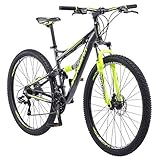
A mountain bike is a type of bicycle designed for off-road riding. Mountain bikes are usually heavier than other types of bicycles because they need to withstand more wear and tear. They also have wider tires with deeper treads to help them grip the ground and handle well on different types of terrain, including mud, sand, dirt, and gravel.
Mountain bikes typically have either 26-inch or 29-inch wheels. 26-inch wheels are smaller and lighter, but they can’t roll over obstacles as easily as 29-inch wheels. 29-inch wheels are more powerful and can roll over obstacles more easily, but they’re also heavier.
Also, a mountain bike is good training for dirt biking.
Read also:



What’s the difference between a dirt bike and a mountain bike?
The main difference between dirt bikes and mountain bikes is their intended use.
Weight
Dirt bikes are way heavier than mountain bikes. They weigh around 200-275 lbs (90-125 kg). In contrast, mountain bikes weigh around 20-35 lbs (9-16 kg).
Engine
Dirt bikes have either a two-stroke or four-stroke engine. Mountain bikes don’t have an engine.
Price
Dirt bikes are more expensive than mountain bikes. They cost around $6,500-$12,000. Mountain bikes cost around $400-$5,000.
Body Shift
When shifting your body weight on a mountain bike, it has more impact because the bike is lighter. The dirt bike’s weight makes body shifting less effective.
Propulsion
Mountain biking requires more effort because the cyclist cannot keep a static foot position while pedaling, so he has to move his legs around to help propel himself along.
On the other hand, Dirt biking allows the rider to keep a static foot position while pedaling. This makes dirt biking much easier and requires less effort.
Maintenance
Mountain bikes require less maintenance than dirt bikes. You’ll need to clean and lube your mountain bike often. Dirt bikes need oil changes more frequently than mountain bikes as well. They also require more frequent cleaning and servicing, and you’ll need to replace the tires more often.
Mountain bikes also need their drivetrain adjusted frequently, which is not the case with dirt bikes.
| Feature | Dirt Bike | Mountain Bike |
|---|---|---|
| Weight | 200–275 lbs (90–125 kg) | 20–35 lbs (9–16 kg) |
| Engine | Two-stroke or four-stroke motor | Pedal-powered (no engine) |
| Price | $6,500–$12,000 | $400–$5,000 |
| Body Shift & Propulsion | Static foot position; throttle controls power | Dynamic weight shifts; constant pedaling effort |
| Maintenance | Frequent oil changes, servicing, tire replacements | Regular cleaning, chain lube, drivetrain adjustments |
Trail Suitability & Riding Conditions
Choosing between a dirt bike and a mountain bike often hinges on the trails you ride and prevailing conditions. Below is a quick overview of where each shines:
| Trail Type | Dirt Bike | Mountain Bike |
|---|---|---|
| Open Motocross Loops | Ideal – wide, smooth loops maximize throttle control | Possible but less thrilling; limited speed potential |
| Technical Singletrack | Challenging – bulky bikes struggle on tight, twisty lines | Perfect – nimble handling and precise weight shifts excel |
| Rock Gardens | Risky – high risk of bottoming out or crash | Manageable – suspension travel and rider skill mitigate impact |
| Mud & Loose Gravel | Good traction with knobby tires, but higher erosion risk | Good grip with wider tires; lower environmental impact |
| Wet or Slippery Conditions | Requires advanced skill; higher slip risk | Safer – precise pedal control and lower speeds reduce falls |

Fitness & Health Benefits
Whether you’re chasing thrills or heart-rate goals, both bikes deliver unique exercise profiles:
- Mountain Bike
- Vigorous cardiovascular workout: average heart rate ≈155 bpm per Bopp et al. (2019)
- Engages core, legs, and stabilizer muscles through constant pedaling and balance
- Burns approximately 500–700 calories per hour depending on terrain and intensity
- Dirt Bike
- Full-body engagement: arms and core work to control weight shifts and absorb shocks
- Lower sustained heart rate than MTB but still demands strength and endurance
- Burns around 300–500 calories per hour, varying with throttle usage and ride style
Safety Gear & Risk Mitigation
High speeds and varied terrain call for the right protective equipment and pre-ride rituals:
- Essential Gear
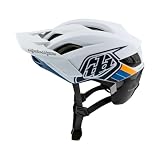
- Helmet (DOT-approved for dirt bikes; ASTM-certified for mountain bikes)
- Gloves with reinforced palms
- Knee pads and elbow pads (CE-rated for MTB; motocross-specific armor for dirt bikes)
- Sturdy boots: motocross boots for dirt bikes; flat or clip-in cycling shoes for MTBs
- Pre-Ride Inspection Checklist
- Tire Pressure & Tread – Ensure correct PSI and no deep cuts
- Brakes & Levers – Test for firm engagement and no leaks
- Suspension Sag & Damping – Verify proper settings for rider weight
- Chain/Drive System – Clean, lubricate, and check tension
- Throttle/Clutch Smoothness (dirt bike) – Confirm free rotation and return



Research & Statistics: Dirt Bike vs Mountain Bike Comparison
Here’s a data-driven look at the key trade-offs:
| Aspect | Dirt Bike (Motocross) | Mountain Bike (MTB) | Electric MTB (eMTB) |
|---|---|---|---|
| Environmental Impact | High soil displacement and erosion (1) | Lower trail impact | Similar to traditional MTB |
| Physical Exertion | Motor-powered (effort varies) | Vigorous exercise (avg HR ~155 bpm) | Vigorous exercise with lower HR (~145 bpm) |
| Injury Risk | High; serious injuries (fractures, head/chest trauma) rose 240 % overall and 500 % for spine injuries (1997–2006) | Generally lower severity due to slower speeds | Similar to MTB risk profile |
| Cost & Engineering | More materials, complex components, higher manufacturing cost | High-end MTBs often pricey yet simpler engineering | Similar to MTB plus motor components |
| Trail Performance | Best on smooth, straight routes (speed advantage) | Versatile on technical, twisty trails | Faster on trails, excels on tech terrain |
Conclusion: Dirt Bike Vs Mountain Bike
If you want a more powerful bike and easier to ride, then a dirt bike is the way to go. If you’re looking for a bike that’s more lightweight and requires less maintenance, then a mountain bike is the better choice. You can also start with a mountain bike and then upgrade to a dirt bike when you’re ready.
References
- International Mountain Bicycling Association. (2016). A comparison of environmental impacts from mountain bicycles, electric mountain bicycles, and motorcycles. American Trails.
- Singh, R., Theobald, P., Hamad, A. K., & Hay, S. (2015). Motocross biking for competition and for recreation: a prospective analysis of 423 injured riders. BMJ open sport & exercise medicine, 1(1), e000019.