Key Takeaways
- A proper road cycling setup boosts comfort, speed, and safety.
- Frame material and size affect ride feel and control.
- Fit details—saddle height, handlebar reach, cleat alignment—prevent injury and improve power.
- Wheel and tire choices impact comfort, grip, and rolling speed.
- Reliable drivetrain and brakes keep shifting smooth and stopping safe.
- Simple accessories and regular maintenance stop small problems from becoming big ones.
A good road cycling setup makes every ride fun and safe. Whether you’re riding to work or exploring new trails—having the right bike and fit helps you ride longer and feel stronger.
In this guide, you’ll learn how to pick a bike frame, adjust your fit, choose wheels and tires, select parts, add must-have accessories, and keep your bike in top shape.
Let’s get started!
Need a Few Practical Extras for Your Next Ride?
Browse cycling-related clothing and simple bike accessories that may help with comfort, visibility, storage, or everyday riding.
Paid links. As an Amazon Associate we earn from qualifying purchases.

Choosing the Right Frame and Size
A bike’s frame is its bones. It holds everything together and affects how you ride.
- Frame Material
- Aluminum feels snappy and quick.
- Carbon Fiber is light and smooths out bumps.
- Steel is strong and gives a comfy ride.
- Frame Size
- Stack & Reach measure height and length for comfort.
- Standover Height needs 1–2 inches of space so you can safely stand over the top tube.
- Test-ride two sizes to feel the difference.
Why It Matters: A frame that fits you well makes pedaling easier, keeps you in control, and cuts down aches.
Related articles:
- Best Aluminum Road Bike (Buying Guide & Reviews)
- Best Road Bikes Under $1000
- 10 Best Road Bikes Under $500 [Top Picks]
- Best Road Bikes Under $2000

Perfecting Your Fit
A perfect fit helps your body and bike work together.
- Saddle Height: With your heel on the pedal at its lowest, your leg should be straight.
- Saddle Fore/Aft: When pedals are forward, your knee aligns over the pedal axle.
- Handlebar Reach & Drop: You should reach the bars without hunching; adjust stem length for comfort.
- Cleat Alignment: Center the ball of your foot on the pedal axle; small toe-in or toe-out can protect knees.
Why It Matters: Proper fit boosts power, stops knee pain, and keeps you riding longer.
Related articles:

Wheel & Tire Selection
Wheels and tires are where your bike meets the road.
- Wheel Types
- Deep Rims cut wind but feel heavier uphill.
- Shallow Rims are lighter for climbing and handle side winds better.
- Tire Width & Pressure
- Wider (25–28 mm) tires add cushion and grip.
- Lower pressure (80–100 psi) smooths bumps; higher pressure rolls faster on smooth roads.
- Tread & Compound
- Puncture-resistant layers help prevent flats.
- Soft rubber grips better in wet weather.
Why It Matters: The right wheels and tires improve comfort, traction, and help avoid flats.



Drivetrain & Braking Components

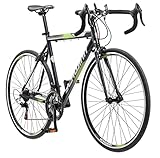
Your drivetrain (gears) and brakes keep you moving and safe.
- Groupset Levels
- Entry (e.g., Shimano 105) is reliable and wallet-friendly.
- Mid (e.g., Ultegra) is lighter with crisper shifts.
- Brake Types
- Rim Brakes are light and easy to fix.
- Disc Brakes stop better in rain and give more control.
Why It Matters: Smooth shifting and strong brakes make every ride more enjoyable and secure.
Read also: 7 Best Road Bike Upgrades

Essential Accessories
Your core accessories keep you safe, comfortable, and ready for anything.
- Helmet
A certified road-cycling helmet protects your head in a crash. Look for one that fits snugly, has good ventilation, and meets safety standards (e.g., CPSC or CE). Always replace it after any impact. - Gloves
Padded cycling gloves cushion your palms, absorb road vibration, and protect your hands in case of a fall. Fingerless styles offer better airflow; full-finger gloves add warmth in cooler weather. - Eyewear
Shatterproof cycling glasses shield your eyes from wind, debris, and UV rays. Choose lenses that change tint in different light conditions for dawn, dusk, or bright sun. - Clipless Pedals & Shoes
These let you pull up as well as push down, increasing power efficiency. Make sure your shoes have good ventilation and a stiff sole for the best energy transfer. - Bike Computer / GPS
A handlebar-mounted computer tracks speed, distance, cadence, and route. Many models sync with your phone so you can upload rides and analyze performance later. - Lights & Reflective Gear
Front and rear lights are essential if you ride at dawn, dusk, or in tunnels. Reflective vests or ankle bands catch drivers’ attention and boost your visibility from all angles. - Hydration & Nutrition
- Bottle Cages & Bottles: Carry at least two water bottles or a mix of water and electrolyte drink.
- Saddle Bag: Store energy bars, gels, or chews so you can refuel on the go.
- Mini-Pump or CO₂ Inflator
A compact pump or CO₂ kit helps you fix flats quickly. Choose one that mounts under your bottle cage or fits inside your saddle bag. - Spare Tube & Multi-Tool
A folded spare tube plus a multi-tool (with Allen keys, screwdrivers, and chain tool) handles most roadside repairs. Add tire levers and patches for extra peace of mind. - U-Lock or Cable Lock
When you stop for coffee or errands, a sturdy lock secures your bike. A lightweight U-lock or braided cable is a small weight for big security. - Cycling Jersey & Bib Shorts
Breathable, moisture-wicking jerseys and padded bib shorts keep you cool and chafe-free on longer rides. Look for pockets on the jersey back to stash snacks or your phone.

Maintenance Routine
Regular care keeps your bike ready to ride.
- Daily Checks: Pump tires, test brakes, wipe off dirt.
- Weekly Tasks: Clean and lube the chain; inspect gears and cables.
- Monthly Service: True wheels, replace worn brake pads, check bolts and bearings, and give a full wash.
Why It Matters: Simple upkeep prevents bigger, costlier repairs.



Research Insights
- Health Benefits: Cycling is a low-impact exercise that strengthens the heart, muscles, and bones. It lowers blood fat and boosts mood.
- Popularity: Over 51 million Americans ride bikes each year, making cycling the 3rd most popular U.S. outdoor activity.
- Safety Stats: Helmet use cuts head-injury risk by up to 85%, yet more than half of cycling deaths involve no helmet.
- Injury Risk: Mountain biking averages 43 injuries per 1,000 hours downhill riding—so technical trails need extra caution.
Conclusion on Road Cycling Setup
A solid road cycling setup means choosing the right frame, dialing in your fit, picking wheels and tires wisely, selecting reliable parts, adding key accessories, and sticking to easy maintenance. Follow this guide, and each ride will feel better, faster, and more fun. Enjoy your next adventure on two wheels!