Key Takeaways:
- Road bikes deliver speed and efficiency on paved roads but require a more aerodynamic riding position.
- Hybrid bikes offer a comfortable, upright posture and handle varied surfaces with ease.
- Pick based on your main use, body fit, and the terrain you ride most.
Road vs hybrid bike: Choosing between a road bike and a hybrid bike can be tricky. Both styles bring unique strengths. Understanding those differences helps you find the perfect match for your riding goals.
Whether you’re commuting to work, exploring local trails, or aiming for faster lap times, this guide breaks down each bike type step by step. By the end, you’ll know which bike fits your lifestyle and riding needs.

What Is a Road Bike?

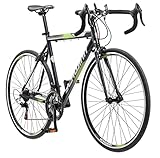
A road bike focuses on speed and efficiency. You’ll see slim tires, lightweight frames, and drop handlebars that let you lean forward.
Need a Few Practical Extras for Your Next Ride?
Browse cycling-related clothing and simple bike accessories that may help with comfort, visibility, storage, or everyday riding.
Paid links. As an Amazon Associate we earn from qualifying purchases.
Riders love road bikes for covering long distances fast. The narrow tires roll smoothly on asphalt, while the frame’s geometry positions you for an aerodynamic posture.
This riding position helps you slice through wind resistance. If quick pace and endurance rides appeal to you, a road bike is hard to beat.


What Is a Hybrid Bike?

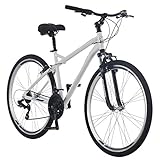
Hybrid bikes blend features from road and mountain bikes. They have a relaxed frame, flat handlebars, and wider tires.
You’ll sit more upright, easing strain on your back and neck. The medium-width tires offer stability on gravel paths, city streets, or light trails.
Many hybrids include a cushioned seat post or front suspension to absorb bumps. This makes casual rides more comfortable, whether you’re commuting or weekend cruising.



Key Components and Drivetrain
Road bikes use close-ratio gearing to keep cadence smooth at high speeds. They often feature 11- or 12-speed drivetrains.
Hybrids use wider-range gearing. A common setup is an 8- or 9-speed cassette, giving lower gears for hills and higher gears for flats.
- Road drivetrain: tight gear steps, fast transitions.
- Hybrid drivetrain: broader range, easier hill climbs.
Brakes and Control
Most road bikes come with caliper or disc brakes. Disc brakes offer better performance in wet conditions.
Hybrids typically have mechanical or hydraulic disc brakes. These brakes provide confident stops on varied terrain.
Both designs emphasize reliable braking, but hybrids often include protective fender mounts to keep brakes clear of debris.
Suspension Differences

Road bikes are usually fully rigid to save weight and boost efficiency.
Some hybrid models offer suspension forks or seat posts. These features absorb bumps on uneven surfaces.
If you ride rough city streets or gravel paths, front suspension on a hybrid adds comfort without sacrificing too much speed.
Comparing Road vs Hybrid Bike Frame and Geometry
| Feature | Road Bike | Hybrid Bike |
|---|---|---|
| Frame Angle | Steeper, aggressive (70–74° seat tube) | Slacker, relaxed (72–75° seat tube) |
| Handlebar Type | Drop bars for multiple grips | Flat bars for upright control |
| Tire Width | 23–28 mm for low rolling resistance | 32–45 mm for traction and comfort |
| Typical Weight | 7–9 kg lightweight performance | 11–14 kg sturdy build |
- Frame angle: Road bikes lean you forward; hybrids keep you upright.
- Tire width: Slim tires roll fast; wider ones grip uneven pavement.
- Weight: Lightweight for speed; slightly heavier for stability.
Performance and Speed
Road bikes accelerate quickly and maintain higher speeds. You’ll feel the difference when you pedal hard on flat pavement.
Hybrid bikes aren’t as fast but still efficient. Their wider tires slow you slightly, but they shine in mixed conditions where grip matters.
Example: A 10‑mile paved ride might take you 30 minutes on a road bike and about 35 minutes on a hybrid. The trade‑off is comfort and control off road.
Comfort and Riding Position
The road bike’s low handlebars put weight on your hands and shoulders. Over long rides, beginners may notice neck or wrist strain.
Hybrid bikes feature flat bars and a higher handlebar height. This posture reduces stress on your upper body and improves visibility in traffic.
Terrain and Use Cases
- Road Bike: Best on smooth roads, racing circuits, and long‑distance tours.
- Hybrid Bike: Ideal for city commuting, weekend fitness rides, light off‑road trails, and errand runs.
If your daily route includes dirt paths or cobblestone streets, a hybrid’s wider tires will handle bumps without slowing you down too much.
Accessories and Customization
Road riders add aero wheels, clip-on lights, and lightweight racks for touring.
Hybrid riders mount fenders, racks, and panniers for commuting. Bottle cages and phone mounts fit both styles easily.
Think about cargo needs and lighting when choosing accessories for safety and convenience.
Environmental Impact and Sustainability
Both bike types reduce carbon footprint compared to cars. Hybrid bikes often encourage more daily trips thanks to their comfort.
Production materials matter: many manufacturers now use recycled aluminum or sustainable practices in carbon frame production.
Choosing a durable bike and proper maintenance extends its lifespan, reducing waste.
Price and Maintenance
Road bikes often cost more due to performance materials like carbon fiber. Expect to pay a premium for top‑end groupsets and frames.
Hybrid bikes generally sit in a mid‑range price bracket. Their durable components require less frequent fine‑tuning and tolerate rougher use.
Over time, hybrids can cost less to maintain. Stronger wheels and wider tires resist damage from curbs and trail debris.

Research Findings, Statistics, and Facts
Recent surveys and market studies provide insight into how riders choose between road and hybrid bikes:
- Commuter Preferences: In a North American commuter study, 28% of bike commuters reported using road bikes for their daily travel, while 18% favored hybrid models for comfort and versatility (peopleforbikes.org).
- Pandemic Sales Surge: During the COVID‑19 pandemic, U.S. bike sales jumped 25% in 2020 and 30% in 2021 compared to 2019 levels, reflecting growing interest in cycling for both transport and recreation (runrepeat.com).
- Market Growth: The global bicycle industry’s market value reached an estimated $74.65 billion in 2024, with projections to grow at a compound annual rate of 8% through 2032.
These statistics highlight that while road bikes remain popular among speed‑focused riders, hybrid bikes capture a significant share of commuters and casual cyclists seeking a more comfortable and adaptable ride.
Common Misconceptions
Misconception: Road bikes are only for experts.
Truth: Entry-level road bikes exist for beginners and still offer speed benefits.
Misconception: Hybrids are too slow.
Truth: Hybrids can reach 15–20 mph on pavement, enough for most commuters and fitness riders.

How to Choose Between Road and Hybrid Bike
- Define Your Riding Style: Prioritize speed on pavement or comfort on mixed terrain?
- Test Ride Models: Even small frame differences can change how your body feels.
- Check Upgrade Options: Look for clearance for wider tires or mounts for racks and fenders.
Consider where you ride most often. If you crave weekend group rides on smooth roads, lean road. If your route varies from pavement to packed dirt, a hybrid keeps you comfortable.

Frequently Asked Questions
Can I switch tires on a hybrid?
Yes. Many hybrids accept narrower tires (28–32 mm) to boost speed on roads.
Are hybrids heavier to ride uphill?
They can feel slower uphill due to weight, but lower gears help maintain comfortable cadence.
Which bike type is easier to maintain?
Hybrids often require less frequent maintenance, thanks to durable components and moderate speeds.
Conclusion on Road vs Hybrid Bike
Road and hybrid bikes each serve clear purposes. Road bikes win for speed and racing, while hybrids shine in comfort and versatility.
Think about your most common rides and your body’s comfort needs. Matching your bike to your goals ensures a more enjoyable and sustainable cycling journey.