Key Takeaway: Cyclocross vs road bike: choose a road bike for speed and endurance on pavement, or a cyclocross for agility and versatility on mixed, rugged terrain.
If you’re a cyclist, then you may be wondering what the difference is between a cyclocross and a road bike. Both bikes are designed for different purposes, so knowing the difference before buying can help you make the best decision for your needs.
In this post, we’ll look at the key differences between these two types of bicycles.

What is a cyclocross bike?

A cyclocross bike is a type of bicycle designed for off-road riding. These bikes typically have wider tires than road bikes, and they often have features that make them more suitable for riding on rough terrains, such as mudguards and higher clearance.
Need a Few Practical Extras for Your Next Ride?
Browse cycling-related clothing and simple bike accessories that may help with comfort, visibility, storage, or everyday riding.
Paid links. As an Amazon Associate we earn from qualifying purchases.
Cyclocross bikes are also often equipped with lighter frames and components than road bikes, making them easier to carry when you have to dismount and lift the bike over obstacles.
What is a road bike?

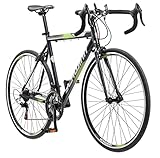
A road bike is a type of bicycle designed for riding on paved surfaces. Road bikes typically have narrower tires than cyclocross bikes, and they often lack features that are not necessary for riding on smooth roads, such as mudguards and higher clearance.
Road bikes also tend to have heavier frames and components than cyclocross bikes, making them more difficult to ride on rough terrain.


Key Difference Between a Cyclocross and a Road Bike
Road bicycles are designed for road racing, whereas cyclocross bikes are used in cyclocross events. Cyclocross bikes are designed to ride on off-road surfaces, while road bikes are designed to ride on paved surfaces.
A cyclocross event is a type of race that takes place on a course that includes a variety of terrain, including pavement, grass, dirt, and mud. On the other hand, road racing takes place solely on the pavement.
Geometry & Build Differences
Cyclocross and road bikes are designed for different terrains and riding styles, with distinct characteristics in geometry and build. Road bikes are optimized for speed and stability on paved surfaces, featuring aerodynamic designs and shorter wheelbases. In contrast, cyclocross bikes are built for agility and explosiveness on varied, rugged terrain, including mud, dirt, grass, and obstacles.
| Feature | Cyclocross Bike | Road Bike |
|---|---|---|
| Tire Width | 30–33 mm (knobby tread) | 23–30 mm (slick) |
| Bottom Bracket Height | Higher for obstacle clearance | Lower for stability on smooth surfaces |
| Aerodynamics | Less aerodynamic, heavier build | More aerodynamic, optimized for speed |
| Wheelbase & Chainstays | Shorter chainstays + lower stack height for agility | Shorter wheelbase for quicker handling on pavement |
| Brakes | Cantilever or Disc | Caliper |
Wheels and Tires
One of the most obvious differences between cyclocross and road bikes is the width of the tires. Cyclocross bikes have wider tires than road bikes, making them more suitable for riding on rough terrain. For cyclocross races, cyclocross tires should have a max width of 33mm. In contrast, road bike tires have a width that ranges from 23mm to 30mm.
Both use 700c (around 29 inches) wheels for the wheel size.
Read also: Best Road Bike Brake Pads
Components
Cyclocross bikes typically have lighter frames and components than road bikes. They have an average weight of 18.8 lbs. This is because cyclocross bikes are designed for riding on off-road surfaces, where the bike’s weight can make a difference.
In addition, cyclocross bikes often have features that road bikes lack, such as mudguards and higher clearance. These features make cyclocross bikes more suitable for riding on rough terrain.
Brakes
The type of brakes that are used on cyclocross and road bikes also differ. Cyclocross bikes typically use cantilever or disc brakes, while road bikes usually use a caliper.
Cantilever brakes are more common on cyclocross bikes because they provide more clearance for the wider tires. Disc brakes are also used on cyclocross bikes, and they offer more stopping power than cantilever brakes. However, disc brakes are more expensive than cantilever brakes.
Handlebars
Both cyclocross and road bikes have drop bars. But a cyclocross has a wider handlebar than a road bike. A wider handlebar can provide more control.
Read also: 11 Best Handlebar Tapes – For On-Road and Off-Road Riding
Gears
Cyclocross bikes typically have lower gears than road bikes. This is because cyclocross bikes are designed to ride off-road surfaces, where the lower gears can make it easier to pedal.
Riding Position
Another difference between cyclocross and road bikes is the riding position. Cyclocross bikes have a more upright riding position than road bikes, making them more comfortable riding on off-road surfaces.
The upright riding position allows the rider to maintain better balance and control on uneven terrain. In contrast, road bikes have a more aggressive riding position designed for speed and efficiency on paved surfaces.

Reasons for Choosing a Cyclocross Bike
1. Ideal winter bike. Cyclocross bikes make great winter bikes designed for riding on off-road surfaces. This means that they can handle the wet and muddy conditions often found in winter.
2. More comfortable. Cyclocross bikes have a more upright riding position than road bikes, which makes them more comfortable to ride.
3. More versatile. Cyclocross bikes are more versatile than road bikes as they can be used for various purposes. For example, cyclocross bikes can be used for commuting, touring, and even racing.

Tips For Handling a Cyclocross Bike
1. Take corners wide. When riding a cyclocross bike, it is important to take corners wide. This will help you avoid obstacles and maintain your balance.
2. Use a lower gear. When riding on off-road surfaces, it is best to use lower gear. This will help you maintain your balance and control on uneven terrain.
3. Don’t brake too hard. Braking too hard can cause the bike to skid or lose traction on off-road surfaces.
Tips For Handling a Road Bike
1. Lean into turns. When riding a road bike, it is important to lean into turns. This will help you maintain your balance and control on the bike.
2. Use a higher gear. When riding a road bike, it is best to use higher gear. This will help you maintain your speed and efficiency on paved surfaces.

Cycling Injury Insights
A year-long study of professional cyclists reported an average of 1.2 injuries per rider, with abrasions (63 %) and contusions (23 %) most common. The knee (18 %), wrist and palms (16 %), and shoulder/clavicle (16 %) were frequent injury sites, and collisions—especially with other cyclists—caused 92 % of incidents. Injuries occurred five times more often in competition than practice, and 91 % happened on normal roads rather than hills.
Cyclocross activities (barrier flats, uphill run-ups) generate significantly higher ground reaction forces than sprint cycling, reflecting the sport’s impact demands. Cross-country mountain biking injury rates range 4 – 71 %, with skin wounds leading.
Conclusion: Cyclocross vs Road Bike
A cyclocross vs road bike decision comes down to terrain and riding style: choose a cyclocross for off-road agility and mixed-surface versatility, or a road bike for maximum speed and efficiency on pavement.