Best Bike Tubes in 2026
- Best Overall: Kenda Inner Tubes
- Best Alternative: AR-PRO Road Bike Inner Tubes
- Best Value for Money: CrabTek Inner Tube
- Best All-Around: Schwalbe SV13 MTB Inner Tubes
- Best for Carbon Rims: Continental Bicycle Tubes
- Best All-Terrain: Schwalbe SV17 Inner Tubes
- Best in Durability: Street Fit 360 Tube
Choosing the best bike tube for your ride can feel overwhelming—whether you commute on smooth city roads or tackle rocky trails.
As an urban or trail cyclist, you need a tube that balances durability, performance, and ease of use without constant maintenance.
Buying the right inner tube means fewer flats, less worry about air pressure, and more time enjoying your ride.
To make things easier, we’ve put together this guide on seven of the top-rated bike tubes in 2026. We’ve also included a buyer’s guide and a review for each product to help you find the perfect tube for your needs.
Need a Few Practical Extras for Your Next Ride?
Browse cycling-related clothing and simple bike accessories that may help with comfort, visibility, storage, or everyday riding.
Paid links. As an Amazon Associate we earn from qualifying purchases.
Our goal with this article is to save you time by giving you all of the information that you need about these products in one place.
We’ll help you match tube types to your riding style, so you can choose with confidence.
Let’s get started!
Not sure what size tube fits your tire? Try our free Bike Tire Size Calculator. Just enter your tire markings, and it instantly shows the right tube size—so you can buy the best bike tube with confidence.

30,904
Customer Reviews

18
Testing Hours

7
Tested Products

12
Sources Researched
7 of the Best Bike Inner Tubes
Kenda Inner Tubes
Best Overall: An inner tube that can keep up with your thrilling adventures
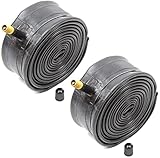
- Fits tire sizes 26 x 1.90-2.125 inches
- 32 mm Schrader valves
- Weighs 13.8 oz
- Made of butyl rubber
- Perfect for mountain bikes, hybrid bikes, cruiser
No wonder Kenda Inner Tubes are famous among cyclists because of their reliability yet affordable. Kenda offers a thick and molded butyl rubber that maintains stable pressure even on rough roads. Because of this, you still enjoy smooth tire rolling, even on bumpy terrains.
Kenda is also easy to install and does not stick on the bead, so replacing the tube is more effortless. The sturdy 32mm Schrader valve allows fast inflation so that it won’t take much of your time on the trail.
AR-PRO Inner Tubes
Best Alternative: Explosion-proof rides mean more fun
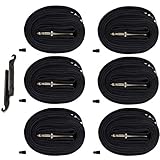
- Fits tire sizes 700c x 20 – 25 mm (28-inch tires)
- 80 mm Presta valve
- Made of butyl rubber
- Perfect for road bikes, hybrid bikes, e-bikes
AR-PRO inner tubes prove their dependability with their explosion-proof feature. It has a built-in self-sealing property that works if and when punctured. It creates an airtight seal around the holes to prevent additional damage to your tires.
This is also a perfect choice if you own a bike with deep-section wheels. Because it is narrower and longer, the 80 mm Presta valve stem makes inflation easier.
AR-PRO is also four times thicker than the average inner tubes found in the market. With the thick tube, it can absorb more bone-rattling shocks and vibrations, so that’s a plus comfort for you.
CrabTek Inner Tube
Best Value for Money: High-quality butyl rubber

- Fits tire sizes 700c x 38 mm – 43 mm
- 48 mm Schrader valve
- Made of butyl rubber
- Perfect for road bikes, hybrid bikes, e-bikes
If you are looking for an American standard valve length inner tubes, CrabTek inner tube is a perfect choice. It fits 700c tires with a width of 38 mm to 43 mm, which matches the usual road bikes.
No need to purchase rim tapes as the package includes two rim strips. This gives additional protection from spoke holes to keep you free from recurring flats.
The high-quality butyl rubber lasts longer than the average inner tubes. It is known for its excellent sealing feature while also absorbing shock. This is a plus for safety and comfort.
Schwalbe SV13 MTB Inner Tubes
Best All-Around: Fits a wide range of tire sizes and a variety of bikes

- Fits tire sizes 26 x 1.5-2.4 inches
- 40 mm Presta valve
- Weighs 165 g
- Made of butyl rubber
- Perfect for mountain bikes, cyclocross bikes
SV13 undergoes admirable quality control to give a reliable and durable inner tube-like all Schwalbe inner tubes. The butyl rubber mixture is a fit for the most challenging off-road trails. Its airtight feature significantly holds pressure longer, so you don’t have to inflate all the time.
Another plus feature of SV13 is its nickel-plated brass stem locknut. It does not only look classy, but it keeps it protected from corrosion.
Finally, Schwalbe SV13 is highly versatile. It can accommodate wide-ranging tire sizes because of its elastic and robust material.
Continental Bicycle Tubes
Best for Carbon Rims: Seamless construction

- Fits tire sizes 700c x 20 – 25 mm (28 inches)
- 42 mm Presta valve
- Weighs 3.70 oz / 105 g
- Made of butyl rubber
- Perfect for road bikes, hybrid bikes, e-bikes
Are you finding the perfect tube for your carbon rims? Continental inner tubes are a great choice. They are made of butyl rubber which can excellently retain air. These are also highly resistant to moisture and most chemicals, so you can expect them to last long.
The 42 mm Presta valve is perfect for wheel rims 20 mm up to about 30 mm. If you have deeper profile rims, do not worry because you can always attach a valve extender. Thanks to its removable core for a quick and easy attachment.
In addition, the tube is designed with seamless construction to ensure an uneven roundness which gives you smooth and easy handling.
Schwalbe SV17 Inner Tubes
Best All-Terrain: Elastic tubes which fit varied tire widths

- Fits tire sizes 710c x 38 – 44 mm (28 inches)
- 40 mm Presta valve
- Weighs 157 g
- Made of butyl rubber
- Perfect for touring, trekking, cross bikes and mountain bikes
Schwalbe SV17 inner tubes feature a Presta valve with Skyscape metal valve caps which protect your tube from dirt and moisture while retaining the air pressure.
Schwalbe also takes pride in its reliable quality control to ensure your safety. The tubes are inflated and stored for 24 hours to ensure it holds steady air pressure. The butyl rubber compound prevents pressure loss, thus giving you a solid rolling resistance so you can enjoy diverse terrain on the mountains.
Another great feature of Schwalbe SV17 is its elasticity, covering a wide range of tire widths without causing strain on the tube.
Street Fit 360 Tube
Best in Durability: Extra thick tube for better puncture resistance

- Fits tire sizes 660c x 50 – 60 mm (26 x 1.95-2.35 inches)
- 32 mm Schrader valve
- Weighs 4.8 oz / 136 g
- Made of butyl rubber
- Perfect for mountain bikes, hybrid bikes, comfort bikes
If you are looking for inner tubes that are highly puncture-resistant, Street Fit 360 is a perfect match. It is made seven times thicker than standard inner tubes. The extra thickness also provides an added protection from spoke nipples on the rim. Yet note that it is still lightweight with just about 5 ounces.
Street Fit 360 tubes are also designed, so it is easily installed and inflated. Just make sure the bead is placed accurately on the entire rim, and you can start adding pressure. These inner tubes also cater to a variety of bikes. It can fit cruisers, mountain, or recumbent bikes.
These tubes come in two packs, so you have spares in case you need new ones.

What to Look for When Buying a Tire Tube
Bike type
Bike tubes come in various types depending on your riding situation and conditions that may cause flats like punctures or pinch-flatting (when inner tube gets pinched between the rim and wheel as a result of improper fitting).
Not all tires work on every bike. For instance, if you have a mountain bike, you’ll want something that can handle the roughest terrains to prevent punctures and flat tires. A hybrid bike will do much better with narrower tires as these are meant for city commutes with an occasional off-road adventure here and there.
Surface
The surface where you’ll be riding is another thing to consider when buying bicycle tubes because it’s going to determine how thick your tire tube should be. Road bikes usually need thinner tubes than touring bikes because touring bikes spend more time on uneven roads whereas road bikes stay on pristine tarmac most of the time.
If your streets are not paved well, looking into a puncture-resistant tire tube is an absolute must.
Tube material
Inner tubes are always made of different materials. But over the past few decades, they have mostly been made from synthetic rubber. This material is popular because it has some good qualities that make people like it.
The most common bike inner tube is butyl rubber. It has several qualities that make it the best option for training, racing, and general use. It doesn’t expand when you put pressure on it, and it doesn’t change shape even if it has a hole in it. It also maintains a high level of elasticity which makes it more durable than other options.
On the other hand, inner tubes made of latex are much faster-rolling than the regular butyl tubes used by most riders. They absorb the bumps in the road better. This makes them more effective at keeping your tire on track, preventing being bumped into the air.
Recent tests highlight key trade-offs among butyl, TPU, and latex tubes
| Feature | Butyl Tubes | TPU Tubes | Latex Tubes |
|---|---|---|---|
| Weight (700c) | 105–180 g | 22–100 g | 75–85 g |
| Rolling Resistance | Highest | Low (near latex) | Lowest |
| Air Retention | Best (90+ days) | Moderate (30–60 days) | Fast loss (daily) |
| Puncture Resistance | Moderate | High | High (elasticity) |
| Elasticity (Elongation) | ~300% | 600–700% | ~800% |
| Durability (Lifespan) | Longest (10 yr) | Promising (more data) | Shortest (<2 yr) |
| Cost | Most affordable | Mid–high | Highest |
Choose butyl tubes for low-maintenance durability, TPU if you want a lightweight yet robust option, and latex if you chase peak performance at the expense of frequent inflation.
Valve type and length
Valves are the main thing you should consider when buying a bike tube. The more valves, the easier it is to fit your tire with extra airflow.
The length is also an essential factor especially if you’re using a road bike. Road bikes have narrow tires, which require smaller tubes so they can accommodate detachable tires and change wheelsets easily. 26-inch and 700c are both considered standard road sizes since most of the modern bikes use these two sizes for their rims.
Mountain bikes mainly use a 1.9 or 2-inch wide inner tube depending on the wheel size as well as the ride type (hardtail vs full suspension). They come in all shapes and sizes since mountain bikes vary a great deal based on riding style and needs.
Tire Width and Wheel Size
Bicycle tires have a very important role, which is to provide traction and directional stability. Among the different factors that affect your purchase decision, you should pay attention to wheel size and type. You should choose the right size of your bike tire according to your bicycle’s geometry frame size.
How wide a tire is expressed in millimeters. A wider tire typically has a larger contact patch with the road and can provide more grip or traction. However, they also make it harder to steer, so you will have less responsiveness when cornering at high speeds. The larger volume of air inside a wide tire provides better shock absorption also, which further reduces vibrations transmitted from the road.
What Bike Tube Size Do I Need?
The tube size (or diameter) depends on the tire and type of bike you have.
The best size bike tube will offer a better contact patch with the road surface. For instance, if you are working on 700c wheels, then you need 25-28mm wide tires. For a 26-inch wheeled bicycle, you will need a 26×1.95-inch inner tube.
Another example for a 700c wheel is 700×23c or 700×25c to match the width of the tires that come with it. In general, 24″ to 28″ wheels take 26×1.95 size while 29″ to 35″ wheels accept 27×1.9 size perfectly fine – however your tires may differ from these standards depending on what makes or models you’ve got.

How Do I Fix a Bike Tube
Bike tire patching is one of the easiest things to learn. If you love cycling, then you must know how to fix a flat tube and install new inner tubes in your bicycle’s tires.
How Do I Fix a Puncture In My Bike Tire?
You may encounter punctures when riding a bicycle on bumpy trails and rocky areas which will damage your bicycle tires. To repair them using what we call “the simple method”, follow these instructions below:
- Remove the wheel from the bike and put the punctured tire aside (you may use it again if needed).
- Trace where you need to cut using chalk or crayon for better visibility.
- Cut out the damaged part of the tire.
- Pour in some latex or liquid latex to seal and close the hole.
- Let it dry for at least 1-2 hours.
- Put back your wheel over your bicycle and you’re all done!

How Do I Find a Leak in My Bike Tube
You can easily find a leak in your bike tube if you know what to look for. Leaks are one of the most common problems that come up with bicycle tires and other inner tubes, however finding the source of the leak is not difficult if you follow these steps:
- Locate wet spots on the tire or around where it is mounted onto the wheel rim (do this by using a paper towel or napkin).
- Carefully inflate your tire using a pump and see where air bubbles appear.
- Double check your tire pressure by riding on smooth surfaces like roads and paths.
- If there is still no improvement, then you may have to replace your tube immediately.

Other Frequently Asked Questions
How do I choose a bike inner tube?
The easiest way is to choose the one that matches your bike’s tire width, which is usually provided by your bicycle. Keep in mind that tires come with a maximum pressure rating that you need to check before every ride.
Do inner tubes make a difference?
Of course. A good inner tube will make a huge difference to how well your bicycle rides and feels while you are on the road, specifically when it comes to riding on bumpy trails with uneven surfaces.
How do I keep my bike tire from puncturing?
The best way is to inflate your tires with the pressure they need before every ride so that they can be in check with the maximum air pressure rating that they can handle. Never forget to clean them after each use or if you notice any rusting – this will help prevent them from getting punctured accidentally.
Can I use a bigger tube in my bike tire?
It is possible to use a bigger tube for your bike tire, but you will need to check the specifications of everything involved. For example, if you are using 27×1.9-inch tubes for 26×1.95-inch tires, make sure that the rim and hub are also able to handle these sizes as well.
Conclusion on the Best Bike Tube
If you’re still at crossroads for a perfect inner tube, we suggest Kenda Inner Tubes if you own a mountain bike. It offers a thick butyl rubber that maintains a stable pressure even on rough trails yet is affordable. AR-PRO inner tubes, if you have a road bike. It features an explosion-proof tube with its self-sealing property, so your long road cruise is not hampered.
Have a fun ride!