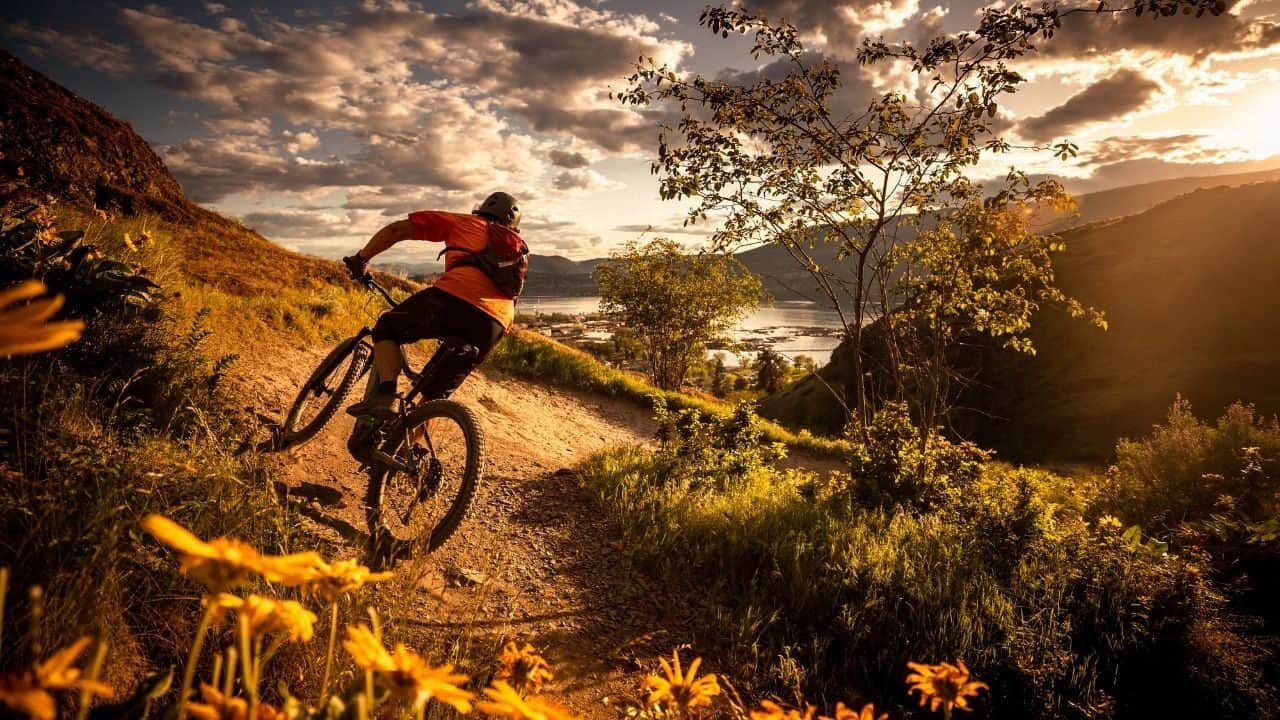
Mountain bikes are meant for riding on rough terrains. But how does one start mountain biking to be able to ride the trails and not hurt yourself? You cannot just jump on a bike if you have never done it before and start riding around, so how do you go about learning how to ride them?
Mountain biking is a fun sport that can help you get into shape, burn some calories, and have fun doing it. This how-to guide will help you get started on the right road to a new adventure that is both exciting and challenging.
Mountain Biking at a Glance
Mountain biking is a totally different sport from what you do on your road bike and requires some very specific skills. When mountain biking, you will need to know how to control your bike on steep, bumpy trails. Obviously, you will need to have the proper equipment for this sport.
Before you take off on your first mountain biking trip, you need to make sure that you have the proper gear and understand how to choose a mountain bike.
Need a Few Practical Extras for Your Next Ride?
Browse cycling-related clothing and simple bike accessories that may help with comfort, visibility, storage, or everyday riding.
Paid links. As an Amazon Associate we earn from qualifying purchases.
Mountain Bike Terrain Types
Doubletrack Trails
Less traveled mountain biking trails that are wider and usually flatter. These do not have any rocks, roots, or mud holes on them. This is where you will learn how to ride your mountain bike.
Singletrack Trails
Singletrack trails are very narrow, twisty trails that usually have rocks, roots, or mud. You will need to learn how to how to maneuver your bike through these types of trails.
Mountain Bike Terrain Parks
Mountain bike terrain parks have a variety of different features for you to ride on. This is the place where most people start out. There are trails with all kinds of bumps, jumps, and obstacles to ride over. This is how you learn how to go up and down hills.
Mountain Biking Styles
Downhill/ Park
Downhill riding is usually done in the warmer months of ski resorts.
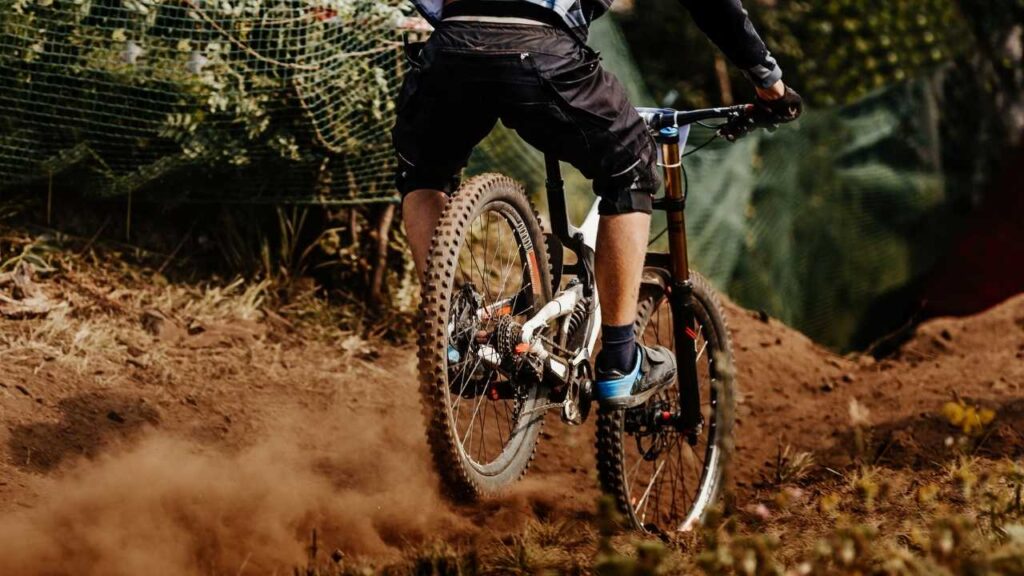
You’ll ride huge, powerful motorcycles with full-face helmets and body armor. The bikes have more robust parts and fewer gears, as well as greater travel in the suspension. All of this helps you conquer jumps, berms, rock gardens, and wooden ladders. Because you’re always on a downward slide, you don’t have to pedal much since you’re constantly reacting to the approaching terrain.
All-mountain/ Enduro
Bikes for all-mountain/enduro riding are built for rapid descents, while also being light and nimble enough to pedal up.
The term enduro originated in the world of racing and refers to a race with timed downhill stages but no time limit on the ups. The winner is determined by who can complete the downhills fastest. Enduro riding has grown increasingly popular.
Cross-country
When riding in this manner, you are typically doing it fast, and climbing ability is important. Distances range from a few kilometers to 25 miles or more, and bikes tend to prioritize light weight and performance. If you’re thinking about getting competitive or want a faster ride for your local trails, cross-country bikes are ideal.
Trail Riding
Trail riding is the most common style of mountain biking.
It isn’t based on a certain type of racing. If you want to go out with your pals and ride climbs and descents at the local trailhead, this is the style for you. Bikes in this category prioritize fun, efficiency, and reasonable overall weight.
Fat-tire Biking
Fat-tire bikes are bicycles with tires that measure at least 3.7 inches in diameter (and, depending on the model, it can be as wide as 5 inches or more). They provide excellent traction in snow and sand. Fat-tire riding is not limited to these environments and has shown to be a fast-growing alternative to all-season trail riding. Fat-tire bicycles make an excellent beginner mountain bike option because they are very forgiving on rough terrain.
Mountain Bike Types
Mountain bike types are designed for various riding styles.
If you’re just starting out, you should choose a bike that provides good upright stability while allowing quick handling on more difficult trails.
Hardtail Mountain Bikes
With a hardtail, the rear wheel is suspended but there’s no shock absorber at the front. In certain circumstances, this design doubles as an advantage over suspension forks because it aids in climbing and maneuverability
Hardtail mountain bikes are very popular because of how versatile they are. They can be ridden on any terrain, and you can take them on hills without worrying about getting too tired.
Full Suspension Mountain Bikes
A full-suspension bike has both rear shock absorbers and a front suspension fork. This makes your ride much more comfortable but it will also cost you more money. If you’re not planning to ride very rough trails, then a hardtail might be fine. It’s up to how much comfort you think you need when riding over bumps and rocks.
Rigid Mountain Bikes
With a rigid mountain bike, you don’t have any suspension. This design is the lightest of all mountain bikes because it reduces how much energy is lost when riding over an obstacle.
This style doesn’t absorb bumps and droplights but it will allow you to climb hills that might seem impossible on other bikes. If you’re just starting out, a rigid frame might be the best option because it’s inexpensive and easy to maintain.
What Do I Need to Go Mountain Biking?
The good news is that you don’t need much special equipment to start mountain biking. A standard mountain bike – also called an all-purpose or cross-country bike – will do just fine.
You might also want to invest in some protective gear, like a helmet, gloves, and knee pads. This is especially important if you’ll be riding on rough terrain.
As for clothes, just wear something comfortable that you don’t mind getting dirty. You might want to avoid loose fitting clothing, as it can get caught on the bike or bushes.
What to Consider When Choosing a Mountain Bike
Frame Size
To get the right frame size, stand over the bike and see how much of your height is covered by the top tube. You should be able to easily straddle it without hitting any part of it with your feet. A general rule of thumb is that if you are in-between sizes, go for the larger one because it will be more comfortable.
Material
There are three common types of mountain bike materials that you will see: aluminum alloy, steel, and carbon fiber.
Aluminum is less expensive than steel but it also has a lower ride quality. It’s very durable though so this might be an option if you plan on riding your bike in rough terrain. Carbon fiber is the best material because it’s very lightweight. However, it also makes the bike more expensive.
Wheel Size
Mountain bikes usually have 26-inch or 27.5-inch wheels. The size you choose depends on how much suspension your bike has and how confident you feel when riding. If you’re just getting started, go with 26 inches because they are easier to maneuver. If you want more stability when descending, go with the 27.5 inches instead.
Bike Type
You should also consider mountain bike types. Choose between hardtail, full suspension, and rigid. The best thing is to test how each one of these feels when riding it on different trails. You can also see how much money you are willing to spend on your bike.
To help you choose, here are some of our top mountain bike picks:
- Best Beginner Mountain Bikes
- Best Women’s Mountain Bikes
- Best Mountain Bikes Under $500
- Best Folding Mountain Bikes
What to Wear Mountain Biking
When mountain biking, make sure to wear comfortable clothes that will allow you to ride how you want. Avoid baggy clothing because this greatly reduces how good your sense of control is over the bike.
Jersey
Make sure you choose a jersey that can absorb sweat. You might be riding for hours on end and it’s important to stay cool and comfortable the entire time.
Pants
You should wear pants that are made from stretchy material to give you enough room to freely pedal your bike at whatever speed you feel comfortable with.
Gloves
To protect your hands during a spill, make sure to wear gloves. This is how you will save yourself from a lot of pain and how you will keep your fingers intact.
Helmet
Aside from how your clothes protect you, it’s your helmet that will save you from severe head and brain damage. This is how it’s possible to wake up the next day and ride mountain bikes again.
Shoes
To go mountain biking, you should wear cycling shoes. These are how you attach your feet to the pedals because normal sneakers will come off every time you hit a bump. Cycling shoes have stiff soles to keep your feet in place and they are how you get good power transfer when cycling.
Hydration Backpacks
If you go out for an extended period of time, bring a hydration backpack so you can stay hydrated. This will help you avoid running out of energy.
How to Find Beginner-Friendly Trails
One of the best things about mountain biking is that it can be done almost anywhere. There are trails all over the world, in forests, parks, and even urban areas.
If you’re not sure where to start, here are a few tips:
1. Check out local bike shops or visitor centers.
They should have maps of local trails, and they might even offer guided tours.
2. Look for beginner-friendly trails.
Trails are typically classified by their difficulty level, so look for ones that are rated easy or intermediate. These have symbols of white circle (easiest), green circle (easy), or blue square (intermediate).
3. Avoid trails with steep climbs or technical features.
These will be too difficult for beginners. Look for trails with gradual climbs and few obstacles. If you see a black diamond (very difficult) or double black diamond (extremely difficult) trail, steer clear!
4. Use an app or website.
There are plenty of apps and websites that can help you find trails near you. Some popular ones include AllTrails, TrailForks, and MTB Project.
5. Start with a short trail.
You can always work your way up to longer trails as you get more experience. For your first few times out, stick to trails that are 10 miles or less.
What to Expect on Bike Trails
Now that you know how to find beginner-friendly trails, it’s time to hit the trail! Here’s what you can expect:
1. The terrain will vary.
One of the best things about mountain biking is that you never know what kind of terrain you’ll encounter. You might ride through forests, fields, or even deserts.
2. The trails will be marked.
Most trails are marked with symbols that indicate the level of difficulty. White circles are the easiest, green circles are easy, and blue squares are intermediate.
3. You might see other trail users.
Mountain biking is a popular activity, so you might come across other cyclists, hikers, or even horseback riders on the trails. Be sure to yield to other trail users and follow the rules of the trail.
4. You might get lost.
Even if you stick to marked trails, it’s possible to take a wrong turn and end up lost. It’s always a good idea to bring a map and a compass (or a GPS device) with you on the trail.
5. You might encounter obstacles.
Depending on the trail, you might come across obstacles like rocks, roots, or even streams. These can be tricky to navigate, so take your time and be careful.
Preparing for Your First Ride
Check the tire pressure
Check the tire pressure of your tires to make sure they are ready for the trails. If you’re planning on cycling in areas that have lots of bumps or rocks, this helps you avoid having a flat tire in the middle of nowhere.
Lube your chain
Lube your chain to keep it running smoothly. If you neglect to do this, then expect how an uncomfortable ride.
Bring the essentials
If you’re going out for a long ride, make sure to bring the essentials with you. This includes tire plugs, multi-tool, and some snacks.
Create a plan
Have a plan for how you will get back to your starting point. If possible, try to avoid riding through the night because it increases how likely you are to get lost.
How To Ride A Mountain Bike
Now that you have your mountain bike, it’s time to learn how to ride it! Here are a few pointers to get you started:
1. Start on flat ground
If you’re a complete beginner, it’s best to start riding on flat ground until you get the hang of things. This could be a park, an empty parking lot, or even your own backyard.
2. Get comfortable with the gears and brakes
Before you start riding, take a few minutes to familiarize yourself with the gears and brakes. Make sure you know how to shift gears and how to use the brakes properly.
3. Don’t be afraid to walk your bike
If you come to a section of trail that’s too difficult or dangerous to ride, don’t be afraid to get off your bike and walk it through.
4. Take your time
Mountain biking takes practice, so don’t get discouraged if you fall or make mistakes at first. Just keep at it and you’ll improve with time.
5. Have fun!
Remember, mountain biking is supposed to be fun! So relax and enjoy the ride.

How To Transport Your Bike
Now that you’re ready to hit the trails, you need to figure out how to get your bike there! Here are a few options:
1. Drive it there.
If you have a car, you can simply load up your bike and drive to the trailhead. This is usually the easiest option.
2. Take public transportation.
If you don’t have a car, you can take your bike on public transportation. Most buses and trains have racks for bikes, but you’ll need to check the rules before boarding.
3. Ride your bike there.
If the trail is close enough, you can always ride your bike there! This is a great way to warm up before hitting the trails.
4. Use a bike trailer.
If you have a small child, you can use a bike trailer to tow them (and your gear) to the trailhead. This is a great option for families.
5. Hire a bike shuttle.
In some areas, you can hire a bike shuttle to take you (and your bike) to the trailhead. This is usually more expensive than other options, but it’s also the most convenient.
Tips For Improving Your Skills And Confidence On The Trail
Once you’ve been on a few rides and gotten the hang of things, you might be ready to tackle some more challenging trails. Here are a few tips to help you out:
1. Take a skills class.
If you’re feeling unsure about your abilities, sign up for a mountain biking skills class. These classes are usually offered by local bike shops or recreation centers.
2. Get some practice.
Before hitting the trails, try riding in a park or in an empty parking lot. This will help you get used to handling your bike and build up your confidence.
3. Start small.
When you’re ready to hit the trails, start with an easy trail that you’re comfortable with. You can always move up to more difficult trails later.
4. Ride with a friend.
Riding with a friend (or group) can be more fun and less intimidating than riding alone. And if you have any problems on the trail, they’ll be there to help you out.
5. Ride with veterans.
If you know anyone who’s an experienced mountain biker, ask them to take you on a ride. They can give you some great tips and help you feel more comfortable on the trail.
6. Be prepared.
Before heading out, always check the weather forecast and make sure you have everything you need for a safe and enjoyable ride.
Basic Mountain Biking Technique
There are a few basic things you need to know in order to ride a mountain bike effectively. Here are some of the most important:
1. Body position
When riding, you want to be in a “neutral” position – not too far forward or too far back. This will help you keep your balance and be more comfortable on the bike.
2. Braking
Mountain bikes have two brakes: a front brake and a rear brake. When braking, use both brakes at the same time for maximum stopping power.
3. Shifting gears
To make pedaling easier, you’ll want to shift gears when going uphill or downhill. For most people, this means shifting to a lower gear (lower number) when going uphill and a higher gear (higher number) when going downhill.
4. Standing up
When riding over rough terrain, you might need to stand up on the pedals to keep your balance. This will help you avoid getting thrown off the bike.
5. Steering
To turn, simply lean the bike in the direction you want to go. The further you lean, the sharper the turn will be.
Now that you know the basics, get out there and start exploring! Mountain biking is a great way to get exercise, fresh air, and an adrenaline rush all at the same time. So what are you waiting for? Get on your bike and hit the trails!
Frequently Asked Questions
Is mountain biking hard for beginners?
It depends on how hard you want to push yourself. The best thing is how fun it is because mountain biking offers a lot of exciting experiences that will eventually become second nature depending on how long you continue cycling.
Is mountain biking dangerous?
Mountain biking is not as dangerous as it looks. However, you will need to learn how to do certain things yourself in order for how to stay safe while cycling.