Key Takeaway
- Mountain bike speeds vary widely depending on terrain, rider skill, elevation, and bike setup.
- Beginners average 7–10 mph, intermediates 10–15 mph, and advanced riders 15–20+ mph on typical trails.
- Downhill riders can exceed 30 mph, while world-record attempts on controlled slopes surpass 140 mph.
- Research shows that mountain bike speeds are highly influenced by mechanical efficiency, rider fitness, and terrain conditions (Rauter, 2023).
How fast can a mountain bike go? That’s a question many riders ask when they want to understand their limits, compare trail performance, or simply ride smarter and safer.
For cyclists who use mountain biking for fitness, fun, commuting, and adventure, knowing realistic speed ranges helps set expectations, plan rides, and choose the right gear.
In this updated guide, you’ll find clearer explanations, new research-backed insights, expert-supported examples, and practical tips to enhance both your speed and your riding confidence.
Need a Few Practical Extras for Your Next Ride?
Browse cycling-related clothing and simple bike accessories that may help with comfort, visibility, storage, or everyday riding.
Paid links. As an Amazon Associate we earn from qualifying purchases.
So, grab your helmet, and let’s start this ride!

Understanding Mountain Bike Speeds: The Basics

Definition of Speed in Mountain Biking
When we talk about speed in mountain biking, it’s not just about how fast you can go. It’s about that feeling of the wind whooshing past you, the blur of the trail under your wheels, and the adrenaline pumping through your veins. But it’s also influenced by biomechanics, terrain resistance, and energy output, which research highlights as major contributors to real-world cycling speed (Rauter, 2023).
Speed in mountain biking is a blend of thrill, technique, and environment.
Distinction Between Average and Top Speeds
There’s a big difference between the speed you ride at most of the time (that’s your average speed) and the top speed you hit when you’re really pushing it.
Think of it like this: average speed is cruising through the park, while top speed is racing down a hill like there’s no tomorrow.
Factors Influencing Speed
Terrain Type: Flat, Downhill, Technical Trails
The type of terrain you’re tackling plays a huge role in how fast you can go. On a flat trail, it’s like pedaling through a peaceful meadow.
Downhill? It’s a high-speed thrill ride. And those technical trails with all their twists and turns? They’re a real test of your speed and skill.
Bike Type and Features: Suspension, Tires, Weight
Your mountain bike is your trusty steed in this adventure, and its features can really impact your speed. A good suspension absorbs those bumpy shocks, while the right tires grip the trail just right.
Research shows that rolling resistance, tire pressure, and drivetrain efficiency significantly affect speed output, particularly in off-road conditions (Rauter, 2023).
And don’t forget about weight – the lighter the bike, the quicker you can zip along.
Rider Skill and Experience
Lastly, it’s all about you, the rider. Your skill and experience make a huge difference. It’s like learning to dance – at first, you’re stepping carefully, but with practice, you’re moving like you were born to do it.
The more you ride, the faster and more confidently you’ll navigate those trails.
Average Speeds: What to Expect

Navigating through the world of mountain biking speeds is as exciting as it is varied. Your skill level, the bike you’re riding, and the trail you choose all play a part in how fast you’ll go.
Let’s break it down by skill levels and see what kind of speeds you can expect.
Speed Ranges for Different Skill Levels
Beginners: Expected Speed Range
If you’re just starting out, don’t worry about breaking any speed records. For most beginners, averaging around 7-10 miles per hour (mph) on easier trails is pretty normal. It’s like a brisk jog through the woods, where you’re getting the feel of your bike and building confidence.
Intermediate Riders: Speed Enhancements
Once you’ve got some rides under your belt, you’ll start to see your average speed increase. Intermediate riders often average between 10-15 mph. It’s like you’ve gone from jogging to a steady run, mastering control and technique as you go.
Advanced Riders: Top Achievable Speeds
For the seasoned mountain bikers, speeds can get pretty exhilarating. Advanced riders can average anywhere from 15-20 mph or even higher on familiar trails. It’s like sprinting – a full-on adrenaline rush where skill and speed come together.
Impact of Terrain on Average Speeds
Comparison of Speeds on Different Trail Types
The terrain you’re riding on can make a huge difference in your speed. On flat, smooth trails, you might find yourself cruising comfortably at higher speeds. But on technical trails with lots of obstacles, expect your average speed to drop as you navigate roots, rocks, and sudden turns.
On average, a mountain biker can expect to cruise at around 10 mph when they’re weaving through singletrack trails. It’s a bit like a steady jog through the woods.
When the trail tilts upward, the pace usually dips to about 8 mph – think of it as a brisk uphill hike on two wheels. But here’s where the thrill kicks in: on downhill sections, the speed can ramp up to an exhilarating 12 mph, almost like a wind-in-your-hair dash down the slope.
Now, let’s talk about downhill mountain biking, where things really get speedy. On these trails, the average speed revs up to around 17 mph. And for those moments of pure adrenaline, peak speeds can soar upwards of 30 mph. It’s a heart-pounding, high-octane ride that’s all about feeling the rush and the joy of mountain biking at its fastest.
On average:
- Singletrack: ~10 mph
- Uphill climbs: ~8 mph
- Downhill flow trails: ~12 mph
- Downhill MTB courses: ~17 mph on average, with peak speeds 30+ mph


Research-Backed Insights on Mountain Bike Speed
1. Speed Differences Based on Bike Type and Terrain
A 2023 study comparing traditional MTBs and electric-assisted MTBs found that average speeds vary significantly based on mechanical efficiency and elevation profile (Rauter, 2023).
- Traditional MTB average speed: ~17.2 km/h (≈10.7 mph)
- eMTB average speed: ~23.6 km/h (≈14.6 mph)
- Key finding: terrain steepness and drivetrain efficiency have the strongest influence on speed.
2. Speed Performance on Mixed Terrain
Research also shows that pedaling economy and bike stability directly impact top speeds, especially on aggressive descents where riders must balance control and velocity (Rauter, 2023).
In short: your bike setup, fitness level, and trail shape all play measurable roles in determining how fast you really go.
Pushing the Limits: Record Speeds in Mountain Biking
Mountain biking isn’t just about leisurely trail rides; it’s also a sport where riders constantly push the boundaries of what’s possible. This quest for speed has led to some astonishing world records and advancements in bike technology. Let’s dive into the world of record-breaking speeds and the tech that makes it possible.
World Records and Notable Achievements
Historical Perspective on Speed Records
One of the most jaw-dropping records was set by Eric Barone, who reached 141.499 mph (227.720 km/h) in 2017 on a snow-covered slope.
Profiles of Record-Setting Riders
These record-setting riders are more than just cyclists; they are pioneers who blend courage, skill, and determination. Take Markus Stöckl, for instance, who set a speed record on a volcano in Nicaragua, hitting speeds of 102.5 mph (164.95 km/h). These athletes push the envelope, inspiring a whole generation of riders.
Technology’s Role in Breaking Speed Barriers
Advances in Bike Design and Materials
Today’s mountain bikes are marvels of engineering. The use of carbon fiber and aerodynamic designs has dramatically reduced weight and increased strength. Suspension technology has also evolved, allowing bikes to maintain stability and control at high speeds, even on rough terrain.
Safety Gear and its Importance in High-Speed Riding
As speeds increase, so does the need for top-notch safety gear. Modern helmets are not just protective; they’re also aerodynamic and lightweight.
Body armor, gloves, and specially designed shoes all play a crucial role in keeping riders safe at high speeds. This gear has become as crucial as the bikes themselves, especially when riders are flirting with the limits of speed and gravity.

Enhancing Your Mountain Bike Speed Safely
So, you’re looking to kick your mountain biking speed up a notch? Great! But remember, with great speed comes great responsibility. It’s not just about going fast; it’s about doing it safely and smartly.
Let’s explore how you can safely improve your speed through training, technique, and the right equipment.
Training and Techniques for Speed Improvement
Skills Training: Balance, Handling, Endurance
Improving your mountain biking speed isn’t just about pedaling harder; it’s about mastering the art of riding. Focus on balance and handling skills to navigate tricky terrain smoothly.
Practice makes perfect, so spend time on different trails to improve your technique. Endurance is key too – the stronger your stamina, the longer you can maintain higher speeds.
Fitness Aspects: Strength, Agility, Cardiovascular Health
Your physical fitness plays a big role in how fast and how long you can ride. Strength training, particularly for your core and legs, helps in powerful pedaling and better bike control.
Agility exercises enhance your ability to quickly maneuver through challenging trails. And good cardiovascular health means you won’t tire out quickly, letting you keep up those higher speeds for longer.
Equipment Upgrades and Maintenance
Importance of Regular Bike Maintenance
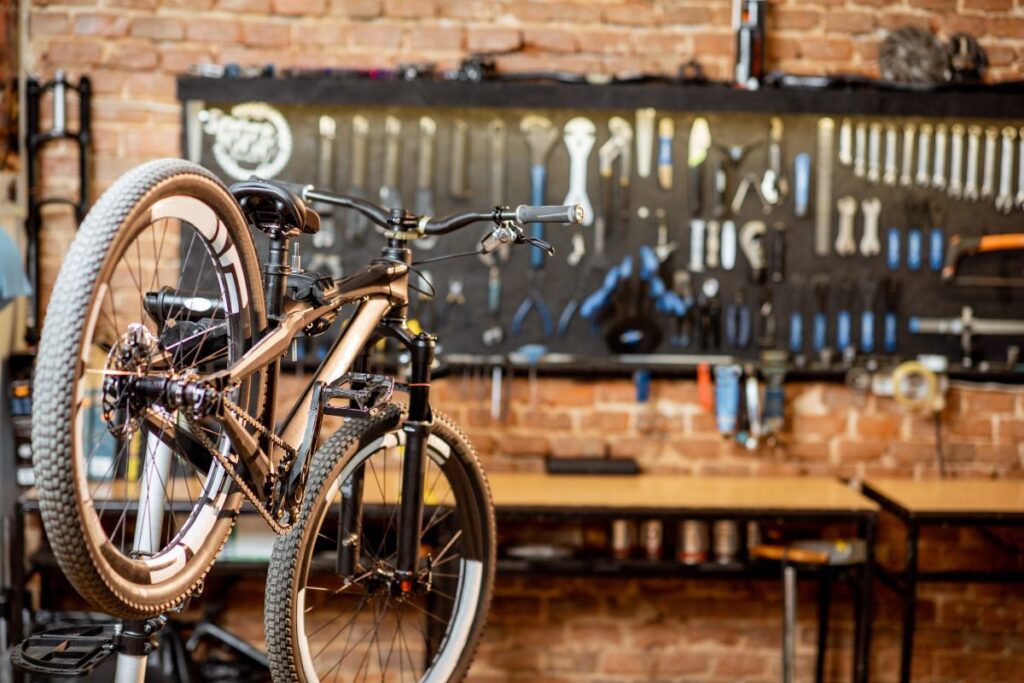
A well-maintained bike is a fast bike. Regular maintenance, like checking your brakes, gears, and tire pressure, not only ensures your safety but also improves your ride’s efficiency. A smooth, well-oiled bike means less resistance and more speed.
Upgrades for Speed: Tires, Gears, Aerodynamics
Consider upgrading parts of your bike to boost your speed. Tires with better grip or lower rolling resistance can make a noticeable difference. Experimenting with gear ratios can help you find the sweet spot for speed and effort.
And don’t forget aerodynamics – even small changes, like a streamlined frame or the position of your handlebars, can reduce drag and help you slice through the air more efficiently.
Small aerodynamic tweaks, like handlebar width or riding posture, can reduce drag and boost your speed.
Planning your ride? Check out our tools:
- Cycling Speed Calculator: Plan Your Rides Smarter
- Cycling Climb Calculator (Power, Time, W/kg & Effort)

The Role of Safety in High-Speed Mountain Biking
Zooming down a trail at high speed on your mountain bike is exhilarating, no doubt. But as we pick up the pace, it’s crucial to keep safety at the forefront. Understanding and mitigating risks ensures that our love for speed doesn’t lead to unwanted spills or thrills.
Understanding and Mitigating Risks

Common Injuries Associated with High-Speed Mountain Biking
High-speed mountain biking, while thrilling, can be risky. Common injuries include cuts and bruises, broken bones, or even concussions. These can result from falls, collisions, or just pushing beyond one’s skill level.
The key is to know your limits and ride within them.
Safety Equipment: Helmets, Pads, Proper Attire
The right safety gear is non-negotiable. A good helmet is your best friend on the trails, offering crucial protection for your head. Pads for your knees and elbows, and gloves to protect your hands are also important.
And let’s not forget appropriate attire – clothing that’s comfortable yet offers protection, like long sleeves and quality biking shorts.
Responsible Riding Practices
Respecting Trail Rules and Other Riders
Mountain biking is not a solo adventure; it’s a community activity. This means respecting trail rules and sharing the path responsibly. Yield to other riders, especially in areas with mixed skill levels, and be mindful of the trail’s difficulty rating. It’s not just courteous; it’s smart riding.
Environmental Considerations
As mountain bikers, we have a responsibility towards the trails we ride on. This means practicing eco-friendly biking by sticking to designated trails, avoiding skidding and trail damage, and leaving no trace of your visit behind.
Conclusion on How Fast can a Mountain Bike Go
With the right skills, setup, and conditions, most riders can expect 7–20 mph depending on experience, while downhill racers may exceed 30 mph. In extreme controlled environments, speeds can surpass 140 mph. Mountain biking is ultimately about control, adventure, and mastering the trail at your own pace. Ride smart, stay safe, and enjoy the journey.
Reference
Rauter, S. (2023). Examining the efficiency of electric-assisted mountain bikes and conventional mountain bikes in off-road conditions. Applied Sciences, 13(21). https://www.mdpi.com/2076-3417/13/21/11677
Hall, C., Hoj, T. H., Julian, C., Wright, G., Chaney, R. A., Crookston, B., & West, J. (2019). Pedal-Assist Mountain Bikes: A Pilot Study Comparison of the Exercise Response, Perceptions, and Beliefs of Experienced Mountain Bikers. JMIR formative research, 3(3), e13643. https://doi.org/10.2196/13643