Key Takeaway:
- Yes, a bicycle is legally considered a vehicle in many jurisdictions, which means cyclists must follow most of the same traffic laws as motorists while also enjoying the same rights to the road.
- This classification affects lane use, signaling, priority, crash liability, and safety practices, especially for cyclists navigating busy urban and suburban roads.
- Understanding these laws reduces accidents and improves coexistence between cyclists and drivers.
Is a bicycle considered a vehicle? This question matters more than most cyclists realize.
In many places, bicycles are legally classified as vehicles, which directly affects how riders must behave on the road, how motorists must treat them, and how both sides share limited roadway space.
For everyday riders who bike for fitness, commuting, or transportation, knowing this classification helps prevent conflicts, fines, and dangerous situations.
Need a Few Practical Extras for Your Next Ride?
Browse cycling-related clothing and simple bike accessories that may help with comfort, visibility, storage, or everyday riding.
Paid links. As an Amazon Associate we earn from qualifying purchases.
Many cyclists struggle with unclear road rules, inconsistent driver behavior, and varying local laws. By understanding whether bicycles legally count as vehicles, riders can make safer decisions, avoid violations, and confidently navigate traffic.
Legal Definition and Implications
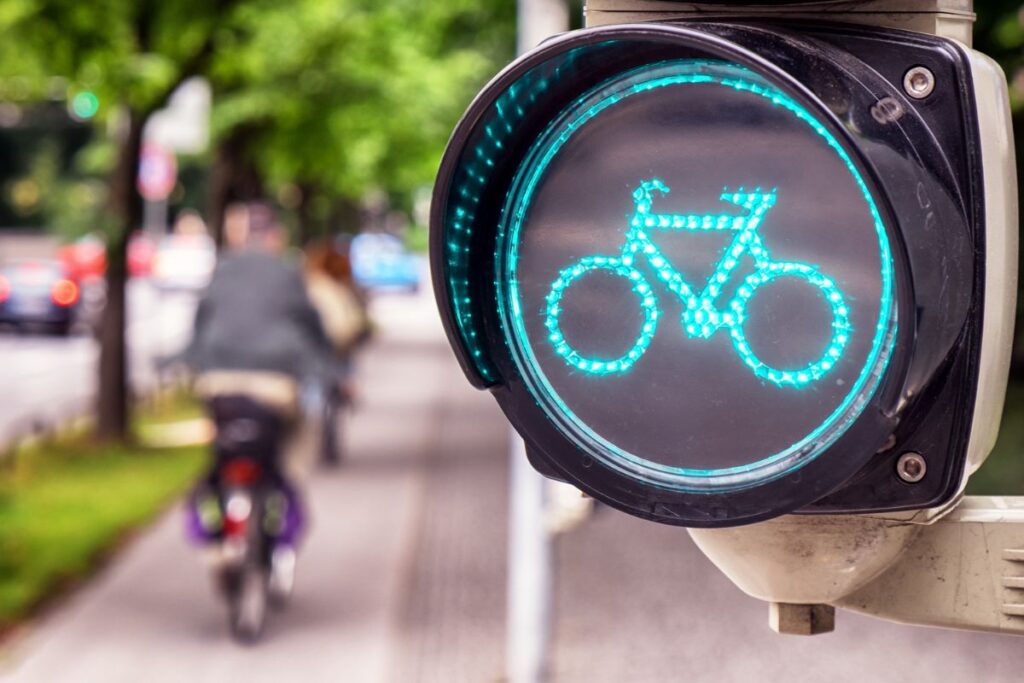
Uniform Vehicle Code and Bicycles
Under the Uniform Vehicle Code, bicycles are legally classified as vehicles. This isn’t just a label; it brings with it specific legal obligations for cyclists, aligning them with motor vehicle drivers.
As cyclists, we are bound by the same road rules as car drivers, from signaling our turns to yielding the right of way to pedestrians. This alignment in rules ensures safety for all and keeps traffic flowing smoothly.
Many U.S. states follow similar definitions, giving cyclists “all the rights and all the duties” of vehicle operators. This includes using the full lane when necessary for safety.
Traffic Laws and Bicycles
When we talk about traffic laws, bicycles are right there alongside cars and trucks. Bicycles are subject to the same rules and penalties as motor vehicles, a fact often overlooked by many. This includes obeying traffic signals, stopping at stop signs, and using the correct lanes.
Not following these rules can lead to legal consequences, similar to those faced by motorists, such as fines or points against a driver’s license.
For cyclists, understanding and adhering to these laws is crucial, not just for legal compliance but also for maintaining safe and respectful road sharing.
In several cities, cyclists can receive citations for running red lights or riding against traffic. These violations contribute to crash risks, especially at intersections. Research shows that design improvements such as protected lanes can reduce bicycle crashes by up to 53% (Jeihani et al., 2025).
Bicycles in Different Jurisdictions
State-Specific Regulations
Bicycle laws can vary significantly from one state to another. In some places, bicycles are given the full status of vehicles, with all accompanying rights and responsibilities.
However, other regions might have unique regulations. For example, certain states require bicycles to have bells or lights for night riding, while others have specific helmet laws that apply only to cyclists.
It’s important for cyclists to be aware of these variations, especially when traveling or cycling in a new area.
Many states also have “three-foot passing laws,” requiring motorists to give cyclists at least three feet of clearance when overtaking.
International Perspectives
Globally, the treatment of bicycles under the law can differ widely. In some European countries, bicycles are integrated into urban planning, with extensive bike lanes and laws that favor cyclists.
In contrast, other countries might have less developed infrastructure and laws for cycling, focusing more on motor vehicle traffic. These differences reflect varying cultural attitudes towards cycling and its role in transportation and urban living.
As a cyclist, understanding these international perspectives can be enlightening, especially for those who plan to cycle in different countries.
The Netherlands and Denmark use road systems where bicycles legally function as vehicles but benefit from priority lanes and cyclist-first intersection designs, reducing conflict points and injuries.
Safety Considerations for Cyclists
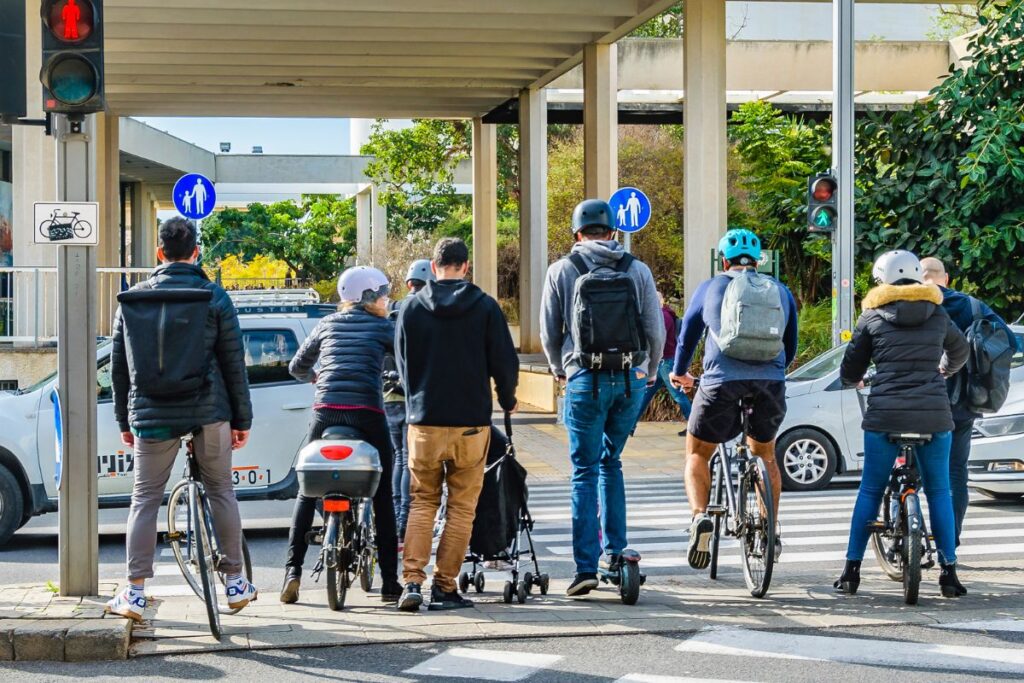
Comparing Bicycles with Pedestrians and Motor Vehicles
Bicycles bridge the gap between pedestrian speed and motor vehicle speed. They’re faster than walking but usually slower than cars, creating unique safety challenges.
Cyclists need to be agile enough to navigate around pedestrians, yet visible and predictable to motor vehicle drivers. This speed difference can lead to safety risks, especially in areas where bike lanes are absent or traffic is heavy.
Injury research shows that cyclist crashes at multilane roundabouts are more common without separated cycle tracks, reinforcing the need for protected design (Poudel & Singleton, 2021).
Best Practices for Safe Cycling
For cyclists, safety is paramount. Here are some best practices:
- Visibility: Always ensure you’re visible to others, especially in low-light conditions. Use lights and reflective gear.
- Helmets: Wearing a helmet can significantly reduce the risk of head injuries.
- Signal Intentions: Use hand signals to communicate your turns and stops to others.
- Follow Traffic Laws: Obey traffic signals and signs, just like any other vehicle. This predictability helps prevent accidents.
- Stay Alert: Keep an eye out for road hazards, pedestrians, and vehicles. Avoid using headphones or mobile devices while riding.
- Maintenance: Regularly check your bike’s condition, especially brakes and tires, to ensure they’re in good working order.
Read also: When and How to Safely Enter a Bike Lane?
For more practical safety guidance, check:


Practical Implications for Cyclists
Responsibilities and Rights of Cyclists
As cyclists, being classified as vehicle operators grants us certain rights on the road. We have the right to occupy a lane, use bike lanes where available, and expect fair treatment from other road users.
However, with these rights come responsibilities. We must adhere to traffic laws, signaling turns, stopping at traffic signals, and yielding when required.
Safely navigating through traffic and being mindful of pedestrians are also part of our duties. By understanding and exercising these rights and responsibilities, cyclists contribute to safer roads for everyone.
Impact on Cycling Culture
Recognizing bicycles as vehicles has a significant impact on cycling culture. It elevates the status of cycling from a recreational activity to a legitimate form of transportation.
This classification can lead to better infrastructure, like dedicated bike lanes, and greater awareness among motorists about sharing the road with cyclists. It also fosters a sense of community and responsibility among cyclists, encouraging them to ride more conscientiously and advocate for their rights.
Why Bicycle Classification Matters for Safety
Research consistently shows that understanding bicycle-as-vehicle laws directly improves safety. Studies across the U.S. and Asia reveal that:
- Helmet laws increase helmet use and reduce fatality risk by up to 52% (Hyman & Ignacio, 2024).
- In Maryland, 80% of bicycle crashes resulted in injuries, highlighting the importance of clear roadway rights (Jeihani et al., 2025).
- Protected bicycle lanes and vehicle-turn conflict reduction measures significantly reduce crash rates (National Academies, 2024).
These findings show that legal clarity and infrastructure improvements depend heavily on the classification of bicycles as vehicles.
Conclusion: Is a Bicycle Considered a Vehicle?
Understanding is a bicycle considered a vehicle helps cyclists make safer decisions, assert their rights on the road, and follow traffic laws confidently. Knowing this legal classification improves coexistence between drivers and cyclists, reduces conflict, and supports safer, more efficient transportation for everyone.
References
Hyman, S. C., & Ignacio, R. (2024). Road traffic injury prevention: Bicycle. Current Trauma Reports, 10, 53–60. https://link.springer.com/article/10.1007/s40719-024-00274-y
Jeihani, M., Javid, R., & Sadeghvaziri, E. (2025). Investigating the effect of different bike lane types on bicyclists’ safety and behavior in Baltimore City. National Transportation Center, Morgan State University. https://rosap.ntl.bts.gov/view/dot/80393
National Academies of Sciences, Engineering, and Medicine. (2024). Design options to reduce conflicts between turning motor vehicles and bicycles: Conduct of research report. The National Academies Press. https://nap.nationalacademies.org/catalog/28289/design-options-to-reduce-conflicts-between-turning-motor-vehicles-and-bicycles
Poudel, N., & Singleton, P. A. (2021). Bicycle safety at roundabouts: A systematic literature review. Transport Reviews, 41(5), 617–642. https://ideas.repec.org/a/taf/transr/v41y2021i5p617-642.html