Key Takeaways: Cost to Bleed Brakes
- The cost to bleed brakes typically ranges from $20–$40 for DIY kits and $50–$100 per brake at a bike shop.
- Bleeding hydraulic brakes restores braking power by removing air that reduces efficiency and control.
- Regular brake bleeding can prevent costly brake failures and improve rider safety, especially on descents.
- DIY bleeding saves money over time, while professional service offers speed, precision, and peace of mind.
The cost to bleed brakes is one of the most common maintenance questions cyclists ask—especially when brakes start to feel soft, unresponsive, or unreliable during rides.
Bleeding your bike’s brakes might sound like a complicated process, but it’s one of those essential maintenance tasks that can save you from bigger headaches (and expenses) down the road.
Whether you’re a seasoned rider or just getting into the world of cycling, understanding the cost and process of bleeding brakes can keep your ride safe and smooth.
Need a Few Practical Extras for Your Next Ride?
Browse cycling-related clothing and simple bike accessories that may help with comfort, visibility, storage, or everyday riding.
Paid links. As an Amazon Associate we earn from qualifying purchases.
In this article, we’ll break down everything you need to know about this crucial aspect of bike maintenance, so you can make informed decisions that ensure your bike’s performance and your safety.

What Does It Mean to Bleed Brakes?
Bleeding brakes is a process that removes air bubbles trapped within the hydraulic brake system. Over time, these tiny bubbles can accumulate and reduce your braking power, making the brakes feel spongy or unresponsive.
When you bleed the brakes, you’re essentially flushing out the old brake fluid along with any trapped air and replacing it with new, air-free fluid. This process restores the firm, responsive feel of your brakes, ensuring you have maximum control while riding.
Why Is Bleeding Hydraulic Brakes Important?
Imagine you’re zooming down a steep hill and suddenly your brakes feel spongy or unresponsive—scary, right? That’s what happens when there’s air in the brake lines.
Air compresses far more than hydraulic fluid, which leads to inconsistent braking force. Regular brake bleeding maintains braking efficiency and reduces the risk of mechanical failure during high-load riding situations.
Properly maintained brakes are crucial for your safety, especially during high-speed descents or technical off-road riding.

How Much Does It Cost to Bleed Brakes?
The cost to bleed brakes can vary depending on several factors, such as whether you do it yourself or take it to a professional, the type of bike you have, and the region you’re in. Here’s a detailed breakdown of the potential costs:
1. DIY Bleed Kit Costs
- Basic Bleed Kits: $20 – $40
If you’re new to bike maintenance, a basic bleed kit is a great starting point. These kits typically include the necessary syringes, tubing, and brake fluid, along with a few extras like bleed blocks and gloves. They’re perfect for casual riders who want to save money by doing it themselves. A basic kit can usually handle multiple bleeds, making it a cost-effective option if you plan to maintain your brakes regularly. - Advanced Bleed Kits: $50 – $100+
For more experienced riders or those with high-end bikes, investing in an advanced bleed kit might be worth it. These kits often come with higher-quality syringes, precision tools, and premium brake fluid, which can make the bleeding process smoother and more efficient. Some advanced kits are specific to certain brake systems (like Shimano or SRAM), ensuring a perfect fit and better results.
2. Professional Service Costs
- Local Bike Shop: $50 – $100 per brake
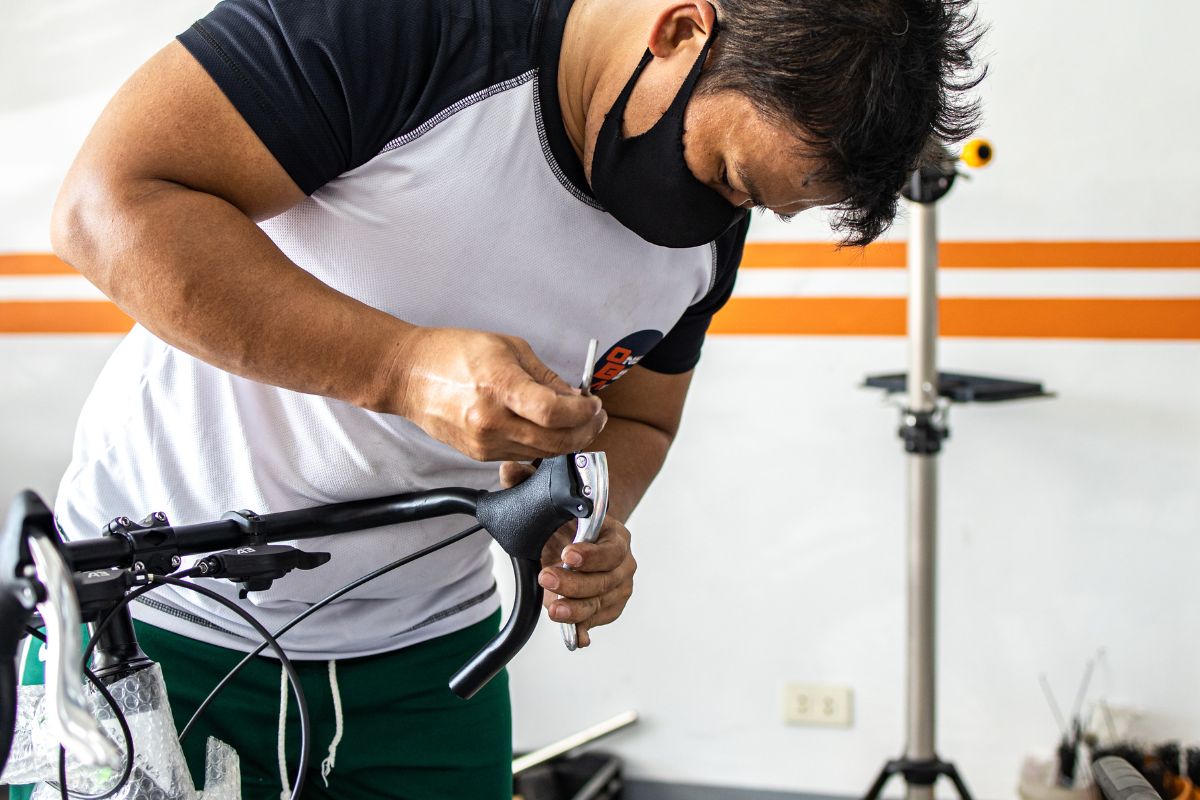
If you prefer to leave it to the experts, most local bike shops offer brake bleeding services. The price can vary based on your location and the type of brake system your bike has. Some shops may offer discounts if you’re having both front and rear brakes bled at the same time. Professional mechanics can also inspect other components of your bike during the service, ensuring everything is in top shape. - Mobile Bike Mechanics: $60 – $120 per brake
For added convenience, mobile mechanics will come to you and bleed your brakes on-site. This service usually costs a bit more due to the convenience factor. Mobile mechanics are often experienced professionals who can perform the bleed quickly and efficiently, so you can get back on the road or trail without the hassle of transporting your bike to a shop.
3. Additional Costs
- Replacement Parts: $10 – $50
During the bleeding process, you might discover that some parts need replacing, like brake pads, seals, or hoses. Worn or damaged components can affect the performance of your brakes, so it’s important to address these issues as they arise. Depending on the severity of the wear, these additional parts can add to the overall cost of the service. - Brake Fluid: $5 – $30
Whether you’re doing it yourself or going to a shop, brake fluid is a must-have. The price depends on the quality and brand you choose. Higher-end brake fluids often offer better heat resistance and longevity, making them a good investment for riders who tackle demanding trails or long descents.
Is the Cost to Bleed Brakes Worth It? (Value Breakdown)
From a cost-benefit perspective, DIY bleeding usually pays for itself after two to three services, while professional bleeding offers speed, accuracy, and reduced risk for riders short on time or mechanical confidence.
Safety research in off-road cycling indicates that brake system issues are among the top mechanical contributors to downhill accidents. Investing in proper brake maintenance directly reduces avoidable safety risks.
DIY vs. Professional Service: Pros and Cons
DIY Bleed:
- Pros:
- Cost-Effective: You can save money in the long run, especially if you ride frequently and need to bleed your brakes often. Once you’ve invested in a bleed kit, the cost per bleed is minimal, making it an economical choice for regular maintenance.
- Learning Experience: You’ll gain a deeper understanding of your bike’s braking system, which can be empowering and useful for future maintenance. The more you know about your bike, the better equipped you’ll be to handle issues that arise on the road or trail.
- Convenience: You can do it on your own schedule, without waiting for an appointment at a bike shop. If you’re comfortable with basic bike maintenance, bleeding your brakes can be done relatively quickly, allowing you to get back to riding sooner.
- Cons:
- Initial Investment: You’ll need to buy a bleed kit, and possibly other tools if you don’t have them already. While the upfront cost might be higher than a single professional service, the kit will pay for itself after a few uses.
- Risk of Mistakes: If you’re not confident in your skills, there’s a chance you could introduce more air into the system, making the problem worse. Improperly bled brakes can lead to reduced performance or even brake failure, so it’s crucial to follow the instructions carefully and take your time.
Professional Service:
- Pros:
- Expertise: You’re paying for the experience and knowledge of trained mechanics who can spot and fix issues you might overlook. Professional mechanics have the tools and skills to bleed your brakes quickly and effectively, ensuring optimal performance.
- Time-Saving: No need to spend your weekend tinkering with your brakes; just drop off your bike and pick it up when it’s ready. For busy riders, this can be a major advantage, allowing you to focus on enjoying your rides instead of maintaining your bike.
- Guarantee: Many shops offer a warranty on their work, giving you peace of mind. If anything goes wrong after the service, you can bring your bike back to the shop for adjustments or corrections at no extra cost.
- Cons:
- Cost: Professional services are more expensive, especially if you need to bleed both front and rear brakes. Depending on the shop, you might also face additional charges for parts or specialized brake fluid.
- Scheduling: You might have to wait a few days for an appointment, depending on how busy the shop is. If you rely on your bike for daily commuting or weekend rides, this could be inconvenient.
When Should You Bleed Your Brakes?
Knowing when to bleed your brakes is key to maintaining optimal performance. Here are some signs it might be time to get the job done:
- Spongy or Soft Brake Lever: If your brake lever feels squishy or takes more effort to engage, air might be in the lines. This is often the first sign that your brakes need attention.
- Longer Stopping Distance: If it takes longer to stop than usual, it’s a sign your brakes aren’t performing well. This can be particularly dangerous in high-speed situations or on technical terrain where precise braking is essential.
- Regular Maintenance: For regular riders, bleeding the brakes once or twice a year is a good rule of thumb, even if there are no apparent issues. Preventive maintenance can help you avoid unexpected problems and keep your bike performing at its best.
Maintenance studies show that fluid contamination and air ingress accumulate gradually, meaning performance loss often occurs before riders notice obvious symptoms.


Conclusion on the Cost to Bleed Brakes
Bleeding your brakes is a vital maintenance task that shouldn’t be overlooked. Whether you decide to tackle it yourself or take your bike to a professional, knowing the costs and understanding the process will help you make an informed decision.
A well-maintained brake system not only ensures a smooth ride but also keeps you safe on the road. By regularly checking and bleeding your brakes, you can enjoy your rides with confidence, knowing that your bike will respond exactly as you need it to when it matters most.
Related Brake Guides
If you’re comparing brake systems or deciding whether bleeding applies to your bike, these guides may help:
- Disc brakes vs rim brakes
- Mechanical vs hydraulic disc brakes
- Mountain bike brake types
- U brakes vs V brakes

FAQs: The Cost to Bleed Brakes
1. How often should I bleed my bike’s brakes?
It depends on how often you ride and under what conditions. As a general rule, aim to bleed your brakes once or twice a year, or whenever you notice a decline in braking performance.
2. Can I bleed my brakes without a bleed kit?
Technically, yes, but it’s not recommended. A bleed kit contains the necessary tools to do the job properly and safely. Without a kit, you risk introducing more air into the system or damaging components.
3. What happens if I don’t bleed my brakes?
Over time, air in the brake lines can reduce braking efficiency, leading to longer stopping distances and potentially unsafe riding conditions. In severe cases, you could experience brake failure, which could lead to accidents or injuries.
4. Is brake bleeding necessary for all types of bikes?
Brake bleeding is specifically for hydraulic brake systems, which are common on higher-end mountain and road bikes. Mechanical brakes, which use cables, don’t require bleeding but do need regular adjustment and maintenance.
References
Cheng C-Y, Saputra I, Shi C-E, Wang C-H. (2024). Efficiency enhancement of bicycle anti-lock braking systems (ABS): Design and optimization of solenoid actuators through finite element analysis and performance simulation. Advances in Mechanical Engineering. 10.1177/16878132241281238
Jaber, A., Juhász, J., & Csonka, B. (2021). An Analysis of Factors Affecting the Severity of Cycling Crashes Using Binary Regression Model. Sustainability, 13(12), 6945. https://doi.org/10.3390/su13126945