Key Takeaway
- Learning to ride a bike is possible at any age with the right mindset, safety gear, and practice.
- Adults should focus on patience and balance, while kids benefit from structured methods such as balance bikes.
- Research shows balance bikes help kids learn almost 2 years earlier than training wheels, and regular physical activity speeds up cycling mastery.
- Biking offers health benefits, eco-friendly transportation, and lifelong adventure opportunities.
Learning to ride a bike can feel intimidating—whether you’re starting as an adult or teaching your child—but it’s one of the most rewarding skills you’ll ever learn.
For adults, the challenge often lies in fear of falling or balance issues, while for kids, the key is confidence and practice. With the right guidance, patience, and a safe environment, anyone can master bike riding and enjoy the freedom and joy it brings.
Biking isn’t just a hobby—it’s an eco-friendly mode of transportation, a fun way to stay fit, and a gateway to exploring your surroundings. Families use it for bonding, adventurers use it to explore new terrain, and commuters rely on it for affordable, sustainable travel.
Need a Few Practical Extras for Your Next Ride?
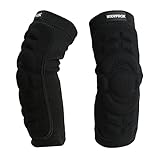
Browse cycling-related clothing and simple bike accessories that may help with comfort, visibility, storage, or everyday riding.
Paid links. As an Amazon Associate we earn from qualifying purchases.
If you never had the chance or were too afraid to learn how to bike, there’s no time like the present to try it. This guide will help beginners learn the basics of biking.

For Adults: Learning to Ride a Bike
Before you start your bike riding journey, remember two essential things:
- Be patient. There may be falls, stumbles, and frustration before you get the hang of it.
- Don’t give up. Riding a bike takes practice, but every attempt builds confidence and skill.
Whenever you feel tired or overwhelmed, take breaks and return later. Shorter sessions with frequent rest can help you progress faster without burnout.


Getting Ready To Bike
Before you start biking, make sure you:
Find A Bike That Fits You
The best bike for you fits your body size and type. A comfortable bike is simpler to navigate. It should be comfortable to ride and shouldn’t require too much stretching or leaning. Mount your bike so that both feet flatly touch the ground and your crotch is higher than the frame by a few inches.
👉 Need help sizing? Try our Bike Frame Size Calculator.
Have A Good-fitting Helmet
Wearing a helmet is essential. It should fit snugly and securely on your head without being uncomfortable.
Have A Safe Place to Practice
Choose a flat, open place without obstacles and easy access to help if needed.
Gets Familiar with the Gears
Make sure you’re familiar with the brakes and shifting gears before you get started. You don’t have to master it immediately, but having a good sense of how it works is essential.
Remove the Pedals Before You Start
Doing so will make it easier for you to learn how to balance.


Mastering the Basics
Getting on and off Your Bike
After you set up your bike, get comfortable with mounting and dismounting it. To make things easier, stand on one side of your bike and lean it towards you before straddling it. Repeat this several times until you feel comfortable and confident.
Learn to Coast Sans the Pedals
Once you’re comfortable with mounting and dismounting your bike, start to get a sense of balance. Start by practicing braking, coasting, and turning in an open area. Make sure the brakes work properly before you start coasting.
Learn to Steer While Coasting
Now that you know the basics of steering, it’s time to practice. Try making turns and shifting your weight while coasting. Remember to keep your body upright. Look up and forward toward where you’re going. Place your feet on the ground to help you stay balanced.
Get on Your Bike and Pedal!
Now you’re ready to start pedaling. Put the pedals back in place and get into a comfortable and relaxed position. Keep your feet on the pedals and start to move forward. Remember to push down rather than pull up as you pedal.
Tips When Pedaling:
- Keep your gaze up to maintain balance. Looking down at your feet can throw off your balance.
- If you can’t find the pedals immediately, take a step down, and don’t freak out.
Once you’re comfortable with steering, balance, and shifting gears while coasting, start pedaling. Start slow and never rush, so you keep your balance. As you gain more confidence, start pedaling faster and shift into a higher gear.
Steering and Turning
Turning may feel tricky at first. Always slow down before turns, lean slightly toward the direction you’re going, and stay relaxed. Over time, steering becomes second nature.

Teaching Kids To Ride a Bike
Children often learn faster than adults because they lack fear and hesitation. The best age to start teaching is usually between 4 and 6 years old.
Steps to teach kids:
- Start with a balance bike or remove pedals from a regular bike.
- Teach mounting, braking, coasting, and steering before pedaling.
- Once confident, add pedals.
- Encourage frequent practice—it’s the fastest way to learn.
- Stay patient, positive, and supportive.
Avoid holding the handlebars when helping your child; instead, support under their arms or torso to prevent disrupting balance.
Research Insights: What Science Says About Learning to Ride a Bike
- Physical activity matters: A global survey found kids who exercise daily learn to cycle earlier (average 5.7 years) compared to those who exercise less than twice a month (7.5 years). Birth order also plays a role—last-born children tend to learn earlier than only children (Mercê et al., 2021).
- Balance bikes vs. training wheels: Research shows kids using balance bikes learn independent cycling at around 4 years old, nearly 2 years earlier than those who start with training wheels (Mercê et al., 2022).
- Developmental benefits: Learning to ride supports gross motor skills, spatial awareness, confidence, and social interaction, contributing to overall growth.
- Milestones: Push bikes (18 months), tricycles (3 years), training wheels (4 years), independent two-wheel biking (~5 years) (ABC Pediatric Therapy, 2020).
- Ongoing skill-building: Even after initial mastery, children continue improving cycling skills until around 12 years old, highlighting the value of regular riding (Zeuwts et al., 2020).
Extra Benefits of Learning to Ride a Bike
- Health and Fitness: Riding burns calories and strengthens muscles. Curious how much? Use our Calories Burned Cycling Calculator.
- Eco-Friendly Transport: Cycling reduces carbon footprint.
- Adventure and Freedom: A bike expands your world, letting you explore neighborhoods, trails, and group rides.

Common Mistakes Beginners Make
- Looking down instead of forward.
- Rushing pedaling without mastering balance first.
- Using the wrong bike size.
- Skipping safety gear.
- Giving up too quickly.
FAQs
Is it hard to learn to ride a bike as an adult?
No. Adults may take longer due to fear of falling, but with patience and balance practice, most adults learn successfully.
What age is best to teach kids to ride?
Between 4–6 years old, though kids can start practicing balance earlier with push bikes.
How long does it take to learn to ride a bike?
Anywhere from a few hours to a few weeks depending on age, confidence, and practice frequency.
Final Thoughts on Learning to Ride a Bike
Learning to ride a bike is one of the most empowering skills you can gain, regardless of age. It blends exercise, freedom, and eco-friendly commuting with fun and adventure. Whether you’re an adult finally finding balance or a parent teaching your child, the journey is worth it. Get started today—you’ll be pedaling into a healthier, happier lifestyle in no time.
Read also: best bmx bikes for starters, best mountain bike for beginners
References
Mercê, C., et al. (2021). Learning to cycle: Are physical activity and birth order related to the age of learning? International Journal of Environmental Research and Public Health, 18(11), 5821. https://pmc.ncbi.nlm.nih.gov/articles/PMC8226627/
Mercê, C., et al. (2022). Learning to cycle: From training wheels to balance bike. Children, 9(2), 197. https://pubmed.ncbi.nlm.nih.gov/35162834/
ABC Pediatric Therapy. (2020). Bike riding milestones. Retrieved from https://www.abcpediatrictherapy.com/bike-riding-milestones/
Zeuwts, L. H. R. H., et al. (2020). Understanding the development of bicycling skills in children. Research in Developmental Disabilities, 103643. https://biblio.ugent.be/publication/8645389