Key Takeaways:
- Best Bikes & Gear: Fat bikes or wide-tire mountain bikes at 4–6 psi (fat) / 18–20 psi (MTB) for optimal traction.
- Ideal Conditions: Ride wet, compacted sand near the waterline at low tide for easier pedaling.
- Safety & Maintenance: Use consistent pedaling, minimal braking, and post-ride rinse & lubrication to protect your bike.
- Research Insights: Coastal cycling boosts local tourism and health, but thermal comfort and safety factors matter.
Biking on the beach is one of the most exhilarating ways to combine exercise with scenic coastal views—and it can be easier than you think once you know how to tackle loose sand, adjust tire pressure, and choose the right line along the shoreline.
Whether you’re hunting for fresh workout challenges or eco-friendly commuting routes, these expert tips will help you ride smoothly and safely.

Biking on the Beach
Biking on sand can be more difficult than biking on a paved surface. This is because sand is a loose surface, which means your bike tires can sink into it. This can make pedaling more difficult and can also lead to you losing control of your bike.
Need a Few Practical Extras for Your Next Ride?
Browse cycling-related clothing and simple bike accessories that may help with comfort, visibility, storage, or everyday riding.
Paid links. As an Amazon Associate we earn from qualifying purchases.
If you are new to biking, or if you are not used to biking on sand, it is important to start slow. Go at a pace that is comfortable for you and be sure to keep your balance.
Read also: Urban Biking 101: Tips, Tricks, and Gear for Commuting and Exploring the City

Tips for Biking on the Beach
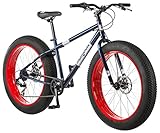
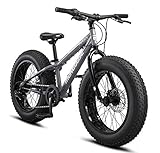
1. Fat bike is the way to go.
Fat bikes are perfect for biking on the beach because they have wide tires that can handle sand and other uneven terrain. They are also easier to balance on than a regular bike. Wide and knobby tires work best on sand, as they provide more traction and stability.


2. Use wide tires.
If you don’t have a fat bike, make sure to use wide tires on your bike. Wider tires provide more sand contact., which will help you keep your balance. Get a 1.75 to 2.50-inch tire for the best results.
3. Decrease your tire pressure.
Consider lowering your bike’s air pressure to give the tires a wider contact patch with the ground. If you have a fat bike, reduce it to 4-6 psi. For a mountain bike, lower it to 18-20 psi.
4. Use the big gears.
Lower gears help you pedal easier, but they also make it harder to keep your balance. This, on the other hand, reduces the likelihood that your rear wheel will become trapped in the sand. So, if you can, use the big gears and muscle your way through the sand.
5. Minimize braking and shifting.
When biking on sand, it is best to avoid braking and shifting as much as possible. This is because sudden movements can make your tires dig into the sand, which can cause you to lose control of your bike.
If you do need to brake, apply light pressure to the brakes and do it gradually. When shifting gears, make sure to do it slowly and smoothly.
6. Use counter pressure to change direction.
If you need to make a sudden turn, use counter pressure to help you. To do this, lean your body in the opposite direction of the turn. This will help you keep your balance and avoid tipping over.
7. Use consistent force when pedaling.
When pedaling, it is best to use a consistent force. Stay in a low gear and pedal at a steady pace. This will help you avoid sinking into the sand.
8. Lean back.
Avoid leaning forward as this can cause your front wheel to sink into the sand. Instead, lean back slightly and keep your weight over the rear wheel. This will help you maintain traction and avoid losing control of your bike.
9. Watch out for obstacles.
Beach conditions can change quickly, so it is important to be on the lookout for obstacles. Look out for things like rocks, shells, and branches.
10. Wear the right gear.
Make sure to wear sunscreen, a hat, sunglasses, and breathable clothing. You might also want to wear gloves to protect your hands from the sun.
You will also want to make sure your bike is in good condition before you head out. Check the tires, brakes, and chain to make sure everything is in working order.



Where to Bike on the Beach
If you’re new to biking on sand, aim to ride on wet sand near the waterline. This is because wet sand is more compacted and easier to ride on than dry sand.
It’s also easier to bike on packed soil with a thin layer of sand. Packed soil is found near trees and other shady areas.
When biking on the beach, avoid sloping sand as they can be loose and unstable. Stay near the waterline where the sand is more compacted.
Finally, low tide is the best time to ride on the beach as the waterline recedes and exposes more compacted sand.

Research & Contextual Insights
Although direct research on beach-specific cycling is limited, related studies offer valuable context:
- Sustainable Bicycle Tourism: Coastal cycling contributes to local economies and promotes health. A 2023 study in the Philippines found that bicycle tourism is efficient, affordable, and boosts local businesses—an outdoor trend accelerated by post-COVID-19 demand for socially distanced recreation.
- Built Environment & Cycling Behavior: In coastal cities, factors like path design, scenery, and amenities shape riders’ experiences. Research suggests that well-planned beachfront routes can significantly increase recreational cycling participation.
- Thermal Comfort on Shoreline Trails: Studies in Balneário Camboriú reveal that sky-view factor and microclimate conditions affect riders’ comfort at different times of day—a key consideration for planning beach rides around peak sun hours (Authors, 2022).
- Perceived Safety & Cycling Uptake: Environmental features that enhance perceived safety—like clear sightlines and gentle slopes—encourage more people, including families, to cycle. Although focused on children, these findings underscore the importance of context-specific design for beach-side paths.

Frequently Asked Questions
Can you ride a hybrid bike on the beach?
Yes, you can ride a hybrid bike on the beach, but it’s not ideal. Hybrid bikes are designed for paved roads and packed trails. The tires are not as wide as mountain bike tires, so they will sink into the sand more easily.
How do you ride a bike in the sand?
When riding a bike in sand, it is best to use wide tires and lower your tire pressure. You should also use the big gears and avoid braking and shifting as much as possible. Use counter pressure to turn and lean back when pedaling.
What kind of bike should I ride on the beach?
Mountain bikes and fat bikes are the best type of bike to ride on the beach. This is because they have wide tires that help them float on the sand.
Can you ride a bike on the beach at night?
Yes, you can ride a bike on the beach at night, but it is not recommended. This is because you will have a hard time seeing obstacles in the dark. If you do ride at night, make sure to wear reflective gear and use a headlight.
Conclusion: Biking on the Beach
Biking on the beach can be a great way to enjoy the outdoors. Just make sure to follow these tips to stay safe and have a good time.
Now that you know everything you need to about biking on the beach, get out there and enjoy the ride!
References
- International Journal of Applied Research in Tourism and Hospitality. (2023). Bicycle as a new tourism trend and transportation in the new normal. International Journal of Applied Research in Tourism and Hospitality, 1(1), 57–72. https://doi.org/10.52352/jarthy.v1i1.807
- Etminani-Ghasrodashti, R., Paydar, M., & Ardeshiri, A. (2018). Recreational cycling in a coastal city: Investigating lifestyle, attitudes and built environment in cycling behavior. Transportation Research Part D: Transport and Environment. https://www.sciencedirect.com/science/article/abs/pii/S2210670717314488
- Ghekiere, A., Van Cauwenberg, J., de Geus, B., Clarys, P., Cardon, G., Salmon, J., et al. (2014). Critical environmental factors for transportation cycling in children: A qualitative study using bike-along interviews. PLoS ONE, 9(9), e106696. https://doi.org/10.1371/journal.pone.0106696