Key Takeaway:
- Proactively addressing bike fit, protective gear, training, and route planning can significantly reduce common cycling injuries.
How can you prevent injury while cycling?
Cycling is a great way to stay healthy and fit, but it’s important to take precautions to prevent injuries.
Whether you’re tackling urban commutes or weekend trail rides, staying injury-free comes down to a few simple strategies that protect your body and keep you rolling.
Need a Few Practical Extras for Your Next Ride?
Browse cycling-related clothing and simple bike accessories that may help with comfort, visibility, storage, or everyday riding.
Paid links. As an Amazon Associate we earn from qualifying purchases.

Practical Tips to Prevent the Following Injury While Cycling
Knee Pain
One of the most common cycling injuries is knee pain. To prevent this, make sure your bike is the right size for you. The seat should be at a height that allows your leg to extend fully when pedaling, and the handlebars should be at a comfortable height so you don’t have to strain to reach them.
Stretching your glutes, hamstrings, and quads before you ride can also help prevent knee pain.
Saddle Sores
Saddle sores are caused by friction and pressure on the buttocks. To prevent them, make sure your bike seat is comfortable and properly padded. You may also want to invest in a pair of padded cycling shorts. Wearing chamois cream can also help reduce friction.
Neck Pain
Neck pain is often caused by poor posture while cycling. To avoid this, make sure you keep your head up and look ahead, rather than down at the ground. You may also want to adjust your handlebars so they’re at a comfortable height.
Wrist Pain
Wrist pain is caused by holding the handlebars in an unnatural position. To prevent this, make sure your handlebars are at a comfortable height and that you grip them lightly. You may also want to invest in a pair of padded gloves.
Handlebar Palsy
Handlebar palsy is a nerve injury that can be caused by holding the handlebars in an uncomfortable position for extended periods of time. To prevent this, make sure your handlebars are at a comfortable height and that you grip them lightly. You may also want to take breaks often to shake out your hands and arms.
Back Pain
To prevent this, make sure your bike is the right size for you and that you have a comfortable seat. Proper riding technique is also important. Avoid hunching over the handlebars and instead keep your back straight and your head up.
Strengthening your core muscles can also help prevent back pain.
Achilles Tendonitis
This is an inflammation of the tendon that attaches the heel to the calf muscle. It can be caused by pedaling with too much force. To prevent this, make sure you are using the proper pedaling technique and that your bike shoe is properly sized for you.
If your shoes are too large, your toes will rub against the front of the shoe and cause pain. If your shoes are too small, your feet will be cramped and you may get blisters.

Other Practical Tips to Prevent Injury While Cycling
1. Get your bicycle custom-fitted.
A good bike fit can help you avoid knee pain, back pain, and other issues. The perfect bike for your body size and type does not exist, but a bike that is close to the right size and has adjustable components can be made to fit you well.
2. Use the right gear.
Make sure you’re using the right gear for your terrain and riding style. If you’re riding on rough roads, consider using wider tires to help absorb the bumps. And if you’re going to be doing a lot of climbing, lower gears will make it easier on your knees.
Wearing a helmet is also important, even if you’re an experienced rider. A helmet can protect you from serious head injuries in the event of a fall.


3. Strengthen your muscles.
Strong muscles can help support your joints and prevent injuries. Incorporate some strength-training exercises into your routine, such as squats, lunges, and calf raises.
4. Increase your flexibility.
Stretching can help improve your range of motion and flexibility, which can help prevent injuries. Try to do some static stretches (holding a stretch for 30 seconds or more) after you ride.
5. Warm up before you ride.
Warming up before you ride will help increase blood flow to your muscles and prepare your body for exercise. Try riding at a slower pace for the first few minutes of your ride.
6. Cool down after you ride.
Cooling down helps your body recover from exercise and can prevent injuries. Slow down your pace for the last few minutes of your ride, and then do some static stretches.
7. Drink plenty of fluids.
Dehydration can lead to cramps and other issues, so it’s important to stay hydrated while you ride. Carry a water bottle with you on your rides, and drink before you feel thirsty.
8. Eat a balanced diet.
Eating a healthy diet can help improve your performance and recovery, and it can also help prevent injuries. Make sure you’re getting enough protein, carbohydrates, and healthy fats in your diet.



9. Get enough sleep.
Sleep is important for recovery, so make sure you’re getting enough rest. Most people need 7-8 hours of sleep per night.
10. Take breaks.
If you’re feeling fatigued, take a break. It’s better to rest for a few minutes than to push yourself too hard and risk an injury.
11. Lean over while riding.
Leaning forward while you ride helps with balance and control. It also helps prevent back pain and fatigue.
12. Use hand signals.
Using hand signals can help you communicate with other cyclists and motorists, and it can also help prevent accidents.

13. Release some of the air from the tires.
Letting some of the air out of your tires can help with traction and stability, which can prevent accidents.
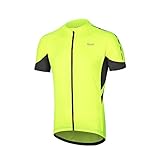
14. Wear reflective gear.
Wearing reflective gear makes you more visible to other people, and it can help prevent accidents.


15. Ride defensively.
Be aware of your surroundings and ride defensively to help prevent accidents. Obeying traffic laws, being predictable, and using hand signals can all help.

Research-Backed Strategies to Prevent Injury While Cycling
Numerous studies confirm additional best practices:
- Infrastructure Design Matters. Purpose-built bike lanes and obstacle-free paths can cut crash rates by up to 50% (Reynolds et al., 2009).
- Route Selection & Terrain Awareness. Downhill sections and poorly planned routes spike injury risk—plan rides on well-maintained roads or trails (Frühauf et al., 2020).
- Injury Patterns Guide Prevention. Abrasions and hematomas account for 40–60% of road cycling injuries; clavicle fractures appear in 6–15% of crashes. Overuse knee injuries (patellofemoral syndrome) require targeted strength work (Glowinski et al., 2025).
- Safety Culture & Education. Programs like UCI’s SafeR engage all stakeholders to track injuries and deploy preventive measures (Šuklje Büth et al., 2023).
- Experience Level Impacts Risk. Amateurs face higher injury rates than pros—gradual mileage build-up and skill drills can bridge that gap.
Conclusion on How Can You Prevent Injury While Cycling
By combining proper bike fit, protective gear, evidence-based training, and smart route choices, how can you prevent injury while cycling becomes simple: follow these proven tips, stay informed, and ride safely.
Read also: Urban Biking 101: Tips, Tricks, and Gear for Commuting and Exploring the City
References
Büth, C.M., Barbour, N. & Abdel-Aty, M. Effectiveness of bicycle helmets and injury prevention: a systematic review of meta-analyses. Sci Rep 13, 8540 (2023). https://doi.org/10.1038/s41598-023-35728-x
Reynolds, C.C., Harris, M.A., Teschke, K. et al. The impact of transportation infrastructure on bicycling injuries and crashes: a review of the literature. Environ Health 8, 47 (2009). https://doi.org/10.1186/1476-069X-8-47
Frühauf, Anika & Huter, M. & Weib, E. & Kopp, Martin. (2020). Accidents and Risk Related Behaviours in Downhill Mountain Biking in Regard to Trail Choice. Muscle Ligaments and Tendons Journal. 10. 274. 10.32098/mltj.02.2020.12.
Glowinski, S., Rzepczyk, S., & Obst, M. (2025). Trends in Bicycle Accidents and Injury Analysis in Poland: Insights from 2016 to 2023. Safety, 11(2), 32. https://doi.org/10.3390/safety11020032