Key Takeaway:
- The benefits of fat tire bikes include superior traction, stability, versatility across terrains, durability, and a more intense workout compared to standard bikes.
- They are ideal for adventure seekers, fitness riders, commuters, and all-weather cyclists.
- Fat bikes are growing in popularity because they blend fun, function, and freedom in one rugged package.
The benefits of fat tire bikes go beyond their oversized tires—they provide unmatched traction, stability, and versatility, making them a top choice for riders who want to explore beyond paved roads.
While road bikes excel on smooth asphalt and mountain bikes tackle rugged trails, fat bikes bridge the gap with the ability to roll through sand, snow, mud, and gravel.
For anyone buying a new bike (read our guide on buying a new bike), fat tire bikes are worth considering if you want one ride that can handle unpredictable terrain and give you a workout at the same time.
Need a Few Practical Extras for Your Next Ride?
Browse cycling-related clothing and simple bike accessories that may help with comfort, visibility, storage, or everyday riding.
Paid links. As an Amazon Associate we earn from qualifying purchases.
What are Fat Tire Bikes?
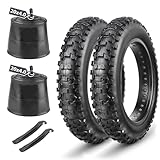
So, what’s a fat tire bike? Picture a regular bike, but with tires as thick as a hearty sandwich. These bikes, also known as “fat bikes,” have tires that are typically 3.8 inches or wider. They’re not a new invention, though. Fat tire bikes have been around since the 1980s, originally designed for bikers braving the icy trails of Alaska and the sandy paths of New Mexico.

Top Benefits of Fat Tire Bikes
Now, let’s dive into why these bikes are gaining popularity.
Enhanced Traction and Stability
First off, those wide tires aren’t just for show. They provide incredible traction, making it easier to navigate slippery or loose surfaces. Imagine walking on ice in regular shoes versus snow boots. That’s the kind of stability we’re talking about!
Versatility Across Different Terrains
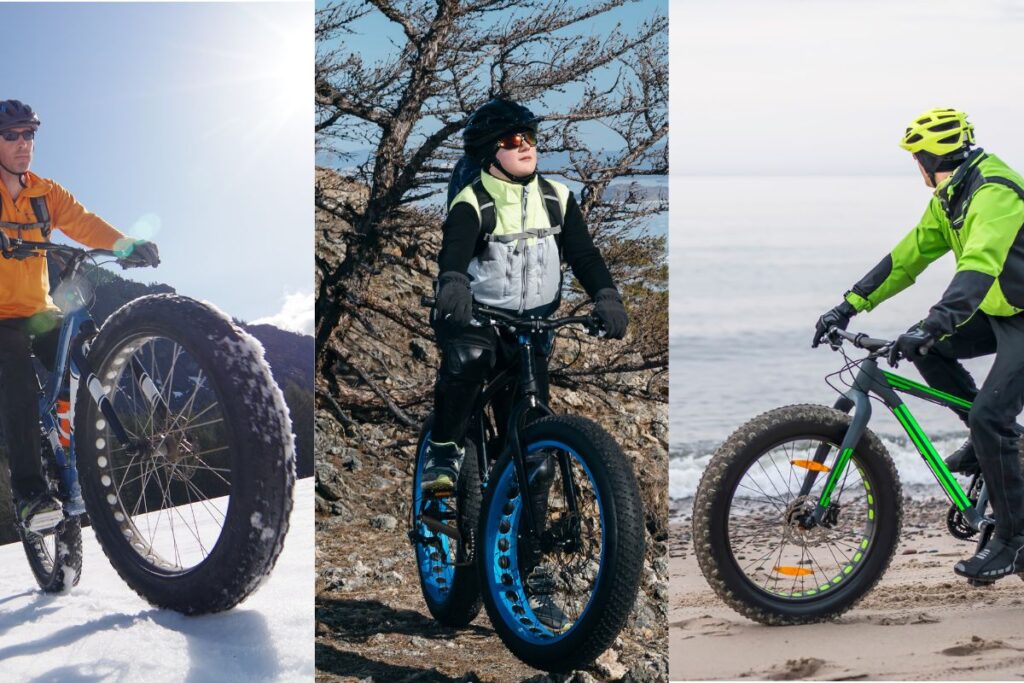
Speaking of ice, fat tire bikes are all-terrain champions. Whether it’s sand, snow, mud, or rocky trails, these bikes can handle it all. Picture this: you’re cycling on a beach, the sun setting, without a care in the world. That’s the freedom a fat tire bike offers!
Great Workout
Looking for a fun way to stay fit? Fat tire biking is a fantastic workout. It requires more effort to pedal, which means you burn more calories compared to regular biking. It’s like adding weights to your cardio routine!
Durability and Low Maintenance
Lastly, fat tire bikes are built to last. Their robust design can withstand harsh conditions, and they require less maintenance than regular bikes. No more frequent trips to the bike shop for minor repairs. Now, that’s a win-win!
Pros and Cons of Fat Tire Bikes
Pros:
- Superior grip and control on unstable terrain
- Year-round usability (snow, sand, mud, gravel)
- Fun and confidence-boosting for beginners
- Low maintenance compared to suspension-heavy MTBs
Cons:
- Heavier and slower on pavement
- Tires may feel sluggish for long city commutes
- Generally more expensive due to specialty parts
Who Should Consider a Fat Tire Bike?
So, who’s the perfect match for a fat tire bike? Well, if you’re an adventure-seeker who loves exploring different terrains, this bike is for you. But it’s not just for the thrill-seekers. Here’s a quick rundown:
- Fitness enthusiasts: If you’re looking to add some spice to your workout routine, fat tire biking is a great choice. It’s a fun, effective way to burn calories.
- All-weather riders: Come rain, snow, or shine, fat tire bikes can handle it all. If you’re not one to be deterred by weather conditions, this bike is for you.
- Off-road adventurers: Love exploring off-beaten paths? The fat tire bike’s superior traction and stability make it perfect for off-road biking.
Before you jump in, consider your fitness level and where you plan to ride. Fat tire biking can be more physically demanding, but don’t let that deter you. It’s all part of the fun!
How Fat Tire Bikes Compare with Other Bikes
| Feature | Road Bike | Mountain Bike | Fat Tire Bike |
|---|---|---|---|
| Tire Width | 23–32 mm | 2–3 in | 3.8–5 in |
| Terrain | Pavement | Trails, hills | Snow, sand, mud, gravel |
| Speed | Fastest | Moderate | Slower on pavement |
| Comfort | Low–medium | Medium | High (soft ride) |
| Best For | Racing, commuting | Trail riding | Adventure, versatility, fitness |

How to Choose a Fat Tire Bike
Ready to get your own fat tire bike? Here are some key factors to consider:
- Tire size: Fat tires can range from 3.8 to 5 inches or more. Wider tires provide better flotation on soft surfaces like snow and sand.
- Frame material: Common materials include steel, aluminum, and carbon fiber. Each has its pros and cons in terms of weight, durability, and cost.
- Budget: Fat tire bikes can vary in price. Determine your budget and find a bike that offers the best value for your money.
Before making a purchase, take the bike for a test ride. It’s the best way to see if it’s the right fit for you.
Read also:

Frequently Asked Questions about Fat Tire Bikes
How much do fat tire bikes cost?
Fat tire bikes can range from around $500 for entry-level models to over $2000 for high-end ones. The price depends on factors like the frame material, tire size, and brand.
What are the best brands for fat tire bikes?
Some popular brands known for their quality fat tire bikes include Surly, Salsa, Trek, and Specialized. Each brand offers a range of models to suit different needs and budgets.
Are fat tire bikes harder to ride?
Fat tire bikes can be more physically demanding due to the wider tires, but they’re not necessarily harder to ride. In fact, their enhanced stability can make them easier to handle on tricky terrains.
Can fat tire bikes be used on roads?
Absolutely! While they shine on off-road terrains, fat tire bikes can also be ridden on roads. However, keep in mind that the wider tires can make for a slower ride compared to regular road bikes.
Are fat tire bikes good for beginners?
Yes, the stability and traction of fat tire bikes can make them a great choice for beginners. They can be more forgiving on uneven surfaces, which can be helpful for those new to biking.
How to maintain a fat tire bike?
Fat tire bikes are pretty low maintenance. Regular checks should include tire pressure, brake function, and chain lubrication. After rides on sandy or muddy terrains, a good clean is recommended to keep your bike in top shape.
Can I use a fat tire bike for commuting?
You sure can! Fat tire bikes can handle most surfaces, making them a versatile choice for commuting. Just remember, the wider tires may make your commute a bit slower.
Are fat tire bikes slower?
Due to their wider tires, fat tire bikes can be slower on hard surfaces like asphalt compared to regular bikes. However, on soft terrains like sand or snow, they can outperform regular bikes.
What’s the weight of a typical fat tire bike?
Fat tire bikes are typically heavier than regular bikes due to their larger tires and more robust frames. They can weigh anywhere from 33 to 40 pounds, depending on the model.
Can I use a fat tire bike for racing?
Yes, there are even races specifically designed for fat tire bikes! These races often take place on snow or sand, showcasing the unique capabilities of these bikes.
Conclusion on Benefits of Fat Tire Bikes
In summary, the benefits of fat tire bikes make them a strong choice for riders seeking adventure, fitness, and year-round usability. They may not be the fastest bikes on the road, but they make up for it with stability, durability, and freedom across almost any terrain.
Reference
- Grappe, F., Candau, R., Belli, A., & Rouillon, J. D. (1999). Aerodynamic drag in field cycling with special reference to the Obree’s position. Ergonomics, 42(10), 1361–1370. https://www.researchgate.net/profile/Alain-Belli/publication/233457106_Aerodynamic_drag_in_field_cycling_with_special_reference_to_the_Obree’s_position/links/0f3175321c85064880000000/Aerodynamic-drag-in-field-cycling-with-special-reference-to-the-Obrees-position.pdf
- Monz, C, Kulmatiski, A. (2016). The emergence of “fat bikes” in the USA: Trends, potential consequences and management implications. Journal of Outdoor Recreation and Tourism, 15. 20-25.
- Barber, J. (2014). Exercise intensity and performance aspects of snow biking through the use of a fat bike. American Trails. https://www.americantrails.org/resources/exercise-intensity-and-performance-aspects-of-snow-biking-through-the-use-of-a-fat-bike