Key Takeaway:
- Knowing how to measure a bike frame ensures comfort, efficiency, and injury prevention.
- Use inseam and arm length measurements along with frame geometry (top tube, seat tube, reach, stack) for accuracy.
- Bike frame size charts and test rides remain essential for confirming the right fit.
Knowing how to measure bike frame is essential if you want the right fit, whether you’re buying a new bike or checking the comfort of your current ride.
Frame size affects posture, power transfer, and overall cycling experience.
A poorly sized frame can lead to back pain, knee strain, or inefficient riding.
Need a Few Practical Extras for Your Next Ride?
Browse cycling-related clothing and simple bike accessories that may help with comfort, visibility, storage, or everyday riding.
Paid links. As an Amazon Associate we earn from qualifying purchases.
A bike can be among the best investments you can make in your life because it is a form of transportation that gets you to exercise, saves you money on gas, and helps the environment.
Cycling is also a fun, healthy, and scenic way to explore your city or town. Plus, owning a bike helps you stay mindful of your health and fitness goals.
Measuring your frame is the best way to ensure you get the right size bike and have a comfortable, safe ride. However, note that bike manufacturers measure bikes differently. Some use a seat tube length, while others measure top tubes or wheelbase.
Related posts:
- 24 inch bike for what size person
- 26 inch bike for what size person
- 27.5 inch bike for what size person

Measuring A Bike Frame: What You’ll Need
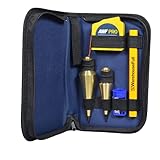
The following tools will help you measure your frame and get the right size frame to fit your body:
- A tape measure
- A long spirit level
- A plumb line
- A clinometer
A clinometer is a device used to measure angles. You can use this to measure the angle between your torso and legs when sitting on the seat or the angle of the head tube from horizontal. You can download a digital clinometer app if you don’t have one.
If you don’t have a long spirit level, use a yardstick and a clinometer app. An alternative for a plumb line is a piece of string and a weight.
Once you have all the tools, you can start measuring your frame.



Step-by-Step: How to Measure a Bike Frame Size
Before you start, use metric units when possible. This way, you can compare the measurements to manufacturers’ bike frame size charts. Here’s how to measure the following parts of the bike frame:

Top Tube Length
This is the distance between the center of the seat tube and the center of the head tube. Some bikes have horizontal top tubes, while some will have a slope. Some geo charts call the top tube length the virtual top tube or the effective top tube length.
The reach is the distance you’ll have to lean forward to grab the handlebar, and it’s affected by the length of the top tube. Buying a too large bike means you can only adjust its reach a little. Buying one slightly too small only requires raising the seat.
The top tube length will influence the reach or distance you need to reach forward to grab the handlebar. Buying a too large bike means you can only adjust its reach a little. Buying one slightly too small only requires raising the seat.
Pro tip: Place a spirit level on top of the top tube, and measure from one end to the other. Ensure the spirit level is parallel to the tube’s surface and not tilted in any direction.
Seat Tube Length
The seat tube length is the distance from the center of the bottom bracket, through the center of the seat tube, to the top of the seat tube. This measurement is important for finding the right size frame, as it indicates how tall of a bike you need. Measure from the center of the bottom bracket, not the outside.
Reach and Stack
The reach is the horizontal distance between the two support points. To measure the reach and stack, use the clinometer app or spirit level and measure the angle between your torso and legs when sitting on the seat. Make sure to measure both reach and stack to get the right fit.

Wheelbase
The wheelbase is the distance between the front and rear wheels. To measure it, place a spirit level on the center of the top tube. Measure from the front wheel’s center to the rear wheel’s center.
Chainstay Length
The chainstay length is the distance from the center of the bottom bracket to the rear wheel axle. Measure this part carefully and move on to measuring the front center.
Front Center
Get the measurement from the axle to the front dropout center. This is the length of the space between the axle and the center of the head tube.
Bottom Bracket Height
Finally, look for the distance between the center of the bottom bracket shell and the ground. Measure from the ground up. Ensure your spirit level is placed horizontally on the bottom bracket shell.
So there you have it! With all that measuring done, you should be able to determine your exact bike frame size and make an informed purchase.

Advanced Bike Frame Measurements
Head Tube and Seat Tube Angles
Using your clinometer app or a spirit level, measure the head tube angle from the horizontal and the seat tube angle. This is especially crucial when buying a sloping top tube bike.
Bottom Bracket Drop
Next, you have to know the difference between the crank axle’s centreline and the wheel axles’ height. Start by finding the height of the bottom bracket and that of the rear axle. Next, subtract one from the other and take note of the result.

Additional Sizing Factors Backed by Research
The most critical measurement for determining bike frame size is the rider’s inseam length, measured by standing barefoot with legs slightly apart and placing an object (like a book) between the legs to simulate sitting on a saddle. The distance from the top edge of the object to the floor gives the inseam length, which correlates to the seat tube length on the bike frame (Sunmono, 2024).
Arm length is also key in determining reach, influencing posture and comfort. It is measured from the bony tip of the shoulder to the wrist (Sunmono, 2024).
Traditional road bike frame sizing uses seat tube length (distance from the center of the bottom bracket to the top of the seat tube), usually labeled in centimeters. However, this is becoming less accurate with modern bike geometry, leading some manufacturers to use size approximations and alpha sizing (XS, S, M, L) rather than strict tube length (Ridleys, 2024).
Frame size charts are often based on rider height and inseam, and vary by bike type. For example, mountain bike frame sizes range approximately from 33–56 cm for heights 150–195 cm, while road bike frame sizes often range from 47–64 cm for similar height ranges (Sunmono, 2024).
In engineering research, Finite Element Method (FEM) analysis is used to study stresses and frame durability across designs and materials (Satrijo, Kurdi, & Wijaya, 2022; Covill, 2016).
Bike Frame Size Charts (Road vs. MTB vs. Gravel)
| Rider Height (cm) | Rider Height (ft/in) | Inseam Length (cm) | Road Bike Frame Size | Mountain Bike Frame Size | Gravel/Hybrid Bike Frame Size |
|---|---|---|---|---|---|
| 150–160 cm | 4’11”–5’3” | 65–73 cm | 47–49 cm (XS) | 33–38 cm (XS) | 47–49 cm (XS) |
| 160–168 cm | 5’3”–5’6” | 70–76 cm | 50–52 cm (S) | 38–41 cm (S) | 50–52 cm (S) |
| 168–175 cm | 5’6”–5’9” | 74–79 cm | 53–54 cm (M) | 42–46 cm (M) | 53–54 cm (M) |
| 175–183 cm | 5’9”–6’0” | 77–84 cm | 55–57 cm (M/L) | 44–49 cm (M/L) | 55–57 cm (M/L) |
| 183–191 cm | 6’0”–6’3” | 82–88 cm | 58–60 cm (L) | 49–52 cm (L) | 58–60 cm (L) |
| 191–195 cm | 6’3”–6’5” | 86–92 cm | 61–63 cm (XL) | 52–56 cm (XL) | 61–63 cm (XL) |
| 195+ cm | 6’5”+ | 90+ cm | 64+ cm (XXL) | 56+ cm (XXL) | 64+ cm (XXL) |
- Road Bikes: 47–64 cm (XS–XL, based on inseam/height)
- Mountain Bikes: 33–56 cm (XS–XL, based on inseam/height)
- Gravel/Hybrid Bikes: Usually follow road geometry but may differ in reach and stack.
👉 For a quick and accurate match, try our Bike Frame Size Calculator.

Testing Your Bike Fit
Before purchasing your bike, take it for a test ride. This will guarantee that you’re comfortable on the bike and that the sizing is right for you. Pay attention to any pain or discomfort while riding – if it doesn’t feel right, it probably isn’t!
When adjusting the seat, the best height is where your leg is bent slightly when pushing the pedal down. This will help you get an effective and efficient power transfer when cycling. If you are still uncomfortable when reaching the pedals, try other heights until you find the right one for you.
In addition to a test ride, also make sure you check out reviews of the bike model you’re looking at and get a feel for how satisfied previous owners were.
Common Mistakes When Measuring a Bike Frame
- Only checking height without considering inseam.
- Ignoring reach and stack for upper body comfort.
- Assuming sizing is universal across all brands.
- Forgetting to compare measurements with manufacturer charts.
Extra Tip: DIY Gear Add-On
If you’re into customization, you might also like our guide on making your own DIY Bike Frame Bag to carry essentials while commuting or on long rides.
Conclusion on How to Measure Bike Frame
Finding the right bike frame size is essential for comfort, performance, and long-term cycling enjoyment. By learning how to measure a bike frame correctly, you can avoid discomfort, improve efficiency, and confidently choose the perfect ride.
References
Covill, D. (2016). An assessment of bicycle frame behaviour under various load cases. ScienceDirect. https://www.sciencedirect.com/science/article/pii/S1877705816307160
Ridleys. (2024). Road bike size chart & fit guide. https://www.ridleys.com/articles/road-bike-size-chart-pg1609.htm
Satrijo, D., Kurdi, O., & Wijaya, S. (2022). Static linear stress analysis of road bike frame design using finite element method. Mechanical Engineering Department, Diponegoro University. https://www.atlantis-press.com/article/125969740.pdf
Sunmono. (2024, November 25). Bike frame size guide: Find your perfect fit. https://www.sunmono.com.au/blog/bike-frame-size-guide/