Key Takeaways
- Learn how to measure inseam and stand-over height to find the perfect bike sizes for women.
- Understand frame, wheel, and handlebar sizing differences between road, hybrid, and mountain bikes.
- Discover women-specific fit tips—saddle width, handlebar width, and stem adjustments—for optimal comfort and performance.
Have you ever tried riding a bike that is too big for you? You know it’s not fun! It’s hard to balance, and the pedals feel miles away. That’s why we made this article on bike sizes for women.
Please keep reading to learn how it works! In this article, you’ll get help finding your ideal bike size and avoiding the hassle of riding a bike that doesn’t fit!

Where Should I Start?
Women’s bike size charts are organized by frame size, wheel diameter and height. To begin finding the right size for you, measure your inseam or stand over a bike and measure the distance between your body and the top tube of the bike. This measurement is called “stand over height” or “top tube length” and will help you to determine the size of frame that is right for you.
Need a Few Practical Extras for Your Next Ride?
Browse cycling-related clothing and simple bike accessories that may help with comfort, visibility, storage, or everyday riding.
Paid links. As an Amazon Associate we earn from qualifying purchases.
Once you have determined your frame size, then you can look at wheel size.
Furthermore, the sizing for unisex bike is different from the sizing for women’s bikes, they typically follow the men’s bike sizes. So make sure you’re looking at a chart designed specifically for women’s bike sizes. Generally, a women’s bike will have a smaller frame than a unisex bike and the handlebar is closer to the rider for better ergonomics.
Hybrid Bikes
Start with a hybrid bike if you are a newbie. Hybrid bikes combine features from both road bikes and mountain bikes. They are lighter than pure road bikes but not as heavy as mountain bikes. They’re also easier for beginners to ride over long distances and great to use as commuter bikes.
Mountain Bike
We recommend choosing a high-quality mountain bike if you’re an intermediate cyclist. Choose a mountain bike with all technical features like larger wheels and wide tires. But make sure it still offers comfort on rough terrain if this sounds like what appeals most.

Bike and Sizes
- The size of road bike wheels are based on wheel diameter. A hybrid bike with 700c wheels (hi-ten) will be similar in bike size to an old-school racing or touring bike with 26″ wheels. But remember that they’ll have different effective top tube lengths (ETT).
- Mountain bikes have different geometry from road bikes. For example, a 650b mountain bike size may have an ETT of about 67cm, whereas a classic MTB will measure around 70cm ETT. It is suggested that you go up one bike size for comfort if you ride both styles of MTB regularly. It’ll be more comfortable, especially if you find between sizes on each rig type. It’s also great when riding downhill trails with more room around tight turns!
Choosing the Right Bike Size

Choosing the right bike size is very important. If you choose a women’s bike that’s too small, it could be uncomfortable and hard to ride. You also risk getting injured or falling off the bike while maneuvering it.
If you choose a bike that’s too big, this can lead to discomfort over time and cause fatigue, even for short rides. A women’s bike that’s too big will also stress your body when riding it.
Here’s a women’s bike size chart for your reference.
Women’s Road Bike Size Chart
| Rider’s Height | Frame size (in cm) | Frame size |
|---|---|---|
| 4’10” – 5’1” | 44-46 cm | XXS |
| 5’1” – 5’3” | 47-49 cm | XS |
| 5’3” – 5’5” | 50-52 cm | S |
| 5’5” – 5’8” | 53-55 cm | M |
| 5’8” – 5’10” | 55-57 cm | L |
Women’s Mountain Bike Size Chart
| Rider’s Height | Frame size (in inches) | Frame size |
|---|---|---|
| 4’10” – 5’2” | 13 – 14 in | XS |
| 5’2” – 5’6” | 15 – 16 in | S |
| 5’6” – 5’10” | 17 – 18 in | M |
| 5’10” – 6’0” | 19 – 20 in | L |
Hybrid Bike for Women Sizing
Bikes for recreational and commuting are often sized like a road bike so you can still use the guide above.

Factors to consider when choosing the right bike size for you

Always consider the following when choosing a bike.
1. Your height and weight
Height is the primary factor to consider when choosing a bike size. Bike sizing is usually given in terms of frame size, which is the distance from the top of the seat tube to the center of the bottom bracket. You can find your appropriate frame size by consulting a bike sizing chart.
Weight is also a consideration when choosing a bike size. If you are significantly overweight, you may need a bike with a bigger frame or a different type of bike altogether.
2. The riding you want to do (commuting versus leisure)
The type of riding you want to do will also affect the bike size you need. For instance, a leisurely rider may be more comfortable on a bike with a more upright riding position, while someone who wants to cycle for fitness may prefer a bike that is more aerodynamic, such as a road bike.
3. The terrain where you’ll be riding (flat versus hilly)
If you’ll be doing most of your riding on flat terrain, you may prefer a road bike. If you’ll be riding on hilly terrain, you may prefer a mountain bike.
4. Bike measurements
Bike Frames
Bike frames are measured in centimeters or inches. However, road bike sizes for women are measured in centimeters. This measurement corresponds to the seat tube length of the bike. A smaller tube length means a smaller bike. Some bikes only indicate small, medium, or large for size.
Frame size is often engraved on the underside of the frame. If you have registered your bike serial number, the frame size is stored bike registration profile.
Bike Wheels
There are categories for bike wheels. Three things about each wheel type should be considered: size, style, and materials.
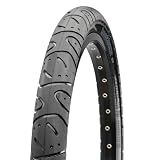
The three main bike wheel types are mountain bikes, road bikes, and hybrid bike wheels. These are the typical types and are available in the market today. Mountain bike wheels come in three sizes: 26″, 27.5″, or 29″. For petite women, we recommend using a 26″ wheel size. But if you have a standard build, you can opt for 27.5″ or 29″.
Road bike wheels differ from mountain bike wheels in a few key ways. They are typically lighter, narrower, and smoother. The tires are designed for maximum speed on paved surfaces, rather than for grip on rough terrain. Road bike wheels come in a variety of sizes, but the most common size is 700c.


Hand Size
The number one factor to consider for a comfortable fit is hand size. Make sure you are able to reach the brake while in a riding position. If you are not comfortable and feel uneasy, try switching to a larger or smaller frame.
Back Length
Sitting on the saddle, you should be able to comfortably reach the handlebar. If you’re having trouble with your reach, it will be harder to balance.
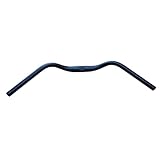
Handlebar Width
- Align the handlebar clamp-to-clamp width with your shoulder breadth (measure acromion to acromion).
- Benefit: Correct width reduces upper-body fatigue and promotes neutral wrist posture.


Saddle Shape and Width
Bike manufacturers now take into account differences in female and male anatomy. For example, women’s saddles have cut-out grooves. This adds comfort and allows the rider to easily lean on the handlebars. Some companies offer seats with extra cushions to maximize comfort.
- Measure your sit-bone width (using a padded foam or ruler).
- Match saddle width within 10 mm of your measurement.
- Feature: Women’s saddles often include central cut-outs to relieve pressure.
Shoulder Width
The shoulder width is also essential when looking for a women’s bike. You should be able to spread your arms with ease when reaching for the bike’s handlebars. The more spread out your shoulders means more cycling efforts. This is because more air can be trapped and increases resistance when cycling.
Arm Length
Arm length affects the reach to the handlebars. A woman’s arm length can vary greatly depending on her height, body proportions, and flexibility. This can be adjusted by changing the stem length and/or angle or by selecting a bike with a different frame size or geometry.
To measure arm length, a person should stand with their arms extended at shoulder height and measure the distance from fingertip to fingertip. However, this measurement is not always practical or accurate for selecting a bike size.
Stem Length & Angle
- Shorter stems (60–80 mm) suit shorter torso lengths; longer stems (90–110 mm) for taller riders.
- Raise or lower stem by ±10 mm to fine-tune reach without changing frame.
Cleat & Pedal Positioning
- Position cleats slightly rearward on your cycling shoes to accommodate a more upright hip angle.
- Outcome: Reduces anterior knee strain common in female riders.

How to Measure Your Basic Body Dimensions
To get your measurements, you can either use a tape measure or string to get your measurements. To use the string method of measuring, stand in front of a mirror with shoes on.
Take measurements with one hand holding up your jeans/pants at the waistband.
The other hand should be holding the end of a piece of string. The string should be sufficiently long to reach your foot and ankle (like if you were to tie it around yourself).
The length from your waist to your seat height is essential because this will tell the height of your seat (so make sure this isn’t too short!).
Inseam Measurements for Women’s Bikes
Inseam measurements are used to size women’s bikes too. The bike frame size should be based on the rider’s body, not their height.
The inseam measurement starts from the floor to the bottom of your torso (including hips). This measurement is your “leg length.” Measure your leg length from your groin to below your knee cap.

Use the Chart
When it comes to bike size, it’s essential to know your body measurements so you can find the right fit. The chart will give you a quick idea of where your height should fall on your torso length.
Remember that this is only a rule of thumb and won’t always provide perfect results. Many factors affect how your body proportions work with different bikes.
Factors such as frame design, saddle shape, and seat height will always matter.
How to Measure Inseam and Stand-Over Height
To find your perfect bike sizes for women, accurate body measurements are essential:
1. Inseam Measurement
- Stand with your back against a wall, feet about 6–8 inches apart.
- Place a hardcover book (spine up) snugly between your legs, as high as comfortable.
- Measure from the top edge of the book spine down to the floor.
- Tip: Round down to the nearest ½ cm for a safe standover clearance.
2. Stand-Over Height (Top Tube Clearance)
- Position the bike upright on level ground.
- Straddle the top tube with your feet flat.
- Measure the gap between your crotch and the top tube.
- Recommended clearance:
- Road/Hybrid: 2–4 cm
- Mountain: 4–6 cm for extra control on rough terrain.
3. Frame Size Calculation
- Road Bikes: Inseam (cm) × 0.67 = Frame size (cm)
- Mountain Bikes: Inseam (cm) × 0.66 = Frame size (inches)
Frame, Wheel & Geometry Differences
Road vs. Hybrid
- Both use 700c wheels, but hybrids feature a more upright geometry—taller head tubes and shorter top tubes—for comfort.
- Frame note: A 52 cm road frame often equates to a Medium hybrid.
Road vs. Mountain
- Mountain bikes use 26″, 27.5″, or 29″ wheels with slacker head angles and longer wheelbases for stability.
- Sizing tip: If you fall between two sizes, opt for the smaller road frame but the larger mountain frame.
Effective Top Tube (ETT)
- Critical for reach:
- Road ETT ≈ seat tube length + 5–10 cm
- Mountain ETT ≈ seat tube length + 0–5 cm
- Rule of thumb: Always compare ETT when switching disciplines.
Test Ride
To know what suitable size is best for you, test-ride it. Most local bike shops allow you to take it for a ride around the block before buying from them. Some bike shops also have demo bikes, so you can try them for a day or two.
When buying a bike, the right size should allow you to stand over the frame with both feet on the ground. Getting on and off the bike by swinging your leg over the frame should be comfortable.

Research-Based Fit Considerations
Recent cycling research underscores the need for precise bike setup:
- Saddle height, setback, and handlebar width must match a female cyclist’s anthropometrics and kinematics for improved comfort and efficiency (Bini et al., 2024).
- Handlebar width should correspond to shoulder width to reduce fatigue and maintain posture.
- Women-specific frames account for shorter torsos and different leg-to-torso ratios, leading to dedicated sizing charts (BikeRadar, 2025).
- While large-scale statistics are limited, expert consensus protocols guide optimal bike setup for women, supporting both performance and injury prevention.
Summary table of the key sizing guidelines for women’s bikes:
| Factor | How to Measure | Recommendation |
|---|---|---|
| Inseam | Stand against wall, book spine between legs, measure from book top to floor | Road frame (cm) = Inseam (cm) × 0.67 |
| Mountain frame (in) = Inseam (cm) × 0.66 | ||
| Stand-Over Clearance | Straddle bike top tube, measure gap between crotch and tube | Road/Hybrid: 2–4 cm Mountain: 4–6 cm |
| Frame Size by Height | Match rider height to chart | Road: 4′10″–5′1″→44–46 cm (XXS)…5′8″–5′10″→55–57 cm (L) |
| MTB: 4′10″–5′2″→13–14″ (XS)…5′10″–6′0″→19–20″ (L) | ||
| Wheel Diameter | Based on bike type | Road/Hybrid: 700c MTB: 26″ (petite), 27.5″ or 29″ (standard) |
| Saddle Width | Measure sit-bone width | Select a saddle ~10 mm wider than your sit-bone measurement; opt for a women’s-specific cut-out model |
| Handlebar Width | Measure shoulder breadth (acromion–acromion) | Match clamp-to-clamp handlebar width to shoulder width to reduce fatigue and maintain posture |
| Stem Length & Angle | Based on torso length and reach | Short torsos: 60–80 mm stem; longer torsos: 90–110 mm; adjust height ±10 mm for fine-tuning |
| Cleat/Pedal Position | Mark ball-of-foot center, align cleat slightly rearward | Shifts hip angle to reduce anterior knee strain; especially beneficial for female riders |
Conclusion on Bike Sizes for Women
Did you learn a lot of information today? There’s much more to learn about sizing your bike. But still, it will come down to how comfortable you are on your bike—what matters most when choosing the right size!
If you are still in doubt, just visit your local bike shop for a professional bike fitting.