Key Takeaway:
- Cycling can make your legs skinnier by burning fat and toning muscles.
- Results depend on your genetics, body type, diet, and training style.
- Regular cycling improves muscle tone, endurance, and definition, making legs appear slimmer rather than bulkier.
- Consistency and balanced intensity are key to long-term visible results.
Does cycling make your legs skinnier? This is one of the most common questions cyclists and fitness enthusiasts ask. Many riders wonder if regular cycling will slim down their legs or make them bulkier.
The truth is that cycling is a powerful cardiovascular workout that burns calories, reduces fat, and tones the leg muscles, but the outcome depends on how you ride, your starting body composition, and your training goals.
Cycling is not just about commuting or recreation—it’s also an excellent way to achieve slimmer, stronger, and more toned legs without the bulk of heavy strength training. Let’s dive into the details.
Need a Few Practical Extras for Your Next Ride?
Browse cycling-related clothing and simple bike accessories that may help with comfort, visibility, storage, or everyday riding.
Paid links. As an Amazon Associate we earn from qualifying purchases.

Does Cycling Make Your Legs Skinnier
The primary benefit of cycling for leg slimming comes from calorie burning and fat reduction. As you ride, your body uses energy to propel the bike forward, and that energy comes from stored fat. The longer and faster you ride, the more calories you’ll burn, contributing to slimmer legs over time.
Research indicates that cycling can lead to slimmer legs primarily due to its cardiovascular nature, which helps burn fat throughout the body, including the thighs and calves (Better Health Victoria, 2007). Cycling also improves muscle tone and endurance rather than dramatically increasing muscle bulk, which makes the legs look leaner and more defined.
Why Cycling Won’t Cause Massive Legs
Many people worry about getting massive thighs from cycling. In reality, bulky legs usually result from combining strength training with a high-calorie diet—not from cycling alone.
Professional cyclists you see with larger quads often include gym-based weightlifting in their routines. For the average person, cycling promotes moderate muscle growth, fat loss, and toned definition, not bulk.
- Muscle is denser than fat and takes up less space, meaning even if you gain some muscle from cycling, your legs will likely look slimmer and firmer.
- Studies on single-leg cycling confirm increased muscle oxidative capacity without excessive hypertrophy (Heidorn et al., 2023).
If you want bulkier legs, combine resistance cycling + strength training + calorie surplus.
Many cyclists also wonder the opposite—does cycling make your legs bigger? Understanding both perspectives helps set realistic expectations for your fitness journey.

Factors To Consider
Take note that many factors can affect how your body changes when cycling.
Gender
For one, your gender responds differently to exercise. Males are more likely to gain muscle mass from exercise, while females are more likely to lose fat.
Body Composition
How often you ride and your starting body composition matter. Consistent daily cycling (about 30 minutes) can promote fat loss and toned legs (Better Health Victoria, 2007).
Genetics
Your genetics can also play a role in how you look after cycling. Some people are naturally predisposed to having bigger or skinnier legs than others. As long as you’re consistent with cycling and following a healthy diet, you’ll see an improvement in your legs.
Body Type
Your body type also affects how your legs look after cycling. Ectomorphs typically have longer, thinner limbs, while endomorphs have shorter, thicker legs. Ectomorphs may take longer to notice changes in their legs from cycling, while endomorphs may see results more quickly.
There’s another body type, mesomorphs. They are better suited for bodybuilding exercises. If you want to bulk up your legs, strength training may be a better option.
- Ectomorphs: Naturally lean, notice slower but gradual tone.
- Endomorphs: May notice faster fat reduction in legs.
- Mesomorphs: More prone to muscular build; cycling will define but not overly bulk their legs.

How To Cycle for Skinnier and More Toned Legs
Cycling alone won’t magically make your legs skinnier. The following can help you trim your legs and make them more beautiful.
Cycle at a Fairly Fast Pace
A 155-pound person can burn up to 596 calories per hour cycling (Harvard Health via Better Health Victoria, 2007). For fat loss, aim for 80–110 revolutions per minute (RPM).
To better track your progress, you can use this calories burned cycling calculator to estimate how much energy you’re using during each ride.
Keep an Eye on Intensity With Your Heart Rate
Stay in the 65–80% of maximum heart rate zone for efficient fat burn. For example, if you’re 30 years old, your ideal range is 123–152 beats per minute.
Choose Your Terrain
- Outdoors: Ride in low gears on flat roads for longer fat-burning sessions.
- Indoors: Maintain 80–110 RPM with light-to-moderate resistance for endurance and calorie burn.
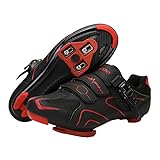
Invest in Cycling Shoes With Clips
Cycling shoes with clips help you pedal more efficiently and keep your feet firmly in place on the pedals. This helps you from tiring out as quickly and can reduce leg fatigue while cycling.


Added Expert Insights: Cycling vs. Other Workouts
- Cycling vs Running: Both slim legs, but cycling is lower impact and builds endurance. For those aiming to push performance further, structured routines like speed and agility training can complement cycling and improve overall athletic ability.
- Cycling vs Squats/Weights: Strength training builds size; cycling tones and slims.
- Indoor vs Outdoor: Both burn fat; outdoor cycling often engages more stabilizer muscles due to terrain.

Scientific Research Backing
- Cycling burns fat overall, including legs → Better Health Victoria (2007).
- Single-leg cycling boosts endurance capacity without bulk → Heidorn et al. (2023).
- Cycling strengthens quads, hamstrings, calves, and glutes for tone and definition → Healthline (2020); Styrkr (2023).
- Moderate leg muscle increase only with high resistance → Zycle (2024).
- Combined fat loss + toned muscle = slimmer appearance → Ninety One Cycles (2021); Toneopfit (2025).
Beyond leg slimming, many riders also ask: does cycling burn belly fat? Research shows cycling contributes to overall fat loss, making it a great all-around workout.

FAQs: Does Cycling Make Your Legs Skinnier?
Does cycling make thighs bigger or smaller?
For most, cycling makes thighs smaller by burning fat. Muscle gain is moderate and leads to a leaner look.
How long before I notice slimmer legs from cycling?
With consistent riding and diet, noticeable results can appear in 6–8 weeks.
Is indoor cycling as effective as outdoor?
Yes, both promote fat loss and toned legs, though outdoor cycling engages stabilizers for balance.
Final Thoughts
So, does cycling make your legs skinnier? Yes! With proper technique and dedication, cycling can help you slim down your legs and make them more toned. As long as you’re consistent with cycling and following a healthy diet, you’ll see an improvement in your legs.
Good luck! Now get out there and start cycling for slimmer legs!
References
- Better Health Victoria. (2007). Cycling – health benefits. https://www.betterhealth.vic.gov.au/health/healthyliving/cycling-health-benefits
- Heidorn, C. E., et al. (2023). Adaptations to single-leg cycling training in healthy populations. Frontiers in Physiology. https://pmc.ncbi.nlm.nih.gov/articles/PMC10175616/
- Healthline. (2020). Cycling benefits: 12 reasons cycling is good for you. https://www.healthline.com/health/fitness-exercise/cycling-benefits
- Ninety One Cycles. (2021). Ways that cycling affects your legs. https://www.outdoors91.com/adventures/blogs/ways-that-cycling-affects-your-legs
- Styrkr. (2023). Benefits of cycling: What cycling does to the body? https://styrkr.com/blogs/training-and-nutrition-hub/benefits-of-cycling
- Toneopfit. (2025). Does cycling reduce thigh fat? Get our top tips! https://toneopfit.com/blogs/do-cycling-reduce-thigh-fat
- Zycle. (2024). Does exercise cycling fatten the legs? https://zycle.eu/en/does-exercise-cycling-fatten-the-legs