Key Takeaway (Quick Guide)
- Hybrid bike tire pressure usually falls between 50–70 PSI.
- Lighter riders (<130 lbs): 50–60 PSI.
- Average riders (130–180 lbs): 60–70 PSI.
- Heavier riders (>180 lbs): 65–75 PSI.
- Pavement riding: higher PSI (60–70) for speed and efficiency.
- Gravel/dirt: slightly lower PSI (50–60) for traction.
- Weather matters: lower PSI in cold, slightly higher PSI in hot conditions.
Tire pressure for hybrid bike riders is one of the most important but often overlooked aspects of cycling performance and comfort. The wrong PSI can make your ride feel sluggish, bumpy, or unsafe—and it even increases your chances of flats.
By keeping your tires within the recommended range, you’ll find the right balance between comfort, speed, and traction whether you’re commuting, riding gravel paths, or tackling weekend adventures.
So, what’s the ideal tire pressure for hybrid bikes, how do you measure it, and what factors affect it? Let’s break it down.
Need a Few Practical Extras for Your Next Ride?
Browse cycling-related clothing and simple bike accessories that may help with comfort, visibility, storage, or everyday riding.
Paid links. As an Amazon Associate we earn from qualifying purchases.

Hybrid Bikes: Not Your Ordinary Bike
Hybrid bikes are a fusion of road bikes and mountain bikes. They are designed with versatility and suitability for all kinds of terrain. They usually have wide tires, flat handlebars, and a lightweight frame.
In the past, the only types of bikes in the market are mountain, BMX, road bike, and cruisers. The growing demand for a bike that can do it all has led to the emergence of hybrid bicycles. Now they are among the most popular bike types in the market.
Related reads:
How Are Tire Pressures Measured?
Bike tire pressure is measured in PSI (pounds per square inch). The most common tool is a bike pump with an integrated gauge.
Steps to measure:
Inflate or release air until you reach the recommended range.
- Remove the valve cap.
- Attach the pump or gauge.
- Read the displayed PSI.
Pro Tip: Use a reliable digital gauge for the most accurate readings. You can also try our tire pressure calculator or bike tire size calculator to refine your setup.

What Is the Ideal Tire Pressure for Hybrid Bikes?
The ideal hybrid bike tire pressure ranges from 50 to 70 PSI. For lighter riders, who are under 130 pounds, they can start at the lower end of the range at 50 PSI. Then, they will adjust according to the terrain. For heavier riders (over 130 pounds), start at the higher end of the range (70 PSI) and make the necessary adjustments.
The heavier you are, the more pressure your bike tires must have. This is because the additional weight will put more strain on the tires.
The ideal tire pressure for hybrid bikes generally ranges between 50 and 70 PSI.
- Lighter riders (<130 lbs): start at 50 PSI.
- Average riders (130–180 lbs): stick to 60–70 PSI.
- Heavier riders (>180 lbs): push up to 65–75 PSI for extra support.
Terrain adjustments:
- Pavement: 60–70 PSI for speed and efficiency.
- Gravel/dirt roads: 50–60 PSI for traction and fewer flats.
- Wet conditions: lower PSI slightly (around -5 PSI) for grip.
Depending on the terrain you are riding, the ideal pressure for hybrid bike tires can vary. If you’re riding on a smooth road, you can stick to the range of 50-70 PSI. But it’s best to bump up your tire air pressure if you’re riding on a more rugged trail, like mountains or gravel roads.
Note: Hybrid tires are wider than road bike tires but narrower than MTB tires, so they sit in the middle PSI range. For comparison, see mountain bike tire pressure.
Here are some general guidelines for appropriate tire pressure:
- Pavement: For riding on smooth pavement, a pressure range of 60-80 psi should do the trick (closer to that of a road bike). This will give you a comfortable ride without sacrificing speed.
- Gravel and dirt roads: If you’re hitting up some gravel or dirt roads, you may want to increase your pressure to 70-90 psi. This will help prevent punctures and pinch flats on rough terrain.
- Mountain biking: When it comes to mountain biking, pressure is crucial. A bike tire pressure range of 30-50 psi, closer to the tire pressure of a mountain bike, is ideal for off-road trails, as it provides better traction and control on uneven surfaces.


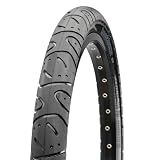
Do All Hybrid Bikes Have the Same Tire Pressure?
No, not all hybrid bikes have the same tire air pressure. The ideal pressure for your bike tire will depend on several factors: the type of terrain, the rider’s weight, and the bike model. So it’s always best to check your bike manufacturer’s manual or ask your local bike shop for the ideal bike tire pressure for your specific bike.

Factors that Affect Tire Pressure
1. Rider weight
If you’re packing a few extra pounds, you may need to increase the tire air pressure to maintain optimal performance.
2. Riding surface
Similarly, if you’re hitting some rough terrain, you may need to bump up the tire pressure to prevent punctures or pinch flats. Riding on pavement vs. dirt trails can impact pressure, with rougher surfaces requiring higher tire pressure for optimal performance.
3. Weather conditions
Temperature changes can cause tire air pressure to fluctuate, so be sure to check and adjust your pressure accordingly.
When the temperature drops, your pressure can decrease. And when it’s hot outside, your pressure can increase. As the temperature rises by 10 degrees, you can anticipate your pressure to increase by 1-2 pounds of pressure.
So, if you’re out riding and notice that your tires feel a bit soft or firm, it could be because of the weather.
Research shows that tire width also significantly influences pressure needs—wider tires allow for lower PSI without losing rolling efficiency (Berto & Norgren, 2014).
Consequences of Incorrect Tire Pressure
Riding with low tire pressure can result in a sluggish ride and increased risk of punctures or pinch flats. On the other hand, riding with high tire pressure can lead to a bumpy and uncomfortable ride.
So, to avoid these consequences, make sure to check your pressure regularly and adjust as needed. Your bike’s manual or a local bike shop can provide guidance on optimal pressure for your specific bike.
Example: A hybrid bike inflated at 90 PSI (too high) will feel uncomfortably stiff on gravel, while running at 40 PSI (too low) may lead to pinch flats on pavement.

Checking Tire Pressure
You’ll need a reliable bike pump with an integrated gauge to check your bike tire pressure. Here’s how to ensure your bike tires are properly inflated using a tire pressure gauge:
- Take off the valve and press the gauge onto the valve stem.
- Check the displayed pressure and make sure it’s within the ideal range for your bike.
- If not, adjust the pressure until you reach the desired measure.
You can also check tire pressure using an air pump with a built-in gauge. Connect the pump to your bike’s valve stem and press the gauge button. The display will show you the current bike tire pressure.


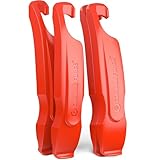
How to Maintain Tire Pressure
- Check regularly your bike’s tire pressure and ensure it’s within the ideal range.
- Top off the air in your tires at least once a month to keep your bike tire’s pressure within the optimal range. This is because the air inside your tires will gradually leak out over time. It’ll only take a few minutes, and you’ll be able to enjoy your rides more.
- Use tire liners or sealant. Tire liners are protective layers between your bike’s tire and tube. They’ll help prevent punctures and keep the air inside your tires from leaking. Sealant is a liquid that you add to your bike’s tire tubes, which will help seal any small punctures and prevent air from escaping.
- Check your tire’s pressure often to ensure it’s still within the ideal range when riding on terrain with sharp rocks or other debris.

Expert & Research Insights
Cycling research highlights that proper PSI improves rolling resistance and comfort. A study on tire dynamics found that wider hybrid-style tires inflated to lower pressures can achieve similar efficiency as narrower, high-pressure tires while providing better comfort (Coleman, 2025).
Another investigation by Ryschon et al. (2018) confirmed that incorrect tire inflation significantly impacts rider effort and safety, with overinflation leading to reduced grip and underinflation causing energy loss and instability.

FAQs
What PSI should hybrid bike tires be?
Between 50–70 PSI depending on your weight and riding terrain.
Does weight affect tire pressure?
Yes. Heavier riders should use higher PSI for support and to avoid pinch flats.
Can I use road bike PSI levels for my hybrid?
No. Road bike tires usually run 80–120 PSI, which is too high for hybrids and may damage tires.
How often should I check hybrid bike tire pressure?
At least once a week, and always before long rides.
What’s the best pump for hybrid bike tires?
A floor pump with a built-in gauge for home use, and a mini pump or CO₂ inflator for rides.
Conclusion on Tire Pressure for Hybrid Bike
Tire pressure for hybrid bike riders should generally stay within the 50–70 PSI range, adjusted based on weight, terrain, and weather. By checking PSI regularly and making small adjustments, you’ll enjoy smoother rides, fewer flats, and more confidence on any surface.
References
Coleman, S. (2025). The Effect of Tire Pressure on Bicycle Top Speed. https://www.researchgate.net/publication/391327374_The_Effect_of_Tire_Pressure_on_Bicycle_Top_Speed
Ryschon, T. W., & Stray-Gundersen, J. (1993). The effect of tyre pressure on the economy of cycling. Ergonomics, 36(6), 661–666. https://doi.org/10.1080/00140139308967927