Key Takeaway (Quick Reference)
- Most standard bicycles can handle 250–300 lbs (rider + gear).
- Road bikes: 220–250 lbs
- Hybrid bikes: 250–300 lbs
- Mountain bikes: 280–300 lbs
- E-bikes: 250–350 lbs (depends on motor & battery placement)
- Cargo bikes: 400+ lbs
- Folding bikes: 200–250 lbs
- Exceeding limits increases risks of frame damage, wheel failure, and reduced lifespan.
The bicycle weight limit is a crucial factor every rider should know before buying or riding a bike.
Exceeding the maximum load capacity can lead to broken frames, wheel failures, or even accidents.
Whether you’re carrying extra gear for commuting, tackling mountain trails, or wondering if your bike can support your body weight safely, knowing the weight capacity helps you ride with confidence and extend your bike’s life.
Need a Few Practical Extras for Your Next Ride?
Browse cycling-related clothing and simple bike accessories that may help with comfort, visibility, storage, or everyday riding.
Paid links. As an Amazon Associate we earn from qualifying purchases.

Why Should You Can About Your Bike’s Weight Limit?
A bike’s weight limit isn’t just a random number—it reflects the maximum load your frame, wheels, and components can safely handle. Ignoring it can result in:
- Frame cracks or bending
- Excessive wear on tires and suspension
- Voided manufacturer warranty
- Unsafe riding conditions
Tip: Always factor in both your body weight and the gear you carry when checking a bike’s limit.
How Much Can Your Bike Safely Carry?
On average, most bicycles are designed to hold up to 300 lbs, though exact limits vary by type. Specialized bikes such as cargo bikes or heavy-duty models like Zize can carry well over 400 lbs.
- Road bikes: Lightweight frames, lower limits (220–250 lbs).
- Hybrid bikes: Balanced design, moderate strength (250–300 lbs).
- Mountain bikes: Stronger wheels/frames (280–300 lbs).
- E-bikes: Typically 250–350 lbs, but motor adds unique stress factors.
- Cargo bikes: Built for hauling, often 400 lbs+.
- Folding bikes: Compact design, lower capacity (200–250 lbs).
Pro Tip: If you can’t find the weight limit in your bike manual, check the manufacturer’s website or ask a local bike shop.

Why Some Bikes Have a Lower/Higher Weight Limit?
Bicycles have different forms and functions. All bikes are indeed meant to be ridden. However, some specific bike models can carry heavier weights, while others are meant for lighter riders.
- Bikes with stronger materials (aluminum, steel) handle more weight.
- Carbon fiber frames are light but not always suited for heavy loads.
- Components like wheels, tires, handlebars, and suspension also influence capacity.
Bikes with a higher weight limit generally have stronger materials and components capable of bearing the extra stress. The lower weight limits on some bikes may be due to the use of cheaper or less durable parts that can’t handle more weight without breaking down.

Factors Affecting Bike Weight Limit
The structural components of a bike, such as a frame and components, will also affect its weight limit. However, we are not referring to your bike’s frame and wheels. Even your handlebars and bike seat affect how much weight it can safely carry.
1. Bike Frame
The most important factor in determining a bike’s weight limit is its frame. Steel or aluminum bike frames usually handle more weight than carbon fiber or titanium frames.
- Aluminum Frames are the best choice for heavier riders because they are lightweight and sturdy. They also tend to be more affordable than other frame materials.
- Carbon Fiber Frames are the lightest and strongest of all frame materials but are also very expensive. They are not ideal for heavier riders because they may not withstand the extra weight.
- Titanium Frames offer a good balance between strength and weight, but they are also expensive. They are the best choice for lighter riders but can handle some extra weight if needed.
2. The Wheels
Heavier riders should look for wheels designed to handle heavier loads. The wheels take a lot of strain from the rider’s weight and can affect a bike’s weight limit. Wider tires with thicker treads will provide more stability and support when riding. This is essential for heavier riders.
3. Bike Tires
Tires are another important factor in determining a bike’s weight limit. Tires with thicker treads will support the wheels and frame more – allowing it to handle heavier loads. Tires with larger diameters will also provide more stability and support.
Related reads: Best commuter bike tires | Best tubular tires
Road Bike Tires
Made for speed and having less tread, these types of tires are not suitable for heavier loads. They are usually very thin and can easily wear down if used for heavy loads.
Urban/Commuter Tires
Urban tires are not as thick as mountain bike tires, but they are still better suited for heavier loads. These tires can navigate through wet conditions thanks to their thick treads. They balance speed and grip well, making them ideal for carrying heavy loads on city roads.
Mountain Bike Tires
Mountain bike tires are ideal for those who need to carry extra weight. Designed for rugged terrain, these tires are thicker and have more tread. They provide more support and stability for heavier riders.
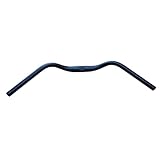
4. Handle Bars
The handlebars on your bike will also play a role in its weight limit. Handlebars with more rise will give you better control when riding, which is especially important for heavier riders. Look for bars that are made of strong, lightweight materials like aluminum or carbon fiber.


5. Bike Seat
Your bike’s seat plays a crucial role in determining its weight limit. Look for seats that handle heavier riders and provide extra support and cushioning. Wider saddles will also help spread the rider’s weight over a larger surface area. This reduces the strain on the bike frame.
6. The Suspension
The suspension on a bike also affects its weight limit. A full-suspension bike will be more stable and able to handle heavier loads than a hardtail or rigid model. Full-suspension bikes are ideal for heavier riders. Because they can absorb shock and vibration better, a smoother ride is guaranteed.
Check the manufacturer’s website or manual for the specific weight limit of your bike before carrying a heavy load. Additionally, make sure to use the right accessories and secure any items you may be transporting with the bike. This will help ensure your safety and extend your bike’s life.
Budget forks may not handle weight well—see best budget suspension fork.



Do Weight Limits on Bikes Represent Absolute Maximums?
No, weight limits on bikes are not absolute maximums. However, it makes sense to stay within the manufacturer’s recommended limit to ensure your bike’s safety and longevity. If you need to carry a little more than the recommended limit, it is still possible but only with proper safety precautions and accessories.
Remember that different bikes have different weight limits. You can add about 10 lbs. over the manufacturer’s suggested limit without putting too much strain on your bike. Use the right accessories and secure any items you may be transporting with the bike.

Research Insights on Bicycle Weight Capacity
Cycling studies highlight that bike design, frame material, and wheel strength significantly influence maximum load. Engineering research shows that exceeding design capacity by more than 10% increases risks of fatigue cracks, especially in carbon and aluminum frames.
Heavier riders are also advised to check tire pressure more frequently, since underinflated tires experience higher rolling resistance and wear faster under load.
FAQs on Bicycle Weight Limits
What is the average bicycle weight limit?
Most standard bikes carry 250–300 lbs, including rider and gear.
Can heavy riders use road bikes?
Yes, but many road bikes cap at 220–250 lbs. A hybrid or MTB is better for added strength.
Which bikes are best for 300+ lbs riders?
Cargo bikes, heavy-duty MTBs, or specialty models like Zize.
What happens if you exceed a bike’s weight limit?
You risk frame cracks, wheel damage, and safety issues.
How can I find my bike’s exact weight capacity?
Check the owner’s manual, manufacturer’s site, or ask your local bike shop.
Conclusion
The bicycle weight limit is a key factor for safe, enjoyable cycling. While most bikes can handle 250–300 lbs, the exact number depends on your bike type, frame material, wheels, and suspension. Always stay within manufacturer recommendations, inspect your bike regularly, and choose the right design if you’re a heavier rider or carrying extra gear. Knowing your limits ensures longer bike life—and safer rides.
References
ASTM International. (2019). ASTM F2711-19: Standard test methods for bicycle frames. https://www.astm.org/f2711-19.html
Kitselis, A. G., Nikolakea, C. S., & Manolakos, D. E. (2022). The Design Process of an Optimized Road Racing Bicycle Frame. Machines, 10(2), 149. https://doi.org/10.3390/machines10020149