Key Takeaways: Road Bike vs Commuter Bike
- Road bikes are built for speed, efficiency, and long-distance rides, making them ideal for fitness and racing.
- Commuter bikes focus on comfort, practicality, and everyday reliability, with features like racks, fenders, and wider tires.
- Road bikes have aerodynamic posture, narrow tires, and lightweight frames, while commuter bikes use upright posture, sturdier frames, and practical add-ons.
Choosing between a road bike vs commuter bike is one of the most common dilemmas for cyclists who want both speed and practicality. Road bikes shine on smooth roads and long distances, while commuter bikes prioritize comfort and everyday usability.
The real challenge? Deciding which type matches your lifestyle, whether that’s racing through city streets or cruising comfortably to work.
This guide breaks down design, comfort, speed, versatility, and cost differences so you can make a confident decision.
Need a Few Practical Extras for Your Next Ride?
Browse cycling-related clothing and simple bike accessories that may help with comfort, visibility, storage, or everyday riding.
Paid links. As an Amazon Associate we earn from qualifying purchases.

Understanding the Basics
What is a Road Bike?
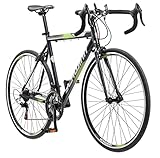
Imagine a sleek, lightweight machine, built for speed and designed to hug the curves of the road. That’s a road bike for you! These bikes are the sports cars of the cycling world. They’re perfect for those who crave speed, love long-distance rides, or enjoy the thrill of a cycling race.
With their drop handlebars and thin tires, road bikes are built for efficiency and speed. But remember, with great speed comes… well, a bit of a bumpy ride!
👉 If you’re considering this type, check out our guide on how to choose your first road bike.
Read also: Best road bikes under $1500


What is a Commuter Bike?
Now, picture a sturdy, reliable workhorse. That’s your commuter bike. These bikes are the SUVs of the cycling world. They’re designed for comfort and practicality, making them perfect for your daily commute or a leisurely ride in the park.
With their upright riding position and wider tires, commuter bikes offer a smooth and comfortable ride. Plus, they often come with handy features like mudguards and luggage racks.
So, whether it’s rain or shine, your commuter bike’s got your back!
Read also: Cruiser vs Hybrid Bike

Key Differences Between Road Bikes and Commuter Bikes
Let’s break down the key differences between road bikes and commuter bikes. This will help you make an informed decision based on your specific needs and preferences.
| Feature | Road Bike | Commuter Bike |
|---|---|---|
| Frame Geometry | Lightweight, aerodynamic, forward-leaning | Upright design, sturdier build |
| Handlebars | Drop bars for multiple hand positions | Flat/upright bars for control and comfort |
| Seat | Narrow, firm for speed | Wide, cushioned for comfort |
| Tires | Thin, high-pressure for speed | Wider, lower-pressure for stability |
| Wheels | Lightweight for speed | Durable for varied conditions |
| Gears | Multiple for efficiency | Balanced range for commuting |
| Speed | Fastest on paved roads | Moderate, reliable across surfaces |
| Features | Minimal add-ons | Often include racks, fenders, lights |
Design and Structure
- Road Bikes: These bikes are designed for speed. They have a lightweight frame, drop handlebars, and thin, high-pressure tires. The design encourages an aerodynamic position, helping you cut through the wind with ease. However, they usually lack additional features like mudguards or luggage racks.
- Commuter Bikes: These bikes prioritize comfort and practicality. They have a sturdy frame, upright handlebars, and wider, lower-pressure tires. They often come equipped with practical features like mudguards, luggage racks, and sometimes even built-in lights!
Expert Tip: Test both on your actual commute route. A road bike might feel thrilling, but if you need to carry bags or ride in traffic, a commuter bike may be more practical.
Speed and Performance
- Road Bikes: If speed is your game, road bikes are your best bet. Their design and structure allow for high-speed cycling, especially on paved surfaces. However, they might not perform as well on rough or off-road terrains.
- Commuter Bikes: While commuter bikes might not match the speed of road bikes, they offer reliable performance across various conditions. Whether it’s a paved road or a gravel path, your commuter bike will carry you through.
👉 For more comparisons, see gravel bike vs road bike
Comfort and Ease of Use
- Road Bikes: Road bikes offer a dynamic riding experience, which might take some getting used to. The aerodynamic riding position can be less comfortable for long rides, especially for beginners.
- Commuter Bikes: With their upright riding position and wider tires, commuter bikes offer a more comfortable ride. They are easy to handle, making them a great choice for everyday use.
Research shows cycling posture directly impacts musculoskeletal stress and long-term comfort (Bressel & Larson, 2003).
Suitability for Long Distances
- Road Bikes: Road bikes are built for long-distance rides. If you’re planning a cycling adventure or training for a race, a road bike would be a great companion.
- Commuter Bikes: While commuter bikes can handle long distances, they are best suited for shorter, everyday rides. They are perfect for your daily commute or a leisurely ride around town.
👉 If you’re exploring upgrades, see our guide to the best road bike upgrades.

Pros and Cons of Road Bikes

Let’s dive into the nitty-gritty of road bikes. Here are some advantages and disadvantages to consider:
Advantages of Road Bikes
- Speed: Road bikes are built for speed. If you’re all about that fast-paced cycling life, a road bike is your perfect match.
- Efficiency: Thanks to their lightweight design and thin tires, road bikes offer excellent efficiency, especially on paved surfaces.
- Long-Distance Rides: If you’re planning a long-distance ride or training for a race, a road bike is your best bet.
Disadvantages of Road Bikes
- Comfort: The aerodynamic riding position of road bikes can be less comfortable, especially for long rides or daily commutes.
- Versatility: Road bikes might not perform as well on rough or off-road terrains.
- Lack of Practical Features: Most road bikes don’t come with additional features like mudguards or luggage racks.
Pros and Cons of Commuter Bikes

Now, let’s take a look at commuter bikes. Here are some pros and cons to consider:
Advantages of Commuter Bikes
- Comfort: With their upright riding position and wider tires, commuter bikes offer a comfortable ride, making them perfect for everyday use.
- Practical Features: Many commuter bikes come equipped with handy features like mudguards, luggage racks, and sometimes even built-in lights!
- Versatility: Whether it’s a paved road or a gravel path, your commuter bike will carry you through.
Disadvantages of Commuter Bikes
- Speed: While commuter bikes offer reliable performance, they might not match the speed of road bikes.
- Weight: Commuter bikes tend to be heavier than road bikes, which might affect their speed and efficiency.
- Long-Distance Rides: While commuter bikes can handle long distances, they are best suited for shorter, everyday rides.

How to Choose the Right Bike for Your Needs

Choosing between a road bike and a commuter bike is like choosing between a sports car and an SUV. Both have their strengths and weaknesses, and the best choice depends on your specific needs and preferences.
Your Commute Distance
- Short Commutes: If your commute is short or you’re just riding around town, a commuter bike might be the best choice. They’re comfortable, practical, and built to handle various conditions.
- Long Commutes: If you’re covering long distances or training for a race, a road bike would be more suitable. They’re built for speed and efficiency, making them perfect for long rides.
Your Comfort and Speed Preferences
- Comfort: If comfort is your top priority, a commuter bike is your best bet. With their upright riding position and wider tires, they offer a smooth and comfortable ride.
- Speed: If you’re all about speed and efficiency, a road bike would be the way to go. They’re lightweight, aerodynamic, and built for high-speed cycling.
Your Terrain
- Paved Surfaces: If you’re mostly riding on paved surfaces, either bike could work. However, road bikes are particularly efficient on these surfaces.
- Mixed or Rough Terrains: If your route includes off-road paths or rough terrains, a commuter bike would be more suitable. They’re sturdy and versatile, making them capable of handling various conditions.
👉 Want to explore more? See touring bike vs road bike

Frequently Asked Questions
Are road bikes good for long distances?
Absolutely! Road bikes are designed for speed and efficiency, making them perfect for long-distance rides.
Can I use a commuter bike for a race?
While you technically could, commuter bikes are designed for comfort and practicality rather than speed.
Are road bikes comfortable?
Road bikes prioritize speed and efficiency, so they might not be as comfortable as commuter bikes for long rides.
Can I use a road bike for commuting?
Yes, you can. However, keep in mind that road bikes are less comfortable and have fewer practical features than commuter bikes.
Which is better, a road bike or a commuter bike?
It depends on your needs. If you prioritize speed and efficiency, go for a road bike. If comfort and practicality are more important, choose a commuter bike.
Conclusion
So, when it comes to road bike vs commuter bike, the best choice depends on your goals. If you want speed, long-distance performance, and training potential, a road bike is your ideal match. If you prioritize comfort, practicality, and daily reliability, a commuter bike wins.
Bottom line: Choose the bike that matches your lifestyle—whether that’s racing through the city or riding comfortably to work.
References
- Bressel, E., & Larson, B. J. (2003). Bicycle seat designs and their effect on pelvic angle, trunk angle, and comfort. Medicine & Science in Sports & Exercise, 35(2), 327–332. https://pubmed.ncbi.nlm.nih.gov/12569224/
- Wilson, D. G. (2004). Bicycling Science (3rd ed.). MIT Press. https://amzn.to/3WQ5obQ