Key Takeaway:
- Mastering mountain biking techniques improves safety, control, and overall riding experience.
- Beginner riders should focus on body positioning, braking, and cornering before progressing to advanced jumps and technical descents.
- Consistent training, practice, and the right safety measures make you a more confident and efficient rider on any terrain.
Learning the right mountain biking techniques is the difference between a confident, safe ride and struggling on the trails.
From braking and cornering to tackling steep descents, these skills help you ride with better control, reduce crash risks, and enjoy the adventure more fully.
Whether you’re new to MTB or aiming to refine advanced skills, this guide covers the essential techniques you need to know.
Need a Few Practical Extras for Your Next Ride?
Browse cycling-related clothing and simple bike accessories that may help with comfort, visibility, storage, or everyday riding.
Paid links. As an Amazon Associate we earn from qualifying purchases.

Understanding Mountain Biking
What is Mountain Biking?
Mountain biking – it’s more than just riding a bike on a hill. It’s an adrenaline-pumping sport that’s been around since the 1970s. Rugged trails, steep inclines, and the sweet victory of conquering a challenging descent.
Read also: Mountain biking as an Olympic sport
But did you know there are different types of mountain biking? There’s cross-country, where you race from point A to B, downhill for the speed demons, and enduro, a mix of uphill and downhill. Each one’s a unique adventure!
The Importance of Technique in Mountain Biking
Why fuss about technique, you ask? Well, it’s the difference between a smooth ride and a face-plant into the dirt. Technique affects your performance, making rides more enjoyable. Plus, it’s a big deal for safety. The right technique can save you from nasty spills.
Essential Mountain Biking Techniques
Mountain Biking Body Positioning

Ever tried to ride a bike sitting straight up? Doesn’t work so well, does it? Body positioning is key in mountain biking. It helps you balance, steer, and absorb shocks.
- On flat terrains, keep your body relaxed and slightly bent.
- On descents, shift your hips back and lower your chest to maintain balance.
- On climbs, lean forward to keep the front wheel grounded.
Pro Tip: Your bike goes where your eyes look—focus ahead on the trail, not down at the tire.
Mountain Biking Braking Techniques
Brakes – they’re not just for stopping. In mountain biking, knowing how to brake effectively is crucial.
- Don’t lock your brakes on descents—it reduces traction and increases crash risk.
- Use both brakes, but apply about 70% of stopping power to the front brake.
- Feather the brakes (short, controlled squeezes) to avoid skidding.
Mountain Biking Cornering Techniques

Corners can be intimidating, but with practice, you can flow through them smoothly.
- Commit to the turn—hesitation often causes slips.
- Approach wide, lean the bike (not your upper body), and look through the exit.
- Keep your outside foot down for stability.
Climbing and Descending

Climbing is all about efficiency. Keep a steady pace, shift to an easier gear, and stand up on the pedals when needed.
Descending, on the other hand, is about control. Lower your center of gravity by bending your knees and elbows. And remember, don’t lock your brakes!
Pro Tip: Think of descending as “riding the bike loose.” Let the bike absorb bumps while you remain balanced and in control.
Jumping and Dropping

Ready to catch some air? Jumping is a blast, but it requires skill. Start small, pull up on the handlebars, and tuck your knees in.
Drops are a bit different. You need to shift your weight back as you go off the edge. And always land on both wheels. Safety first, right?
Expert insight: Studies highlight that body coordination and cadence control significantly affect performance on technical climbs (Miller et al., 2018).
Advanced Mountain Biking Techniques
Technical Climbing

Ready to level up your climbing game? Technical climbing is like a puzzle. It’s about finding the best path up a tricky incline.
Choose your line wisely. Look for the smoothest, most rideable path. Keep your weight forward and maintain a steady pedal stroke. And remember, momentum is your friend!
Technical Descending

Now, let’s talk about the downhill. Technical descents can be rough and steep. But don’t worry, we’ve got some tips for you.
Stay loose and let your bike do the work. Keep your weight back and your eyes on the trail ahead. And most importantly, stay in control. Too fast can lead to a crash!
Pro Tip: Keep your eyes 10–15 feet ahead to anticipate obstacles instead of reacting at the last second.
Advanced Jumping and Dropping

Feeling adventurous? Advanced jumps and drops can give you a real adrenaline rush. But they require skill and confidence.
For bigger jumps, speed and timing are key. And for drops, it’s all about body position. Always land on both wheels, and remember to absorb the impact with your legs.
Race Techniques

Thinking about racing? It’s not just about speed—it’s about pacing and efficiency.
- Study competitors’ lines to spot faster alternatives.
- Save energy for climbs.
- Draft when possible in group races.

Training and Practice for Mountain Biking
Developing a Training Plan
Training is a big part of mountain biking. A good plan can help you improve your skills and stamina.
Mix up your workouts. Include endurance rides, strength training, and skill drills. And don’t forget to rest. Your body needs time to recover!
Importance of Consistent Practice
Ride regularly—even short sessions help. Every ride should have a focus (cornering, braking, or body positioning).
Safety Considerations
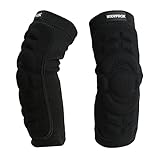
Safety first, right? Always wear a helmet. And don’t forget your knee and elbow pads.
Check your bike before you ride. Make sure everything is in working order. And always carry a repair kit. You never know when you’ll need it!


Safety Considerations for Mountain Biking Techniques
- Always wear a helmet and protective pads.
- Inspect brakes, tires, and suspension before riding.
- Carry a repair kit for emergencies.
Want to learn more about brake care? Check out how to adjust bike brakes, the best bike brakes, and the best road bike brake pads.
Conclusion: Mountain Biking Techniques
So there you have it, folks. Mountain biking is a thrilling sport, but it’s not just about pedaling hard. It’s about mastering techniques, training smart, and always putting safety first.
Keep practicing, keep learning, and most importantly, keep enjoying the ride!
References and Further Reading
Miller, M. C., Fink, P. W., Macdermid, P. W., Perry, B., & Stannard, S. R. (2018). Validity of a device designed to measure braking power in bicycle disc brakes. Sports Biomechanics, 17(2), 222–231. https://doi.org/10.1080/14763141.2017.1338744
Want to learn more? Here are some resources we recommend:
- “Mastering Mountain Bike Skills” by Brian Lopes and Lee McCormack
- “The Mountain Biker’s Training Bible” by Joe Friel
- “CLIMB! Conquer Hills, Get Lean, and Elevate Every Ride” by Selene Yeager
Happy riding!