Key Takeaway: If you want your hardtail to last longer, ride faster, and keep you safe on the trails, follow these essential maintenance tips:
- Check the ABCs before every ride (Air, Brakes, Chain).
- Inspect the frame and welds regularly for cracks or rust.
- Clean and lubricate your drivetrain to prevent wear.
- Keep your gears tuned for smooth shifting.
Wondering how to maintain a hardtail bike so it stays smooth, safe, and reliable? Regular maintenance is the key to extending your bike’s life, boosting performance, and avoiding costly repairs.
Whether you’re a beginner or a seasoned rider, learning proper upkeep ensures your hardtail is always ready for the trails.

Why Hardtail Bike Maintenance is Crucial

Longevity of the Bike
How regular maintenance extends the bike’s lifespan
Need a Few Practical Extras for Your Next Ride?
Browse cycling-related clothing and simple bike accessories that may help with comfort, visibility, storage, or everyday riding.
Paid links. As an Amazon Associate we earn from qualifying purchases.
Imagine your bike is like a pet. The more love and care you give it, the happier and healthier it will be! Regular check-ups can add years to your bike’s life. No more worrying about buying a new one anytime soon!
Performance Enhancement
The impact of maintenance on bike performance:
Think of your bike as a race car. A well-oiled machine always wins the race, right? Regular tune-ups make sure your bike rides like the wind. You’ll feel the difference, especially when climbing hills or speeding down trails.
Safety Measures
How maintenance ensures rider safety:
Safety first, folks! A well-maintained bike is like a trusty steed—it won’t let you down.
Brake inspections and tire checks can prevent serious accidents. According to a study on cycling injuries, poor maintenance is a contributing factor to crashes.

Pre-Ride Inspection: The ABCs
Before you hit the road or trail, there’s a quick checklist you should run through. Think of it as your bike’s morning routine! We call it the ABCs: Air, Brakes, and Chain. Let’s break it down.
Air
Importance of proper tire inflation:
Picture this: you’re walking on a beach with flat, deflated shoes. Not fun, right? The same goes for your bike tires. Properly inflated tires give you a smoother ride and help you go faster with less effort. Plus, it’s a big win for avoiding flat tires!
Brakes
Checking brake pads and fluid:
Imagine you’re going downhill super fast, and you can’t stop. Scary, huh? That’s why checking your brake pads and fluid is a must. Worn-out pads or low brake fluid can turn a fun ride into a dangerous one. So, always make sure your brakes are ready to do their job!
Chain
Lubrication and tension checks:
Your bike’s chain is like its heartbeat. If it’s not well-lubricated or if the tension is off, your bike won’t perform well. A squeaky chain can slow you down and make pedaling harder. A quick lube and tension check can make your ride as smooth as butter!

Frame Inspection: What to Look For
Alright, let’s move on to the skeleton of your bike—the frame! Just like you wouldn’t build a house on a shaky foundation, you shouldn’t ride a bike with a weak frame. Here’s what you need to focus on.
Headtube, Downtube, Chain Stay, Seat Stay, and Seat Tube
How to inspect these parts:
Think of these parts as the backbone of your bike. 🦴 To check them, you’ll want to give your bike a good once-over. Look for any dents, bends, or rust. Use your hands to feel for irregularities. If something feels off, it probably is!
Weld Checks
Importance of checking welds for cracks or damages:
Welds are like the glue that holds your bike together. If they’re cracked or damaged, your bike could literally fall apart while you’re riding. Yikes! So, take a close look at all the weld points. If you see any cracks, even tiny ones, it’s time for a repair.

Vital Maintenance Tips

Now that we’ve covered the basics, let’s dive into some vital maintenance tips that will keep your hardtail bike running like a dream. These are the nitty-gritty details that can make a big difference in your biking experience.
Cleaning
Best practices for cleaning your hardtail bike:
Cleaning your bike isn’t just about making it look good; it’s about performance. Use a gentle brush to remove dirt and grime from the frame and wheels.
For the chain and gears, a degreaser works wonders. Finish off with a rinse and dry your bike thoroughly to prevent rust.
Lubrication
What parts to lubricate and how often:
Lubrication is the secret sauce for a smooth ride. Focus on the chain, derailleurs, and brake and shifter levers.
A general rule of thumb is to lubricate these parts every 100 miles or after a ride in wet conditions. Use a quality bike-specific lubricant for best results.
Gear Checks
How to ensure your gears are functioning well:
Gears are the unsung heroes of a great bike ride. To keep them in top shape, regularly check for wear and tear. Listen for any grinding or clicking noises when you shift. If you hear anything unusual, it’s time for a closer look. Adjusting the tension and alignment can often fix minor issues.
How Often Should You Maintain a Hardtail Bike?
- Weekly: Clean chain, check tire pressure, test brakes.
- Monthly: Inspect frame and welds, re-lube drivetrain.
- Seasonal: Professional tune-up for gears, suspension fork oil check, and bearing inspection.

Buyer’s Guide: Hardtail Bike Maintenance Tools

Maintaining your hardtail bike is a lot easier when you have the right tools for the job. But not all tools are created equal, and the type of hardtail bike you have can influence which tools you’ll need. Let’s get into the specifics.
Essential Tools
1. Bike Stand: For easy access to all parts of your bike.
Recommended: Adjustable height for different hardtail sizes.
2. Allen Wrench Set: For tightening and loosening bolts.
Recommended: A set ranging from 2mm to 10mm for various hardtail components.
3. Chain Tool: For chain repairs and replacements.
Recommended: A universal chain tool compatible with 8, 9, 10, and 11-speed chains.
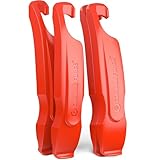
4. Tire Levers: To remove and install bike tires.
Recommended: At least 4-inch long levers for better leverage on hardtail tires.
5. Floor Pump with Gauge: For accurate tire inflation.
Recommended: A gauge that goes up to at least 15 psi for hardtail tires.
6. Cable Cutters: For trimming brake and shifter cables.
Recommended: A cutter with at least a 5mm opening for various cable thicknesses.
7. Degreaser and Lubricants: For cleaning and lubrication.
Recommended: Biodegradable degreaser and PTFE-based lubricant for all-weather conditions.
8. Cleaning Brushes: To scrub off dirt and grime.
Recommended: A set with different bristle stiffness for various bike parts.
9. Torque Wrench: To apply the correct amount of force on bolts.
Recommended: A wrench with a range of 2 to 20 Nm for hardtail-specific bolts.


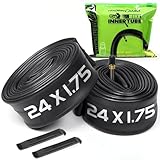
Where to Buy
1. Local Bike Shops: Support local businesses and get personalized advice tailored to your hardtail type.
2. Online Retailers: Websites like Amazon and Chain Reaction Cycles offer a wide range, including hardtail-specific tools.
3. Specialized Bike Stores: Stores like REI or Jenson USA focus solely on biking gear and can offer expert advice on hardtail maintenance tools.
4. Direct from Manufacturers: Brands like Park Tool and Pedro’s sell directly from their websites, often providing detailed guides for hardtail maintenance.
Full Suspension vs Hardtail: Maintenance Differences

When it comes to mountain bikes, there are generally two types: hardtails, which have front suspension only, and full-suspension bikes, which have both front and rear suspension.
While both types share many maintenance practices, there are some key differences you should know about.
Front Suspension
How maintenance differs for bikes with front suspension only:
Hardtail bikes, with their front suspension only, generally require less frequent suspension maintenance compared to full-suspension bikes. You’ll focus mainly on the front fork. It’s crucial to keep the stanchions clean and to regularly check the fork oil level.
For hardtails designed for lighter trails, a lower-viscosity oil is often recommended, while more aggressive hardtails may require a thicker oil for better shock absorption.
Full Suspension
What additional steps are needed for full-suspension bikes:
Full-suspension bikes have the added complexity of rear suspension, which means more pivot points and additional shock absorbers. These bikes often require more frequent full-suspension services, including rear shock air pressure checks and damping adjustments.
Additionally, the rear suspension linkage should be inspected for wear and tear, and the bearings may need to be replaced more often than on a hardtail. Specialized tools like a shock pump and bearing press are often needed for these tasks.
Read also:
If you’re building an all-around riding routine, don’t miss our urban biking essential list for the gear and habits that keep city and trail rides safe.
Conclusion on How to Maintain a Hardtail Bike
Maintaining a hardtail bike is all about consistency. From pre-ride checks to seasonal tune-ups, these steps will keep your MTB safe, fast, and long-lasting. When in doubt, always service your bike early rather than waiting for problems to show up. With proper care, your hardtail will stay your most reliable riding partner.
For those looking to dive even deeper into bike maintenance, consider checking out ebooks like “Zinn & the Art of Mountain Bike Maintenance” by Lennard Zinn or “The Complete Bike Owner’s Manual” by DK. These comprehensive guides offer valuable insights for bikers of all levels.
References
- Aasvik, O., & Bjørnskau, T. (2021). Cyclists’ Perception of Maintenance and Operation of Cycling Infrastructure-Results From a Norwegian Survey. Frontiers in psychology, 12, 696317. https://doi.org/10.3389/fpsyg.2021.696317
- Elvik, R. (2021). Chapter 4: Cycling safety. Cycling for Sustainable Cities. https://direct.mit.edu/books/edited-volume/5000/chapter-abstract/2654049/Cycling-Safety?redirectedFrom=PDF