Key Takeaway:
- Bike tires cost anywhere from $20 to $120+, depending on type, quality, and features.
- Road bike tires average $20–$80, mountain bike tires $30–$100, commuter tires $20–$60, and e-bike tires $40–$120+.
- Installation adds $10–$30 per tire if done professionally.
- The global bicycle tire market is booming, expected to double in the next decade due to e-bikes, eco-friendly transport, and technology advances.
If you’ve ever asked yourself how much do bike tires cost, the answer depends on your bike type, riding style, and the level of performance you expect. Bike tires aren’t just rubber—they affect your comfort, safety, and even how much fun you have on your rides.
Prices vary widely depending on the tire’s size, construction, and brand reputation. On average, bike tires cost between $20 and $120, with premium models going higher.
Let’s break down what you’re really paying for and how to get the best value for your money.
Need a Few Practical Extras for Your Next Ride?
Browse cycling-related clothing and simple bike accessories that may help with comfort, visibility, storage, or everyday riding.
Paid links. As an Amazon Associate we earn from qualifying purchases.
Quick Answer
On average, bike tires cost $20–$120 each. Road tires usually fall between $20–$80, mountain tires $30–$100, commuter tires $20–$60, and e-bike tires $40–$120+. Professional installation adds $10–$30 per tire. Premium tires with puncture resistance and advanced materials start around $80.

Average Cost of Bike Tires (By Type)
So, how much should you expect to pay for bike tires? It depends!
- Road Bike Tires: Typically cost $20–$80 each, with performance models going above $100.
- Mountain Bike Tires: Average $30–$100, reflecting their wider treads and durability needs.
- Hybrid/Commuter Bike Tires: Usually fall between $20–$60.
- Electric Bike Tires: Require higher load capacity and durability, often ranging from $40–$120+ (Qiolor, 2024; Macfoxbike, 2024).
Premium high-end tires with advanced technology (lightweight, puncture-resistant, long-lasting compounds) usually cost $80 and above.
Labor costs for replacement: $10–$30 per tire at a shop, with possible add-ons for wheel truing or brake adjustments. Doing it yourself with basic tools can save you money.
Hidden Costs of Bike Tire Replacement
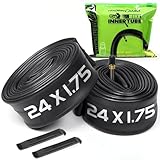
- Inner tubes: $5–$15.
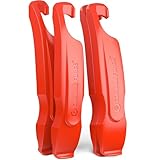
- Tools (pump, tire levers): $20–$40 (one-time investment).
- Professional installation: $10–$30 per tire.
- Electric bikes: May require specialized service, adding cost.



The Basics of Bike Tires
Understanding bike tires isn’t rocket science, but there’s more to it than meets the eye. Let’s start with the basics.
Types of Bike Tires
There are all sorts of bike tire types. These come in all shapes and sizes, each designed for a specific purpose.
- Road bike tires: Slim, smooth, and speedy! These tires are built for pavement and are all about reducing friction for a fast ride.
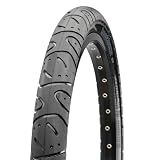
- Mountain bike tires: Tough and grippy! They’re designed with deep treads to handle off-road trails and rocky terrains.
- Hybrid bike tires: The best of both worlds! They’re wider than road tires but narrower than mountain bike tires, perfect for both city streets and gravel paths.
- Specialty bike tires: Fat bike tires, cyclocross tires, and more! These are designed for specific activities and conditions.
👉 Use our Bike Tire Size Calculator to ensure you’re buying the right fit for your bike.
And then there’s the construction. You’ve got clincher tires, tubular tires, and tubeless tires. Clinchers are the most common, with a separate inner tube. Tubular tires are glued onto the wheel, and tubeless tires, well, they go without the tube!

For a complete guide on type of bike tires, read our article on Bike Tire Types: How to Choose Bike Tires.
Understanding Bike Tire Sizes
Size matters when it comes to bike tires! The size affects both the fit on your bike and the cost. Bike tire sizes are determined by the diameter and width of the tire. They can be marked in inches (like 26″ x 2.0″) or in a metric format (like 700 x 23).
Larger tires often cost more because they require more material to produce. But remember, the right size for your bike and riding style is priceless!

Factors Influencing the Cost of Bike Tires
Ever wondered why some bike tires are pricier than others? It’s not just a brand name you’re paying for. Let’s break it down.
Material and Construction
Bike tires are more than just rubber. They’re a complex mix of materials and technology.
- Rubber Compounds: The type of rubber used can greatly affect the cost. High-end tires often use advanced rubber compounds for better grip and durability. But remember, better materials often mean a higher price tag!
- Casing Materials: The casing, or the body of the tire, is usually made of nylon. However, premium tires may use materials like Kevlar for added strength and lightness.
- Construction Process: Handmade tires are known for their superior quality and performance. But this craftsmanship comes at a cost. Machine-made tires, on the other hand, are more affordable but might not offer the same level of performance.
Brand and Quality
Just like with any product, the brand name can influence the cost of bike tires.
- Brand Reputation: Brands with a strong reputation for quality and performance often command higher prices. Think brands like Continental, Schwalbe, or Michelin.
- Quality: Higher-quality tires often last longer and perform better. They might cost more upfront, but they can save you money in the long run by reducing the need for replacements.
Performance Features
Bike tires come with a range of features designed to enhance your ride.
- Puncture Resistance: Tires with puncture-resistant layers can save you from a lot of hassle on the road. But this added protection can add to the cost.
- Tread Pattern: The design of the tread can affect the tire’s grip and handling. More complex tread patterns can increase the price.




Global Market Insights: Why Tire Costs Are Rising
The global bicycle tire market was valued at approximately USD 8.32 billion in 2024 and is projected to grow at a 6.3% CAGR to reach about USD 13.56 billion by 2032. Another analysis placed the 2025 market at USD 9.67 billion with a 7.8% CAGR, forecasting USD 16.36 billion by 2032. A third report valued it at USD 22.9 billion in 2024, projecting USD 39.8 billion by 2035.
Future Market Insights (2025) estimates the bicycle tire market at USD 11.0 billion in 2025, expected to hit USD 25.5 billion by 2035 with an 8.8% CAGR.
Growth drivers include:
- E-bike adoption
- Eco-friendly commuting
- Puncture-resistant and airless tire innovations
- Urban cycling trends
This surge means a wider price range for consumers, from budget-friendly tires to premium innovations like airless tires using shape memory alloys.
Tips for Choosing and Maintaining Bike Tires
Choosing and maintaining your bike tires can seem like a daunting task, but don’t worry! We’ve got some handy tips to help you out.
Choosing the Right Bike Tires
Selecting the right bike tires is all about understanding your needs.
- Know Your Ride: Are you a road racer, a mountain biker, or a casual commuter? Your riding style and terrain will dictate the type of tire you need.
- Size Matters: Make sure to choose the right size for your bike. Incorrect tire size can affect your bike’s performance and safety.
- Quality Over Cost: While it’s tempting to go for the cheapest option, remember that quality tires can save you money in the long run by reducing the need for frequent replacements.
Read also:
- Best Tubular Tires Buying Guide
- Best Commuter Bike Tires Buying Guide
- Best BMX Bike Tires Buying Guide
Maintaining Your Bike Tires
Proper maintenance can extend the life of your bike tires and enhance your riding experience.
- Check Tire Pressure: Regularly check your tire pressure. Incorrect pressure can lead to poor performance and increased wear.
- Inspect for Damage: Regularly inspect your tires for cuts, punctures, or signs of wear. Early detection can prevent further damage.
- Rotate Your Tires: Rotating your tires can help ensure even wear and extend their lifespan.
Frequently Asked Questions
Why are some bike tires so expensive?
High-end bike tires often use advanced materials and construction techniques to enhance performance and durability, which can increase the cost.
Can I install bike tires myself?
Absolutely! With the right tools and a bit of patience, you can install your bike tires at home and save on professional installation costs.
How often should I replace my bike tires?
This depends on how much you ride and the conditions you ride in. As a general rule, you should inspect your tires regularly for signs of wear and replace them when necessary.
Do more expensive tires last longer?
Not necessarily. The lifespan of a tire depends on a variety of factors, including the type of tire, the conditions it’s used in, and how well it’s maintained.
Are wider tires more expensive?
Generally, larger tires require more material to produce and can be more expensive. However, the price also depends on other factors like brand, quality, and performance features.
Conclusion on How Much Do Bike Tires Cost
So, how much do bike tires cost? The answer depends on your bike type, riding needs, and whether you choose budget or premium options. While you can find tires as low as $20, investing in quality tires pays off with better safety, fewer flats, and longer lifespan. And with the bicycle tire market rapidly expanding, riders have more options than ever.
Use our Bike Tire Size Calculator to find the perfect match and ride with confidence.
References
Future Market Insights. (2025). Bicycle tire market size & forecast 2025-2035. https://www.futuremarketinsights.com/reports/bicycle-tires-market
Qiolor. (2024, August 11). How much does it cost to change a bike tire? https://qiolor.com/blogs/news/cost-change-bike-tire
Macfoxbike. (2024, November 6). How much does it cost to replace a bicycle tire? https://macfoxbike.com/blogs/news/bike-tire-cost