Key Takeaway:
- You can bike in the rain safely by wearing the right waterproof gear, keeping your bike well-maintained, and slowing down on slippery roads.
- Braking distances increase by up to 30% in wet weather, so ride cautiously and stay visible.
- Post-ride care—cleaning and lubricating—extends your bike’s lifespan and ensures smooth performance.
Biking in the rain might sound intimidating, but it doesn’t have to end your ride. With smart preparation, the right gear, and a few safety tweaks, cycling in the rain can be refreshing and empowering rather than risky.
Many riders avoid wet days due to fear of slipping or damage to their bikes, but experts agree that rain rides build skill and confidence when done correctly (Wood et al., 2012).
Let’s dive into how to enjoy—and conquer—wet weather biking.
Need a Few Practical Extras for Your Next Ride?
Browse cycling-related clothing and simple bike accessories that may help with comfort, visibility, storage, or everyday riding.
Paid links. As an Amazon Associate we earn from qualifying purchases.

1. Invest in the Right Gear
Biking in the rain can be an intimidating prospect. With the right gear, however, you can stay safe and dry while biking in wet weather conditions. Investing in the correct protective clothing and accessories will help keep you cozy and comfortable as you brave the elements.
Waterproof jackets are essential for keeping your upper body warm and dry. Waterproof trousers will protect your legs from getting soaked by splashing water or puddles on the ground. Consider purchasing overshoes that fit snugly over your shoes to prevent them from becoming soggy when cycling through puddles or mud.
Accessories such as gloves with grippy palms are also a great investment. These can help you maintain control of handlebars when they become slippery due to rain drops or spray from passing cars.
Related reading: Best Cycling Gloves • Best Women’s Cycling Shoes
2. Ensure Proper Bike Maintenance
No matter the weather, you should always maintain your bike. This is especially the case when you’re cycling in the rain. The wet weather can be harder and more taxing on your bike than dry conditions.
- Tighten bolts and check your brakes before every ride.
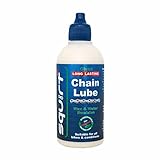
- Lubricate your chain frequently with a wet-condition lube.
- If unsure, visit a trusted bike mechanic for a quick checkup before the rainy season.


3. Consider Mudguards or Fenders
Mudguards or fenders are a great way to keep you and your bike clean and dry. They help to protect you from getting wet by protecting your bike from mud, dirt, and water on the road. They also keep you visible in bad weather conditions, making it easier for other road users to spot you.
Make sure the mudguards you choose are suitable for your bike. Install them correctly, following the manufacturer’s instructions.
4. Check the Weather Forecast Before Heading Out
Before you set out on your journey, check the weather forecast. While the forecast can change unexpectedly, it’s good to get a general idea of when and where showers may occur.
If the skies look particularly gloomy, plan an alternative route sheltered from rain clouds. Doing so will keep you and your bike dry and safe. If you must go out, bring the right gear and a waterproof bag or pannier to keep any items dry and secure.
5. Take Extra Caution When Riding on Wet Roads or Trails
Reduce speed and avoid puddles where hidden potholes lurk. Studies show braking distances can extend 20–30 percent in wet conditions (Alnawmasi et al., 2025).
- Brake gradually and evenly—never slam the levers.
- Watch painted road lines and metal grates; they’re slippery when wet.
- On trails, pick smoother lines through mud to maintain traction.
6. Keep Your Hands Dry and Reactive
As much as you might enjoy the rain, it can be uncomfortable, especially when biking. Your hands can become cold and wet when holding onto handlebars for too long, making it difficult to grip.
Gloves with waterproof materials are essential for keeping your hands dry. If you don’t have gloves, keep your hands as dry as possible by cycling in a sheltered area, avoiding puddles and splashes from passing cars.
7. Stay Visible
Drivers and pedestrians may not be able to see you clearly when there is reduced visibility due to rain. Wear bright colors that contrast with the wet and gloomy surroundings, and use bright bike lights and reflective accessories when cycling in the dark.
Bonus tip: Position your rear light slightly off-center so water spray doesn’t block it.
8. Know How To Handle a Skid
Sometimes, slips happen. Stay relaxed and steer gently in the direction of the skid. Sudden braking or leaning too far can cause a fall. Keeping your weight centered over the bike increases control.
If the surface is extremely slick, ride seated to keep traction on the rear wheel.
9. Always Follow Road Rules
Keep to the rules of the road and stay aware when cycling in the rain. Follow bike lanes and respect traffic signals, keeping your speed low at all times. This way, you can enjoy the rain with added safety and security.
10. Have Fun!
In the end, don’t forget to have fun and enjoy the ride! Go out with a positive attitude and make the best of your rainy adventures. And remember to wear your helmet and stay safe!

The Science of Traction and Braking in Rainy Conditions
Why does biking in the rain feel different? Wet pavement reduces the friction coefficient between tires and road surfaces, affecting both grip and braking distance. Rubber tires lose up to 40 percent of traction on smooth wet asphalt.
What you can do:
- Use tires with wider treads or siping designed for wet grip.
- Lower tire pressure by about 5 psi for more surface contact.
- Clean brake pads frequently; replace them if they harden from repeated wet exposure.
Wet-Weather Bike Maintenance After the Ride
After all the fun biking in the rain, you need to pay attention to your bike.
Rinse your bike thoroughly with mild soap, remove debris from brake pads and gears, then dry it completely with a towel or compressed air.
Lubricate all moving parts to prevent rust and corrosion, and check tires for embedded grit. Consistent care keeps your bike efficient and ready for the next adventure.

Bonus Tips: Bike Maintenance After Biking in the Rain
After all the fun biking in the rain, you need to pay attention to your bike to avoid future issues. Do these tips after every ride to ensure your bike stays in tip-top shape:
Clean Your Bike as Soon as Possible
Rinse your bike head-to-toe with water and a mild soap solution, removing any accumulated dirt or mud. Pay special attention to the brake pads and gears, as these can become clogged with debris.
Lubricate All Moving Parts
Water on metal parts can cause rust and corrosion, so lubricate your bike’s frame and moving parts with high-quality oil or grease. This will ensure the longevity of your bike and increase its performance.
Check Your Tires and Brake Pads
Ensure your tires are properly inflated, and your brake pads are in good condition. Poorly inflated tires can cause an uneven wear pattern, and worn-out brake pads can reduce braking power.
Conclusion: Bike in the Rain Safely
Biking in the rain doesn’t have to be scary—it’s simply about preparation and awareness. With waterproof gear, slower pacing, and quick post-ride care, you can confidently bike in the rain year-round. Stay visible, respect the road, and let every drizzle become part of your cycling story.
References
Alnawmasi, N., Alamri, M., & Jashami, H. (2025). Assessing Injury-Severity Outcomes in Wet-Pavement Conditions: Exploring the Impact of Pavement Skid Resistance through Temporal Analysis with Random Parameters and Heterogeneity in Means and Variances. Transportation Research Record: Journal of the Transportation Research Board, 2679(9), 50-77. https://doi.org/10.1177/03611981251322482
Wood, J. M., Tyrrell, R. A., et al. (2012). Using reflective clothing to enhance the conspicuity of bicyclists at night. Accident Analysis & Prevention, 45, 726–730. https://eprints.qut.edu.au/47281/1/CyclistsAAPacceptedversion.pdf?utm_source=Cycling%20South%20Newsletter&utm_campaign=0638be6a49-Newsletter9_12_2011&utm_medium=email