Key Takeaway:
- Stay comfortable, protected, and performance-ready on every trail by choosing durable, weather-appropriate, and moisture-wicking gear.
What to wear mountain biking can make or break your ride—impacting comfort, safety, and performance.
Mountain biking can be a great way to get outside and enjoy the fresh air, scenery, and exercise. However, if you’re not prepared for it, the experience can be quite uncomfortable.
In this post, we’ll discuss what to wear for mountain biking so that you can stay warm and comfortable on your next ride.
Need a Few Practical Extras for Your Next Ride?
Browse cycling-related clothing and simple bike accessories that may help with comfort, visibility, storage, or everyday riding.
Paid links. As an Amazon Associate we earn from qualifying purchases.

What to Wear When Mountain Biking
1. Helmet
Helmet is your #1 friend when mountain biking. Wearing a helmet can help protect you against serious injuries in the event of a fall. For casual mountain biking, any bike helmet will do. However, if you’re planning on doing any serious off-roading, you’ll want to invest in a full-face helmet.
2. Bike gloves and knee pad
Wearing gloves will help keep your hands warm and protected from scrapes and cuts. Neoprene gloves are a good option for cold-weather riding, while fingerless gloves are better for warmer weather.
Knee pads are also a good idea, especially if you’re planning on doing any technical riding.
3. Eye protection
Goggles or sunglasses with clear lenses are a must to protect your eyes from dust, bugs, and debris.
4. Proper footwear
Closed-toe shoes are a must when mountain biking. You’ll want shoes that are comfortable and have good tread to grip the pedals. You may opt for mountain biking shoes that clip into the pedals, but these are not necessary.
For a serious mountain biker, a good pair of shoes is one of the most important investments you can make.
5. Backpack
A backpack is essential for carrying extra water, food, and gear. You’ll want a backpack that fits well and doesn’t rub or chafe.
6. Appropriate clothing for the weather (jersey, shorts, socks)
The type of clothing you wear will depend on the weather conditions. In warm weather, you’ll want to dress in light, breathable fabrics. In cooler weather, you’ll want to layer up with warmer fabrics.
Mountain biking jerseys are a good option for both warm and cool weather riding. They’re usually made from breathable fabrics and have pockets for carrying snacks and other essentials.
Mountain biking shorts are another essential piece of clothing. They’re usually made from stretchy materials that allow you to move freely and are comfortable to wear for long periods of time.
Also, padding in your shorts will help protect your posterior from saddle sores and bruises. Chamois cream can also be used to help reduce friction.
Whether you’re mountain biking in hot or cold weather, always wear socks. They help protect your feet from blisters and keep them warm in cooler weather.
If it’s cold outside, you’ll want to dress in layers that will keep you warm. A good base layer should be made of a material that wicks away sweat, such as merino wool. You’ll also want a mid-layer for insulation, such as a fleece jacket. And finally, a waterproof outer layer will help you stay dry in case of rain or snow.

Other Essentials to Bring When Mountain Biking
1. Hydration pack or water bottles
Staying hydrated is crucial when mountain biking, especially in hot weather. You’ll want to bring a hydration pack or water bottles so that you can drink water throughout your ride.
2. Snacks and energy bars
Bringing along snacks and energy bars is a good idea, especially if you’re going on a long ride. They’ll help keep your energy up so that you can enjoy your ride.
3. First-aid kit
A small first-aid kit is always a good idea, just in case you have a minor accident or fall.
4. Tool kit, spare tube and patch kit, pump or CO2 cartridge
Bringing along a tool kit, spare tube, and patch kit is a good idea in case you have a flat tire. A pump or CO2 cartridge can also be useful in case you need to inflate your tires.




What to Wear for Different Types of Riding
Cross-country
If you’re planning on doing some cross-country riding, you’ll want to dress in light, breathable fabrics. You’ll also want to wear shoes that are comfortable and have good tread.
Many XC riders opt not to wear knee pads and other kinds of padding except for the helmet. This translates to maximum speed and minimal wind resistance.
Enduro
For enduro riding, you’ll want to wear clothes that offer both protection and comfort. A good pair of mountain biking shorts with padding is essential. You’ll also want to wear a jersey that’s made from a breathable fabric. And finally, you’ll want to choose shoes that offer good grip and support.
Downhill
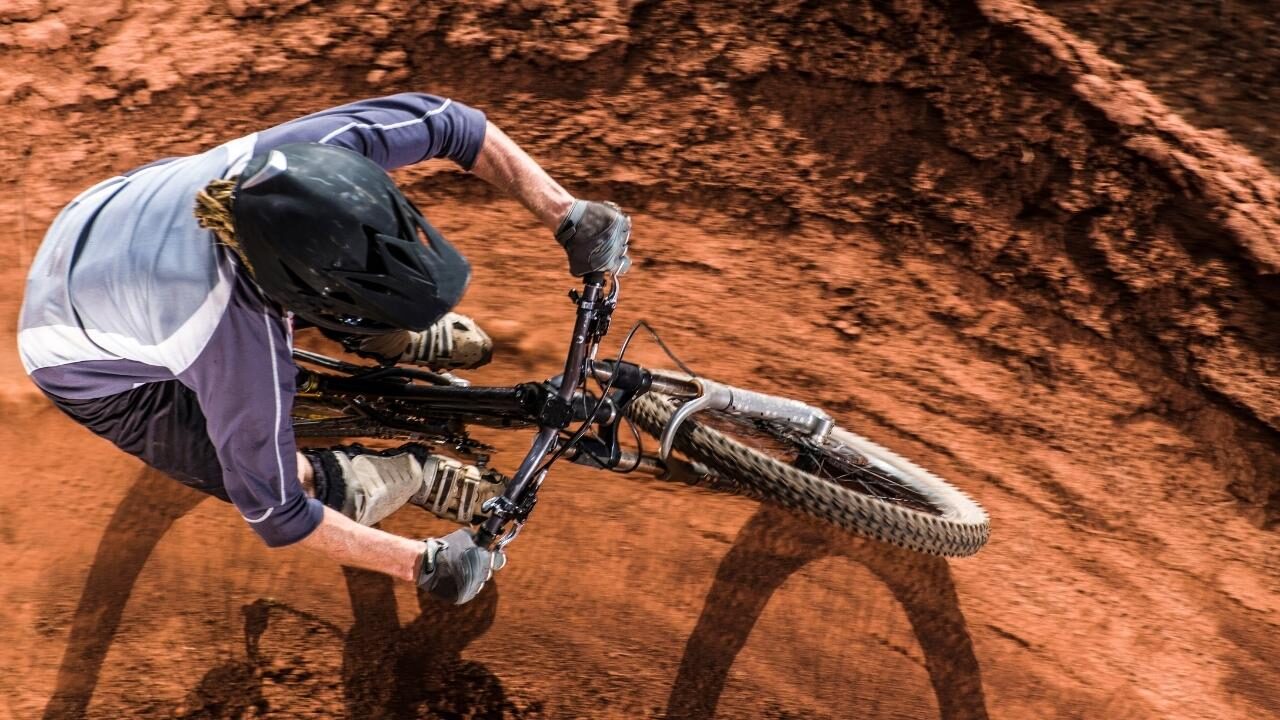
When downhill riding, you’ll want to dress in layers for protection. A good pair of mountain biking shorts with padding is essential. You’ll also want to wear a jersey and a protective outer layer. You’ll want to choose shoes that offer good grip and support. For a helmet, you’ll want one that offers full coverage and protection.
What to Wear Mountain Biking Checklist
Mountain biking is a great way to get exercise and enjoy the outdoors. But before you hit the trails, it’s important to make sure you have the right gear. Here’s what you need to wear mountain biking:
- Helmet
- Mountain biking jersey
- Mountain biking shorts
- Gloves
- Backpack
- Mountain biking shoes
- Goggles or sunglasses
- Waterproof jacket (optional)
- Knee pads (optional)
- Hydration pack or water bottles
- Snacks and energy bars
- First-aid kit
- Tool kit, spare tube and patch kit, pump or CO2 cartridge


With this mountain biking checklist, you’ll be prepared for any adventure on the trails. So get out there and enjoy the ride!

Research Insights & Market Trends
Based on recent studies and industry reports:
- Apparel Features: Mountain bike shorts use stretch fabrics and padded liners to wick moisture and reduce friction; downhill shorts add abrasion protection, while cross-country shorts focus on aerodynamics.
- Material Science: Optimal thermal comfort in winds up to 5 m/s is achieved by layered fabrics that prevent air permeability and provide heat shielding—critical when temperatures drop and you’re generating body heat.
- Market Size: The global mountain bike apparel market reached USD 3.63 billion in 2023 and is projected to grow at a 5.1% CAGR through 2030, driven by rising participation and demand for performance gear.
- Regional Trends: North America accounts for 40–50% of revenue, favoring high-performance, sustainable gear, while Asia-Pacific is the fastest-growing segment at 6–8% CAGR.
- Product Mix: Top wear (jerseys, jackets) represents 45–55% of market share; modular systems like sleeveless jerseys and ventilated waterproof jackets are rising in popularity for spring and transitional rides.
Conclusion on What to Wear Mountain Biking
Choose your gear thoughtfully and prioritize comfort, protection, and sustainability—now you know exactly what to wear mountain biking.