Key Takeaway
- Knowing “how much do bikes cost” helps balance quality, performance, and budget—whether choosing a budget commuter or a high-end carbon road bike.
How much do bikes cost? Whether you’re eyeing your first commuter ride or hunting for a premium carbon road machine, understanding real-world price ranges empowers you to pick the perfect bike for your lifestyle and wallet.
Bicycles can be expensive! But depending on what you’re looking for, there are a lot of affordable options.
In this blog post, we’ll take a look at some of the cheapest bikes out there, as well as some more expensive ones. We’ll also discuss what to consider when buying a bike, so you can get the perfect one for your needs.
Need a Few Practical Extras for Your Next Ride?
Browse cycling-related clothing and simple bike accessories that may help with comfort, visibility, storage, or everyday riding.
Paid links. As an Amazon Associate we earn from qualifying purchases.
Whether you’re just starting out or you’re an experienced cyclist, read on to learn more about how much a bike costs!

How Much Does a Good Bike Cost?
When it comes to bikes, you can get a great one for as little as $300. However, if you’re looking for a premium bike with all the bells and whistles, you could be looking at a price tag of at least $1,000 or more.
Of course, there are plenty of options in between these two extremes. And the best way to figure out how much you should spend on a bike is to consider your needs and budget.
For example, if you’re looking for a bike to use for commuting, you’ll probably want something different than someone who wants a bike for racing. And if you have a limited budget, you may need to sacrifice some features in order to stay within your price range.
Read also: Buying Your First Bike: The Ultimate Guide
Key Bike Cost Statistics & Facts
For road bikes, mountain bikes, and hybrid bikes, you can use the following table to get an idea of how much you might need to spend:
| Statistic / Category | Price Range / Detail |
|---|---|
| Average bike price | $500–$1,000 |
| Entry-level road bikes | $800–$1,200; carbon frames from $1,500 |
| Hybrid bikes | $500–$1,200 |
| Children’s bikes | $100–$200 |
| BMX bikes | $150–$400 |
| Mid-range mountain bikes | $1,000–$2,000 |
| High-end road bikes | $5,000–$10,000+ |
| Electric bikes | Around $2,000 |
| Custom-built bikes | $2,500–$7,500+ |
| Folding bikes | $400–$1,500 |
| Titanium frames | Starting at $3,000 |
| Accessories & gear | Adds about 20% to bike cost |
| Annual maintenance | $50–$200 |
| Bike-trail infrastructure cost per user | $83–$592 annually (majority construction) |

Types of Bikes to Buy
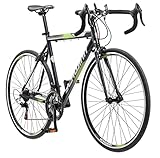
Road Bike

A road bike is a great option if you’re looking for a fast and lightweight bike. Road bikes are designed for paved surfaces, and they typically have narrower tires than other types of bikes.
If you’re interested in racing or riding long distances, a road bike is a good choice. However, keep in mind that road bikes can be less comfortable than other types of bikes, so they may not be the best option if you’re looking for a leisurely ride.


Mountain Bike

A mountain bike is a good choice if you’re looking for a bike that can handle rough terrain. Mountain bikes have wider tires than road bikes, and they’re often equipped with features like suspension and disc brakes.
If you’re planning on doing any off-roading, a mountain bike is a must. However, mountain bikes can be heavier and more difficult to ride on pavement, so they may not be the best choice if you’re looking for an all-purpose bike.

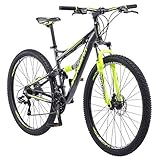
Hybrid Bike

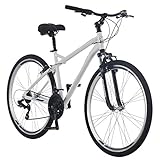
A hybrid bike is a good option if you’re looking for a bike that can be used for both commuting and recreation. Hybrid bikes have features of both road and mountain bikes, so they’re versatile and relatively easy to ride.
If you’re looking for a bike that can do it all, a hybrid bike is a great choice. However, keep in mind that hybrid bikes can be more expensive than other types of bikes.


Read also: Urban Biking 101: Tips, Tricks, and Gear for Commuting and Exploring the City
Beach Cruiser

A beach cruiser is a good choice if you’re looking for a bike that’s comfortable and easy to ride. Beach cruisers typically have wide tires, upright handlebars, and a relaxed riding position.
If you’re looking for a leisurely ride, a beach cruiser is a great option. However, keep in mind that beach cruisers can be heavy and difficult to pedal uphill.
Recumbent Bike

A recumbent bike is a good choice if you’re looking for a bike that’s easy on your joints. Recumbent bikes have a laid-back riding position, and they’re often equipped with features like suspension and a basket.
If you’re looking for a comfortable ride, a recumbent bike is a great choice.
Kids’ Bike

A kids’ bike is a good choice if you’re looking for a bike for a child. Kids’ bikes typically have smaller frames and wheels, and they’re often equipped with features like training wheels and coaster brakes.

How to Save Money on a Bike
There are a few ways you can save money on a bike.
First, consider buying a used bike. You can find used bikes at garage sales, bike shops, and online.
Second, look for bikes that are on sale. Many bike shops have sales throughout the year, so it’s worth checking their websites or visiting them in person to see if they have any deals.
Third, consider buying a bike from a department store. Department stores typically sell bikes at a lower price than bike shops. However, keep in mind that department store bikes are often of lower quality than bike shop bikes.
Finally, don’t forget to haggle! You may be able to get a better price on a bike if you’re willing to negotiate.
When you’re buying a bike, it’s important to consider your budget and your needs. There’s no need to spend a fortune on a bike if you’re not going to use it often. However, if you’re an avid rider, it’s worth investing in a quality bike.
No matter how much you spend on a bike, be sure to test it out before you buy it.

Tips When Buying a Used Bike
1. Spend $1000 to $2500.
This price range will get you a mid-range quality used bike that will last for years.
While it’s possible to find a decent bike for less than $1000, it’s worth spending a little more to get a quality bike. It may seem like a lot of money, but a good bike will last you for years and can be used for both commuting and recreation.
If you can, try to test ride the bike before you buy it. This will give you a chance to make sure that the bike is the right size and that it’s comfortable to ride. Also, have a professional mechanic check the bike over before you buy it to make sure that it’s in good condition.
But if you think that you won’t be riding often, or if you’re on a tight budget, you can still find a decent bike for at least $300.
2. Choose a recent bike model.
Make sure that the bike’s model is within the last 5 to 10 years, as bikes go out of style quickly.
Components within the last 10 years are mostly compatible with the current technology, whereas older models may have proprietary parts that are difficult to find.
3. Check the original price of the bike.
This will give you a good idea of how much the bike should cost. You can find this information on the manufacturer’s website, or by doing a quick Google search.
A brand new bike that costs at least $1500 has better quality components than a bike that originally cost less than that amount.

What to Consider When Buying a Bike
1. How you’ll be using the bike
If you’re planning on doing a lot of riding, you’ll want to invest in a quality bike. However, if you’re only going to be riding occasionally, you can get by with a less expensive bike.
The terrain that you will also be a factor to consider. If you’re only going to be riding on flat, paved surfaces, get a road bike.
But if you’re planning on doing any off-roading, you’ll need a mountain bike that’s specifically designed for that purpose.
2. Budget
How much are you willing to spend on a bike? Keep in mind that you may need to spend more money to get a quality bike.
3. Your skill level
Are you a beginner or an experienced rider? If you’re a beginner, you may want to get a bike with lower gears so that you can pedal up hills without too much difficulty.
If you’re an experienced rider, you’ll probably be able to handle a bike with more gears.
4. Bike’s size
Make sure that the bike is the right size for you. You should be able to sit on the bike and put your feet flat on the ground when you’re stopped.
If you can’t, the bike is too big for you and you’ll have difficulty riding it.
5. Parts and accessories
Some bikes come with features that can be helpful, such as fenders, which keep you from getting muddy when riding in wet conditions.
Other features, such as a kickstand, can be helpful if you’re planning on doing a lot of stops during your ride.

What Determines the Price of a Bike
| Factor | Cost % (Estimate) |
| Frame materials | 15% |
| Components | 20% |
| Craftsmanship | 20% |
| Shipping costs | 5% |
| Retailer costs | 6-10% |
| Overhead | 20% |
| Marketing | 8-10% |
Frame Materials
The frame is the most important part of the bike, and it’s also one of the most expensive. The material that the frame is made out of will affect both the price and the weight of the bike.
The most common materials used for bike frames are aluminum, carbon fiber, and steel.
Aluminum frames are the lightest and most affordable, but they’re not as durable as the other two options.
Carbon fiber frames are very light and stiff, which makes them great for racing, but they’re also the most expensive. Steel frames are strong and can last a long time, but they’re heavier than the other two options.
Components
The components of the bike are what make it move. The most important components are the gears, chain, pedals, and brakes.
Gears
The number of gears on a bike will affect how easy it is to pedal up hills. Bikes with more gears will be more expensive than bikes with fewer gears.
Chain
The chain is what connects the gears to the pedals. A quality chain will last a long time and won’t stretch out, which can make pedaling difficult.
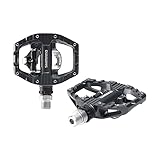
Pedals
The pedals are how you power the bike. You’ll want to make sure that they’re easy to use and that they’re compatible with the shoes that you’re planning on wearing.


Brakes
The brakes are how you stop the bike. There are two main types of brakes: disc brakes and rim brakes.
Disc brakes are more expensive but they’re also more effective, especially in wet or muddy conditions. Rim brakes are less expensive but they’re not as effective in all conditions.
Suspension
If you plan to get a mountain bike, you’ll want to get one with suspension. This will help to absorb the impact of bumps and protect you from injury.
Crafting Quality
It takes a lot of time and skill to craft a quality bike. The frame needs to be made out of high-quality materials and the components need to be carefully chosen.
The bike also needs to be assembled by someone who knows what they’re doing. All of this takes time, which is why quality bikes are more expensive.
Shipping Costs
Most bikes are imported from other countries. This means that they have to be shipped, which can add to the cost of the bike.
It’s also important to note that bikes are often shipped in large boxes, which can be expensive to ship.
Warranty
A quality bike should come with a warranty that covers both the frame and the components. This will protect you in case anything goes wrong with the bike.
Retailer Costs
From the wholesaler (importer) the bike goes to the retailer. The retailer will add their own markup to the price of the bike.
This is how they make a profit and how they pay for overhead costs, such as rent and employees.
Marketing
Bikes need to be marketed just like any other product. The marketing campaign will include advertising, sponsorships, and social media.
All of these things cost money, which is why they add to the price of the bike.
The Bottom Line: How Much Do Bikes Cost?
There’s no simple answer to how much a bike costs. So when you buy a bike, you’re not just paying for the materials and components. You’re also paying for the time and effort that went into designing, crafting, and marketing the bike. For a good start, you can expect to pay at least $800 for a quality bike. But if you want something truly special, you could end up spending thousands of dollars.
Read also: What is the Best Time to Buy Bikes?
References:
Dragon Bicycles. (2019). What Goes Into The Cost of a Bicycle? https://dragonbicycles.com/blogs/news/bicycle-pricing-breakdown
Buehler, R., & Pucher, J. (2004). The case of bike and pedestrian trials in Lincoln, Neb. Preventive Medicine, 38(3), 453–460. https://pmc.ncbi.nlm.nih.gov/articles/PMC1448293/
Global Market Insights. (2024). Bicycle Market Size – By Product, By Distribution Channel, By End Use, Analysis, Share, Growth Forecast, 2025 – 2034. https://www.gminsights.com/industry-analysis/bicycle-market