Best Mountain Bike Stems
- Best Overall: Wake Stem 0-60 Degree
- Best Alternative: Fomtor 7 Degree Bike Stem
- Best Value for Money: Renthal Apex Stem
- Best for Downhill: Truvativ Hussefelt
- Best Budget Option: Race Face Chester
- Best Entry Level: Race Face Respond Mountain Bike Stem
- Best Heavy-Duty: Burgtec Enduro MK3 Stem
- Multi-Use Stem: One Up EDC stem
- Most Wide-Range Length: Ritchey WCS C220
- Best Design: Race Face Turbine R
The best mountain bike stems can be a game-changer for any cyclist looking to boost performance and comfort on tough trails.
The quick answer: if your bike feels too stretched, a shorter stem often makes handling feel quicker and brings the bar closer. If your front end feels too low, a stem with more rise, or a fit change that increases stack, may help. If you ride hard downhill or enduro, a short fixed stem is usually the safer and simpler place to start than an adjustable comfort-style stem.
As an active adventurer like me—juggling work, life, and the thrill of the ride—I know the struggle of finding a quality stem that meets both budget and performance needs.
And when you find a good one, it’s usually way out of your price range. It can be frustrating finding the right one for your bike without breaking the bank.
Need a Few Practical Extras for Your Next Ride?
Browse cycling-related clothing and simple bike accessories that may help with comfort, visibility, storage, or everyday riding.
Paid links. As an Amazon Associate we earn from qualifying purchases.
We looked into this problem and found that there are a lot of great mountain bike stems available at all different price points – but they’re just scattered across the web in little pockets here and there.
Below is a list of mountain bike stems reviewed with insights that blend technical details with practical, real-world advice.
If you are arriving here from a bike-fit or stack-and-reach article, think of it this way: stem length mainly changes how far the bar feels from you, while stem rise and spacer setup change how high the front end feels. A stem swap can help, but it works best when you treat it as part of the whole cockpit, not a magic fix by itself.
At a Glance: Best Mountain Bike Stems
| Product | Best for | Clamp size | Typical lengths | Rise / angle | Weight* | Quick note |
|---|---|---|---|---|---|---|
| Wake Stem 0-60 Degree | Fit testing / upright comfort | 31.8mm | 90, 110mm | 0-60° adjustable | 260-290g | Best if you want to test position changes cheaply |
| Fomtor 7 Degree Bike Stem | Low-cost fixed option | 31.8mm | 60, 70, 80, 90mm | 7° | 115g | Simple value choice for light-duty use |
| Renthal Apex Stem | Premium trail / enduro value | varies by version | short modern sizes | +/-6° | about 110g+ | Light and stiff, with a distinctive wrap clamp |
| Truvativ Hussefelt | Downhill / freeride | 31.8mm | 40, 60mm | 0° | about 203g | Strong, simple, and still a classic gravity pick |
| Race Face Chester | Budget trail riders | 31.8mm | 50, 70mm | 8° | 171g | Good brand-name budget option |
| RaceFace Respond Mountain Bike Stem | Entry-level AM / FR / DH | 31.8mm | 45mm | 10° | about 194-195g | Helpful if you want a short stem with a higher front-end feel |
| Burgtec Enduro MK3 Stem | Heavy-duty enduro | 31.8mm or 35mm | 35, 42.5, 50mm | 0° | about 138-160g | Very strong, modern, short, and precise |
| One Up EDC stem | Clean setup / tool storage | 35mm | 35, 42, 50mm | 0° | varies by size | Best for riders who want a tidy cockpit |
| Ritchey WCS C220 | Wide fit range / longer setups | 31.8mm | 60-140mm | +/-6° | about 132g | Great if you need more reach options |
| Race Face Turbine R | Premium look + modern trail fit | 35mm | 32, 40, 50, 60, 70mm | 0° | 138g (50mm) | Strong specs and clean finish |
*Weight can change by length and clamp size. I checked updated specs against brand or current product listings where available.

16,532
Customer Reviews

14
Testing Hours

10
Tested Products

14
Sources Researched
10 of the Best Mountain Bike Stems
1. Wake Stem 0-60 Degree
Best Overall: Wide range rotation for swift adjustments

- Aluminum alloy with four bolt bar clamps
- 90mm/110mm in length with 31.8mm diameter
- Weighs 260/290 grams
- Up to 60 degrees rotation
Wake features a 60 degrees rotation that supports easy indoor storage and helps reduce theft risks. Its durable aluminum alloy and four-bolt design offer a secure fit that many riders find essential.
With the more extended stem adjustment, you can have a better pedaling position on steep climbs by diverting your body weight on the front. Wake stem is a fit for BMX and MTB, so this is a plus for versatility. This stem helps adjust your handlebar angle quickly, making steep climbs less tiring.
Installation is relatively easy. Just attach to the front fork system and secure the reliable four bolt bar clamp.
The Wake is most useful for riders who want to test a more upright or more stretched position without buying several stems. It is long, heavy, and adjustable, so I see it more as a comfort and fit-experiment option than a modern hard-charging trail or downhill pick. If your goal is confident handling on technical descents, a shorter fixed stem will usually feel more direct.
Best for: riders trying to solve hand pressure, back strain, or a too-low front end on a light-duty MTB, hybrid, or commuter-style setup.
Watch out for: its longer length and adjustable design are not the strongest match for aggressive modern trail riding.
2. Fomtor 7 Degree Bike Stem
Best Alternative: Stable and excellent performance

- CNC machined aluminum alloy with four bolt bar clamp
- 60mm/70mm/90mm lengths with 31.8mm diameter
- 7-degree rise/drop
- Weighs 115 g
- Fits BMX, MTB, DH, road bikes
Fomtor stem offers a hybrid of convenience, stability, and excellent performance. The four-size stem length allows perfect fitting to a comfortable riding preference. With the reversible stem rise or drop of 7 degrees, you can easily switch to a more aggressive or just a typical comfort ride, especially on rugged trails.
Constructed with a stylish carbon fiber finish, it is one of the lightest options. Tool-free installation saves you time—perfect for riders with busy schedules. Plus, it works well with most MTB, BMX, DH, and road bikes. The tool-free installation saves time and energy. Use the four bolts for a secured position, and you’re good to go.
This is not really “tool-free.” It still uses standard bolts, so think of it as simple to install, not tool-free. The main appeal is that it gives you a cheap fixed-stem option in several common lengths, with a mild rise that can make a flat front end feel more forgiving.
Best for: budget-conscious riders who want a low-cost fixed stem in common sizes.
Watch out for: it is affordable, but it is still a budget part, so I would reserve it for lighter-duty use rather than repeated hard hits.
3. Renthal Apex Stem
Best Value for Money: A classy design for the roughest conditions

- 2014-series aluminum
- 6 degrees rise
- 40 mm/50mm/ 60mm/70mm/80mm/ 90mm with 31.8 diameter
- Weighs 110 g
- Fits to MTB, DH, free rides
Heavy-duty with a classy design, courtesy of Art Deco, is what you will get with the Renthal apex stem. The CNC machined stem ensures a durable and stiff stem that can withstand the roughest conditions of the hills. It is also rust-free, so you know it will last long.
You will appreciate the 6° rise because it can really help when tackling enduro and trail rides, giving a more natural pedaling position.
The oversized clamping system secures the bar with a 240-degree hug eliminating targeted stress points that can cause bar failure. This adds to its lasting performance. Plus, with the 6-length variations, you will indeed find one that suits your best.
This is one of the strongest picks in the list if you want a premium fixed stem from a well-known MTB brand. Renthal’s wide wrap clamp is one of the real reasons riders like it, not just the looks. It blends low weight with a stiff feel, so it makes more sense for trail, enduro, and strong all-round use than many cheaper stems do.
Best for: riders who want a short, modern, premium stem and care about both weight and bar support.
Watch out for: it costs more than value stems, and some riders may need to double-check bar/stem clearance when flipping the rise.
4. Truvativ Hussefelt
Best for Downhill Riders: Strong and stiff but with a slight weight penalty

- Forged 6061 aluminum alloy with M5 bolts
- Aluminum construction with steel hardware
- 4-bolt clamp design and 2-bolt steerer tube clamp
- 0-degree stem angle and rise
- 40 mm/ 60mm in length with 31.8mm diameter
- Weighs about 203 g for the 40mm size
- Fits MTB, DH, free rides
If you enjoy the thrill of downhill rides, then Truvativ Hussefelt is a perfect choice. Thanks to its 0-degree stem angle and shorter length, you will have a solid and stiff stem. The shorter 40 and 60 mm size is best if you feel stretched with the longer ones. It also allows you to ride in a more vertical position which prevents back problems.
The forged aluminum-alloy assures prolonged use. With the four M5 bolts and 2-bolt steerer tube clamp, fastening the stem to the handlebar is effortless. The dual-clamp design makes installation and adjustment hassle-free.
The Hussefelt still makes sense if your priority is strength, simple setup, and gravity-friendly sizing. It is not the lightest choice, but that is also why many riders still trust it for rough use. If you want a stem that feels calm, planted, and hard to worry about, this is a sensible gravity option.
Best for: downhill, freeride, and riders who want a no-fuss stem.
Watch out for: it is heavier than newer premium trail stems.
5. Race Face Chester
Best Budget Option: Reliable and robust at a reasonable budget

- Forged 2014 aluminum alloy with 4-bolt clamp
- 8-degree stem angle and rise
- 40 mm/50mm/60mm/70mm in length with 31.8mm diameter
- Weighs 160 g
- Fits MTB, DH, free rides
If you need a stem that has plenty of strength at a price that matches your budget, Race Face Chester is an excellent pick. It offers a forged 2014 series alloy construction that minimizes stress and doesn’t undermine strength. The U-shaped design clamp creates a mechanical joining far from just bolt torque. This means it can take lots of bar-wrenching plus dreadful landings with ease.
Downhill rides are better and more extreme with the 8-degree rise, which can also help riders who want a slightly higher hand position without going to a very tall spacer stack. The 31.8mm Chester version is sold in 50mm and 70mm lengths, contemporary options and reasonable weight. The classic black color also adds to the overall swag of your bike.
It’s an excellent choice if you’re just starting out or want to save without compromising safety.
For many riders, this is the sweet spot between price and trust. You get a known MTB brand, a simple design, and current fit numbers that still work well for a lot of trail and all-mountain bikes.
Best for: budget-minded riders who still want a reputable MTB brand.
Watch out for: the current 31.8 version is not as short or as low-rise as some gravity riders may want.
6. RaceFace Respond Mountain Bike Stem
Best Entry-Level: Essentials for mountain adventures
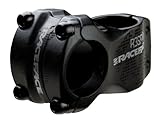
- Forged 6061 aluminum with 4-bolt handlebar clamp
- 10-degree stem angle and rise
- Interlocking U-shaped clamp
- 45 mm in length with 31.8mm diameter
- Weighs about 194-195 g
RaceFace Respond offers the essentials of a stem specifically for your mountain adventures. It is wielded with blasted 6061 aluminum, which gives a blend of strength and rigidity for high-intensity performance. The shorter stem of 45mm and 31.8 mm diameter allows a more swift and active feel.
Respond also comes with an interlocking U-shaped clamp. This design ensures more balanced rides by transferring most of the weight to the rest of the stem. The four-bolt clamp keeps your ride steady.
In my view, its 10° rise offers a balance between aggressive riding and comfort, which is key for new riders finding their style.
RaceFace Respond is ideal for those beginning their mountain biking journey.
This is a good pick for riders who want a shorter cockpit but do not want the bar too low. That 10° rise is useful if you are trying to add comfort and control at the same time.
Best for: entry-level trail riders, or riders who want short reach with a bit more front-end height.
Watch out for: it is not especially light, so it suits practical riders more than weight-focused ones.
7. Burgtec Enduro MK3 Stem
Best Heavy-Duty: Superior strength, impact, and fatigue resistance

- CNC-machined 6061-T6 aluminum with two-piece front clamp
- 0-degree rise
- 35mm, 42.5 mm, 50mm lengths with 31.8mm or 35mm clamp options
- Fits 1-1/8
Burgtec Enduro is another “must” stem on the list for your downhill rides. It offers a wingsuit accuracy for extreme rides that demands precision. With the CNC-machined aluminum, you are assured of superior strength, impact, and fatigue resistance.
Another great feature of Burgtec is the increased clamping surface area on the fork steerer tube, which significantly improves rigidity, which is crucial when you’re pushing limits on downhill trails. The result is a rock-solid feel as you go downhill. Stainless steel bolts add rust-free durability, ensuring this stem lasts even in harsh weather conditions.
You also get to choose from the wide-range color and length variations so you can enjoy customizing your bike.
This is one of the most modern-feeling stems in the list. The short lengths fit current trail and enduro geometry much better than old long-stem setups. If your goal is a sharp, direct cockpit that still feels very solid, this is one of the clearest choices here.
Best for: enduro riders, heavier riders, and anyone who wants a short, tough, precise front end.
Watch out for: it is a premium option, so the price is hard to call “budget-friendly.”
8. One Up EDC stem
Multi-Use Stem: Hidden wedge system for your tools

- CNC-machined 6061 aluminum
- Allotted space for your tools
- 0-degree rise
- 35 mm, 42 mm, and 50 mm lengths with 35mm clamp diameter
- Weighs varies by size
The One Up EDC stem offers a “next level” stem with its multi-purpose stem. It comes with a hidden wedge system that can contain the EDC tools inside the fork steerer. You get to carry your multi-tools without worrying about where to place them on your bike. This design is perfect if you’re someone who likes to be prepared on every ride without sacrificing style or performance.
Don’t worry about durability because it is made of CNC-machined aluminum and weighs less than 200 grams. You can choose to use the 35mm, 42mm, or 50mm lengths. To help you install with precision, there is a thick line at the center which serves as your guide.
The real appeal here is not just tool storage. It is also the tidy cockpit. If you hate clutter on the frame or bars, this kind of setup keeps things clean. OneUp also uses a no-gap faceplate design and clear torque guidance, which is useful for careful setup.
Best for: riders who want a clean setup and like the idea of hidden trail tools.
Watch out for: you need to check whether your chosen EDC storage setup needs extra compatible parts.
9. Ritchey WCS C220
Most Wide-Range Length: From the more aggressive 60mm to the more relaxed 140mm

- 2014 aluminum alloy with press-fit handlebar clamp
- 6-degree stem angle and rise
- 140, 130mm, 120mm, 110mm, 100mm, 90, 80, 70, 60 mm in length with 31.8mm and 35mm diameter
- Very lightweight stem at 132g
Shifting from the different mtb stems is quick and easy with WCS C220. It comes with wide-ranging stem lengths from the more aggressive 60mm to the more relaxed 140mm. Installing is also sweat-free, thanks to its press-fit clamp with 220° complete wrapping, which lessens wear and tear. The press-fit clamp reduces wear, ensuring a secure fit every time.
I’ve learned that its wide range allows riders to experiment with positioning until they find what’s most comfortable for long journeys or quick sprints.
Though C220 comes at a super lightweight of 132 grams, you can still depend on its excellent stiffness and stability because of its aluminum alloy composition. The +/- 6-degree rise is a perfect match for your enduro and mountain adventures.
This is the standout choice if you need more reach options than most modern MTB stems offer. It makes the most sense for riders building a longer cockpit, older-school MTB setups, flat-bar fitness bikes, or riders who know they need a longer stem on purpose.
Best for: riders who need longer fit options, not just short modern trail sizes.
Watch out for: it is less “modern trail bike” focused than the short 35-50mm stems above.
10. Race Face Turbine R
Best Design: With anodized colors and a rainbow palette

- 6061 aluminum with Top-Lock clamping system
- 0-degree stem angle and rise
- 32, 40, 50, 60, 70 mm in length with 35mm clamp diameter
- 42 mm stack
- Weighs 138 g at 50mm
If you are meticulously checking the designs of your bike parts to match the modern chic fashion in biking, RaceFace Turbine R is an excellent choice.
I appreciate the creative color options, which let you personalize your bike without compromising on strength. The top-lock system ensures a secure connection, making it reliable on every ride. The two upper fasteners are fully braced to the bottom stem clamps and reduce uneven clamping.
The CNC stem body ensures outstanding stiffness for the widest and burliest rides. The stem length variations also offer five sizes with 35mm clamp diameter for a more direct steering response.
Finally, the 0-degree angle of the stem allows you to enjoy the adventures of more aggressive rides.
I like this one for riders who want both clean looks and a very current fit range. The 32mm and 40mm options fit a lot of today’s trail and enduro bikes well, and the brand support is strong too.
Best for: riders who want premium finish, short modern lengths, and a proven brand.
Watch out for: the price can be hard to justify if your main goal is simple fit correction.
What to Look for When Buying the Mountain Bike Stems

Price
Mountain bike stems are all over the map when it comes to pricing. You can easily find ones under $20 or for hundreds of dollars. What you get in return goes up exponentially when you pay more, so when you’re paying a lot, consider what’s important to you and what kind of riding style that stem will fit best for.
If you’re worried about cost, remember that a higher price may offer extra durability and performance—but affordable options can work well for beginners.
My simple rule is this: pay for strength, fit, and trust first. Pay for finish and fancy machining after that. A stem is a small part, but it affects comfort, steering feel, and safety, so it is not the best place to chase the absolute cheapest option if you ride rough trails often.
Weight
Weight is a big deal when you’re trying to shave weight off your mountain bike. But weight isn’t everything – you want something solid and durable enough for aggressive riding as well as looking fabulous on your bike.
A lighter stem can reduce fatigue, but strength matters too. (When I choose a stem, I balance weight with durability to ensure a smooth ride on long adventures.)
For most mountain bikers, aluminum is still the practical default. It gives a good mix of strength, cost, and availability. Weight matters most once fit, clamp match, and intended use are already right. If you ride trail, enduro, or downhill, I would not put “lightest possible” above “stiff, secure, and proven.”
Bolts
Bolts are a great feature to have on your stem. More clamp bolts mean you can adjust the height and angle of your handlebars much easier. Even if your existing bolts aren’t stripped, it’s a good idea to get a new set because they can be easily stripped from crash landings or just from being loose over time.
What matters more than “more bolts” is even clamping, correct torque, and clean installation. Many good stems use four faceplate bolts and two steerer bolts, but the bigger safety point is to tighten them evenly and follow the maker’s torque advice.
Design
Some are super simple, while others have crazy design elements, but they’re all rad-looking! Even though the design isn’t a significant factor in choosing mountain bike stems, it’s still nice to get one that looks good on your bike.
The most common design is a straight design that looks very similar to a standard stem. There are also curved design mtb stems that give you more clearance on the handlebars and make your bike look more aerodynamic.
Consider how often you ride rough trails—extra clamps can provide extra peace of mind. More bolts often mean a more secure fit.
I would put design behind fit and compatibility, but not ignore it. A stem sits right in your line of sight every ride. If two stems fit the same and cost close to the same, it is fair to pick the one that better matches your bike.
Length
For mountain bike stem length, you want to look for a stem as long as your current one. If it’s too short or too long, the handling of your bike will be completely different and could be dangerous if you’re not used to it!
Height is a little bit harder to judge, but if your current mountain bike stem doesn’t have any bolts on it, you can measure the length of your existing bike stem.
If you have some bolts, just test out different heights with the handlebars until it’s comfortable enough for you. You want to make sure that your handlebars are at a height where you have good posture and control over your bike, so there is no strain on your back, shoulders, or wrists.
The best height is when you’re sitting upright, and your elbows are slightly bent. From there, check that the length from the tip of your elbow to your wrist is about equal to that length from your elbow to your shoulder – so they’re even. Once you’ve got the stem length right, the angle of your elbows will balance out the length of your arms.
A simple, straight design might be best for commuters, while a curved or adjustable design could help with aggressive trail riding.
Here is the clearer version:
- Shorter stem = bar feels closer, steering usually feels quicker, and the bike can feel easier to place in tight turns.
- Longer stem = more front-wheel weight and slower steering feel, which can suit some older XC setups or riders who need more reach.
- More positive rise = bar sits higher, which can feel more relaxed and can reduce pressure on hands, back, and shoulders.
- Lower or zero rise = more direct front-end feel, which many trail and gravity riders like.
A fast guide by riding style:
- Trail / enduro / aggressive riding: often 35-50mm works well on modern bikes
- General MTB / mixed use: 50-70mm is still common
- Older XC / flat-bar fitness / special fit cases: longer stems may still make sense
Before changing length, ask two questions:
- Does the bike feel too stretched or too cramped?
- Do I need more bar height, more bar closeness, or both?
That second question matters because a stem change affects reach and stack together, not one at a time.
Handlebar and Stem Clamp Diameter
In general, though, it’s best to get a bike stem with the same clamp diameter as your handlebar diameter.
For modern mountain bikes, the bar clamp size you will usually see is 31.8mm or 35mm. Your stem must match that exact bar clamp size. Most MTB steerers are 1-1/8 inch, but check your bike before buying because this is a fit-and-safety issue, not a style choice.
Dimensions
There are many different dimension options for buying a new mountain bike stem. There are full-sized, cut-down, and even specific models for certain types of mountain bikes like Surly, Pivot, and Santa Cruz.
Full-sized models are what you’re used to seeing on your bike and can be found in most bike shops. They come with dimension sizes such as 100, 110, or 120. If your current bicycle stem is one of those dimensions, then all you need to do is find one that’s the same dimension. But if it isn’t, it doesn’t matter because many stems are fixed, not adjustable, so you should choose size on purpose.
To find out what dimension you need, just measure your current stem. For example – if it’s 110mm, you want a 110mm or larger one for best fitment. Changing from 60mm to 40mm or from 70mm to 90mm can change handling and body position, so do not treat length as a small detail.
Cut down, and specific dimension stems are for when you want to make changes like a shortened cockpit or build a unique custom mountain bike. Make sure the handles of your stem aren’t too far in front of the bars; otherwise, it will be hard to hold onto!
A practical way to choose:
- Measure your current stem
- Decide whether you want the bar closer, farther, higher, or lower
- Change only one major thing at a time if possible
- Re-check brake hose and cable length if the front end moves a lot
Specialist Stems
Some mountain bike stems focus more on specific riding styles, but most can be used for just about anything. For example, many specialist stems offer better support and improved control because they’re built out of lightweight and strong materials like carbon and aluminum alloys. The only downside is that specialist mountain bike stems tend to be pretty expensive.
Most specialist mtb stems have extra bolts on the outside of them, allowing you to easily flip the mtb stem over if you break either one side or your handlebars. The bolts are usually thicker than standard mountain bike ones, so they can take more impact without snapping.
Brand-name mountain bike stems are good quality and have better manufacturing tolerances for less weight. Many specialist stems are manufactured in-house by the mountain bike company themselves, so it’s an opportunity for them to showcase their brand and show how much work they put into making mountain bikes that will outlast you!
It can be a little difficult to choose a specialist stem as a beginner because there is a lot of specialist terminology. The best thing to do is check out the reviews of specialist stems on this site to familiarize yourself with how they’re used and what people think about certain brands!
Buy specialist mountain bike stems from top brands that you know have reasonable quality control. Be aware that putting specialist parts on your bike can drastically increase its value, so if you’re into that, specialist mtb stems are a great addition to your mountain bike.
Good specialist mountain bike stems should be light and strong but not too heavy or won’t perform well. Buy specialist stems from top brands like Cane Creek, Easton, FSA, Renthal, Shimano, and Thomson.
I would translate all that into one buyer-friendly point: if you ride harder, it often makes sense to buy from a proven MTB brand with clear compatibility info, service support, and stated torque guidance. That does not guarantee perfection, but it does lower guesswork.
Compatibility and safety checks before you buy
This part is easy to skip, but it matters. Check these before you click “buy”:
- Bar clamp diameter: 31.8mm and 35mm are not interchangeable
- Steerer size: most modern MTBs use 1-1/8 inch
- Stack height: make sure your steerer has enough usable height for the stem
- Torque: tighten in stages and follow the maker’s spec
- Carbon bars: use extra care, because uneven clamping can cause real problems

How to Install a Mountain Bike Stem
Tools Required
- Allen wrenches: The size depends on your mtb stem and handlebar clamp.
- Torque wrench: This is optional but recommended.
Instructions
- Remove the old stem.
Using an Allen wrench, loosen and remove the bolts that hold the old stem to the steerer tube. Carefully slide the stem off the fork steerer tube. Take care not to damage the fork or any other components.
- Clean the area.
Take a clean cloth and wipe the steerer tube and clamp area to remove any dirt, grease, or debris. This will ensure that the new stem is installed securely and without any impediments.
- Align the stem.
Place the new stem on the steerer tube and align it with the front wheel. This will ensure the mountain bike handlebars are straight and the bike is easy to steer. You can use a level to ensure the stem is perfectly aligned.
- Tighten the bolts.
Insert the bolts through the stem and tighten them snugly but not fully. Make sure the bolts are threaded straight and not cross-threaded. Use the torque wrench to ensure the bolts are tightened to the correct torque.
- Check alignment.
Once the stem is tightened, check the alignment of the stem with the front wheel. Make any necessary adjustments before tightening the bolts completely.
- Final tightening.
Once the stem is properly aligned, tighten the bolts completely using the torque wrench. Do not overtighten the bolts, as this can damage the stem and handlebars.
Conclusion on the Best Mountain Bike Stems
Having difficulties which stem to add to your cart?
My simpler takeaway is this: choose the stem that best matches your bike, your fit problem, and your riding style. If you want a low-cost way to test bar height and reach, the Wake Stem can help. If you want a stronger short fixed stem for modern trail riding, options like the Renthal Apex Stem, Burgtec Enduro MK3 Stem, Race Face Chester, and Race Face Turbine R make more sense. If you need a longer fit range, the Ritchey WCS C220 stands out.
Before buying, check four things one more time: clamp size, stem length, rise, and intended use. That quick check can save you money and save you from a cockpit that looks right on paper but feels wrong on trail.
Have a fun ride!
Read also: on the best mountain bike upgrades: