Key Takeaways
- Yes, most BMX bikes have brakes—but not all riders choose to use them.
- BMX racing bikes almost always use brakes, while some freestyle setups go brakeless.
- Brakes significantly improve safety, especially for beginners and street riding.
- In many regions, riding a BMX bike without brakes on public roads is illegal.
- You can add or remove brakes depending on your riding style and environment.
Do BMX bikes have brakes? This is one of the first questions riders ask when deciding whether a BMX bike fits their riding style, safety needs, and local riding conditions.
Did you ever see someone zip by on a BMX bike and think, “Wow, that looks fun”? BMX biking, short for Bicycle Motocross, began as a grassroots movement in the late 1960s in California.
Kids would race their bicycles on dirt tracks, mimicking their motocross heroes, leading to what we now know as BMX racing. The sport quickly branched into two main styles: racing and freestyle, each captivating in its own right.
Need a Few Practical Extras for Your Next Ride?
Browse cycling-related clothing and simple bike accessories that may help with comfort, visibility, storage, or everyday riding.
Paid links. As an Amazon Associate we earn from qualifying purchases.

BMX Racing vs. Freestyle: How Brakes Fit In
- BMX Racing: This is all about speed and precision. Riders compete on dirt tracks, which include jumps, banked corners, and obstacles. It’s exhilarating and requires both physical strength and strategic thinking.
- Pros: Enhances quick decision-making skills, builds physical strength.
- Cons: Higher risk of high-speed crashes.
- Expert Tip: Start on beginner tracks and wear proper safety gear like helmets and pads.
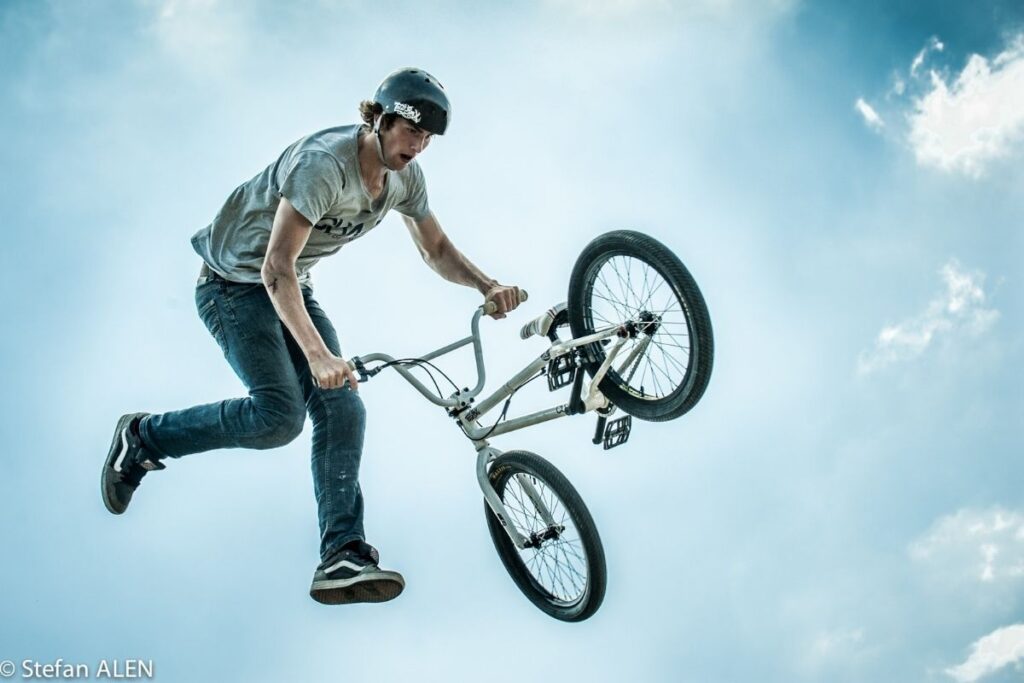
- Freestyle BMX: Here, creativity and flair take center stage. Riders perform tricks on flat ground, ramps, and rails. From breathtaking flips to intricate spins, freestyle BMX is about pushing the limits of what you can do on two wheels.
- Pros: Great for expressing creativity, improves balance and agility.
- Cons: Can be tough on the body, with a risk of falls during tricks.
- Expert Tip: Practice in skate parks with proper safety equipment, and consider lessons to learn the basics safely.
Why BMX Biking Captures Hearts
BMX biking isn’t just a sport; it’s a culture. It’s about freedom, expression, and community. Riders often gather to share tips, challenge each other, and push the boundaries of what’s possible on a bike.
Whether you’re eight or eighty, BMX biking has something to offer. It’s a fantastic way to stay active, meet like-minded individuals, and even travel—competitions can take you all over the globe.
- Community Aspect: BMX riders often form tight-knit groups that practice together and support each other during competitions.
- Health Benefits: Regular BMX biking improves cardiovascular fitness, muscle strength, and coordination.

Brief History of BMX Bikes
BMX bikes have a rich and exciting history that mirrors the evolution of cycling sports. From humble beginnings to global competitions, let’s take a quick ride through time to see how BMX biking evolved into the thrilling sport it is today.
- The 1970s: The Birth of BMX
- Origin: BMX biking started in the late 1960s and early 1970s in Southern California. Children and teenagers began racing their bicycles on dirt tracks, imitating motocross stars.
- First BMX Bike: Schwinn created one of the first bikes designed specifically for BMX in 1970, known as the Schwinn Sting-Ray.
- Key Event: The sport gained significant attention when a 1972 motorcycle magazine published a feature on kids racing bikes on a dirt track.
- The 1980s: Rising Popularity
- Media Exposure: The 1982 movie “E.T. the Extra-Terrestrial” featured BMX bikes, dramatically boosting their popularity among young people worldwide.
- First World Championship: The first BMX World Championships were held in 1982, officially recognizing BMX as a competitive sport.
- Innovation in Design: This era saw innovations in bike design, including lighter frames and better brakes, enhancing performance and safety.
- The 1990s to 2000s: Expansion and Inclusion
- Olympic Sport: By the 2000s, BMX racing gained enough popularity to be included as an official Olympic sport in the 2008 Beijing Olympics.
- Freestyle BMX: Freestyle BMX also grew, with the X-Games showcasing this style to a global audience, starting in the late ’90s.
- Today: A Diverse Sport
- Global Reach: Today, BMX biking is a worldwide phenomenon, with riders from all continents competing in races and trick competitions.
- Technological Advances: Modern BMX bikes are lighter and stronger than ever, crafted from advanced materials like carbon fiber and titanium.
- Cultural Impact: BMX has influenced street fashion, music, and art, embedding itself deeply in global youth culture.
How BMX Bikes Have Changed
- Old vs. New: Early BMX bikes were modified versions of existing bicycles, often beefed up to handle rough terrains. Today’s BMX bikes are engineered specifically for racing and tricks, with specialized designs for each.
- Material Improvements: Initially made from heavy steel, newer BMX bikes utilize lightweight materials that enhance performance without sacrificing durability.
Do BMX Bikes Have Brakes? A Clear Answer
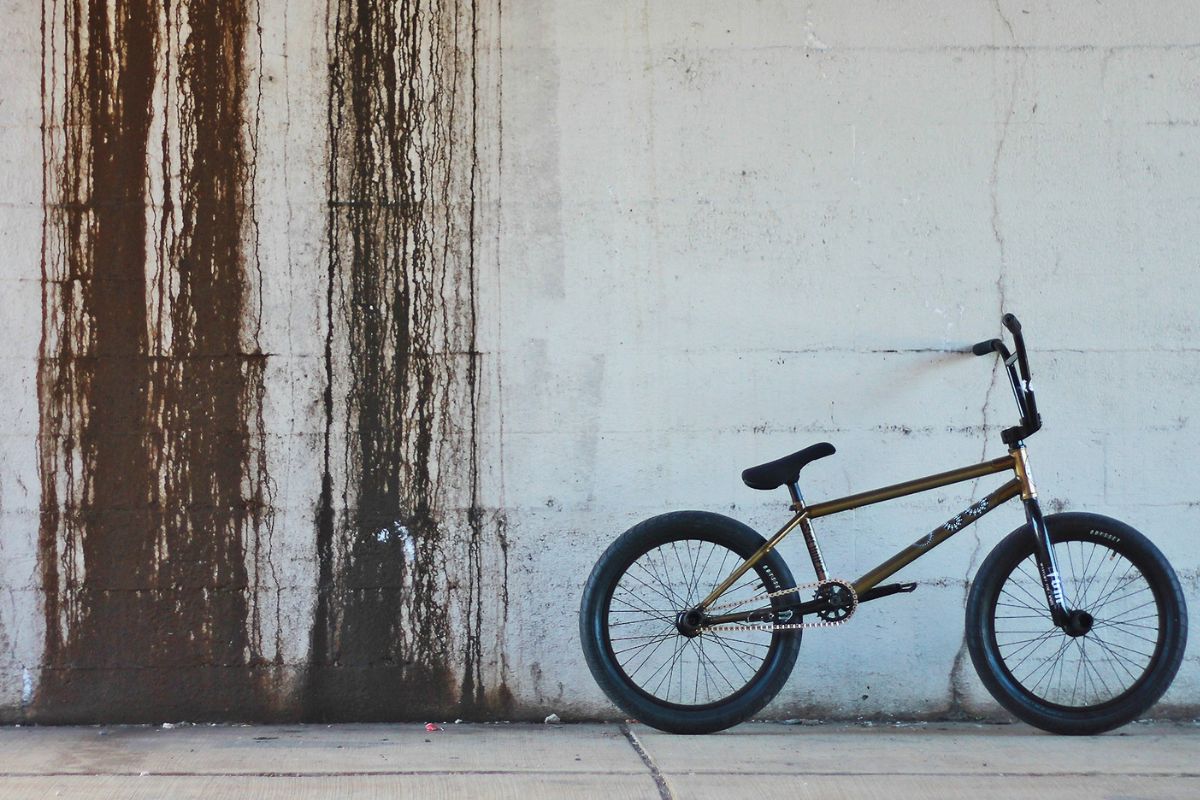
Yes—most BMX bikes are manufactured with brakes, but some riders choose to remove them depending on how and where they ride.
Reasons for Brakeless BMX Bikes
- Increased Control for Tricks: Without brakes, riders rely on body movements to control the bike, which can enhance maneuverability during complex tricks.
- Simplicity and Weight Reduction: Removing brakes reduces the bike’s weight slightly and simplifies its mechanics, which some riders prefer for a more straightforward setup.
The Case for Using Brakes
- Safety: For beginners and even experienced riders, having brakes is a safety measure, especially in unexpected situations.
- Legal Requirements: In many places, the law requires bicycles to have brakes, which means riding a brakeless BMX could actually be illegal on public roads.
Types of Brakes Used in BMX
- U-Brakes: Most common on BMX bikes, these are mounted directly above the wheel and provide strong stopping power without adding much weight.
- Caliper Brakes: Found mainly on older or entry-level BMX bikes, these clamp the rim with a single pivot point.
- Disc Brakes: While not traditional for BMX, some newer models, especially those used for BMX racing, are adopting disc brakes for their superior performance in all weather conditions.
Pros and Cons of Having Brakes on a BMX Bike
- Pros:
- Enhanced safety, reducing the risk of collisions.
- Compliance with legal standards for road use.
- Better control in racing environments where speed management is crucial.
- Cons:
- Potential interference with certain freestyle tricks.
- Additional maintenance and weight.
Expert Tips
- Choosing the Right Setup: If you’re just starting out, it’s wise to begin with brakes. You can always modify your BMX as you gain skills and confidence.
- Customization: BMX is all about making your bike your own. If you decide brakes are not for you, ensure you’re riding in safe environments and you’re skilled in brakeless riding techniques.
Understanding whether to have brakes on your BMX bike comes down to your riding style, safety considerations, and legal requirements. Whether you’re racing down a dirt track or flipping through a skate park, knowing the role brakes play can help you make informed decisions about your BMX setup.


Are Brakeless BMX Bikes Safe? What Research Shows
Research on cycling safety consistently shows that braking capability plays a critical role in crash prevention and injury severity.
Studies on bicycle crash dynamics indicate that loss of braking control is a major factor in single-bicycle accidents, particularly among younger and stunt-oriented riders.
Additional research on bicycle braking mechanics demonstrates that using effective braking systems—especially when both wheels are involved—significantly improves stopping distance and stability.
Injury surveillance research also shows that BMX riders experience higher rates of upper-limb and facial injuries, often linked to sudden loss of speed control.
These findings reinforce why brakes are strongly recommended for beginners and street riding, even though advanced riders may safely ride brakeless in controlled environments.
Legal Considerations: Where Brakes are Required by Law
In many countries, including parts of the United States, UK, and Australia, the law requires bicycles to have at least one working brake when ridden on public roads. The specific requirements can vary significantly from one place to another:
- United States: The law varies by state, but most require bicycles to be equipped with a brake that enables the rider to make the braked wheels skid on dry, level, clean pavement.
- United Kingdom: The law requires bicycles used on roads to have two working brakes. For BMX bikes, which are often designed with only a rear brake, this can be a legal issue if used on public roads.
- Australia: Similar to the UK, Australian law requires bikes on roads to have two effective braking systems, one for each wheel.
Key Points to Consider:
- Check Local Laws: Always check the specific bicycle laws in your area or any area where you plan to ride. Local laws can differ significantly, and knowing the regulations can help avoid fines or legal issues.
- BMX on Private Property: If you’re riding on private property, such as at a BMX track or skate park, the legal requirements for brakes may not apply. However, it’s still important to consider safety.
- Modifications: If you wish to ride a BMX bike without brakes (brakeless), consider using it exclusively in designated areas away from public roads to comply with local laws.
For BMX riders, it’s essential to balance your preferences for bike setup with the legal requirements of your locality. This ensures not only safety but also that you’re riding within the bounds of the law.

Types of Brakes Used in BMX Bikes
Braking systems are a critical component of BMX bikes, particularly for safety and performance. There are several types of brakes used in BMX, each with its own set of benefits and applications. Let’s explore the most common types you’ll find on BMX bikes today.
U-Brakes
- Description: U-brakes are mounted directly above the wheel, with arms that extend around the rim. They are attached to the bike’s frame or fork.
- Common Use: Predominantly found on freestyle BMX bikes because they are compact and less likely to snag on the rider’s clothes during tricks.
- Pros:
- Low profile, reducing the risk of interference during stunts.
- Effective stopping power suitable for quick stops.
- Cons:
- Can be less effective in muddy or wet conditions compared to other brake types.
- Requires regular adjustments to maintain optimal performance.
Caliper Brakes
- Description: These brakes feature a single arm that extends over the top of the wheel, clamping down on the rim with brake pads.
- Common Use: More common on older BMX models and some entry-level bikes.
- Pros:
- Simplicity of design makes them easy to maintain.
- Generally cheaper than more complex brake systems.
- Cons:
- Less powerful than modern braking systems, making them less ideal for high-speed racing or advanced freestyle.
- Can struggle with rim wear and alignment issues.
Disc Brakes
- Description: Consist of a brake disc attached to the wheel hub and a caliper that grips the disc.
- Emerging Trend: While not traditional for BMX, disc brakes are becoming more popular, especially in BMX racing.
- Pros:
- Superior stopping power in various weather conditions.
- Consistent performance, minimal maintenance required once set up properly.
- Cons:
- Heavier and more expensive than most traditional BMX braking systems.
- Installation can be complex, requiring specific frames and wheels.
V-Brakes
- Description: Similar to caliper brakes, but with two separate arms that press the pads against the rim, offering better leverage.
- Common Use: Sometimes used in BMX racing for their improved stopping power over caliper brakes.
- Pros:
- Better stopping power than caliper brakes, suitable for high-speed control.
- Easier to adjust and maintain than disc brakes.
- Cons:
- Not as effective in dirty or wet conditions as disc brakes.
- Requires precise setup for optimal performance.
Choosing the Right Brake
- Consider Your Riding Style: The type of BMX riding you do should influence your brake choice. Racers need reliable, quick-response brakes, while freestyle riders might prefer the minimalism of U-brakes or even a brakeless setup.
- Maintenance and Upkeep: Consider how much time and effort you are willing to invest in maintaining your brakes. Some systems require more frequent adjustments and can be more sensitive to wear and tear.
- Budget: Disc brakes tend to be more expensive but offer better performance in diverse conditions. Weigh the cost against the potential benefits for your style of riding.
Understanding the different types of brakes used in BMX can greatly enhance your riding experience by matching the right type with your specific biking needs. Whether you’re executing intricate freestyle tricks or racing down a dirt track, the right brakes can make all the difference in performance and safety.

Installing and Maintaining Your BMX Brakes
Proper installation and maintenance of your BMX brakes are crucial for ensuring performance and safety. Whether you’re setting up a new braking system or keeping your current one in top shape, here’s a step-by-step guide and some maintenance tips to help you along.
How to Install BMX Brakes
- Gather Your Tools: You’ll typically need a set of Allen wrenches, a Phillips head screwdriver, and possibly a wrench for the brake cable bolt.
- Mount the Brake Arms: Attach each brake arm to the frame’s brake mounts. Ensure they are evenly positioned on each side of the rim.
- Attach the Brake Cable:
- Thread the brake cable through the lever and down to the caliper.
- Secure the cable to the caliper. Make sure there’s enough tension for effective braking but enough slack to allow full movement.
- Align the Brake Pads:
- Adjust the pads so they squarely hit the rim, not touching the tire or missing the rim.
- Tighten the pads firmly once they are correctly aligned.
- Test and Adjust:
- Squeeze the brake lever to test the tension and adjust as needed.
- Spin the wheel to ensure the brake does not rub when not engaged.
Maintaining Your BMX Brakes
- Regular Cleaning: Dirt and grime can reduce braking efficiency.
- Wipe down the rim and brake pads regularly to remove any dirt or debris.
- Use a mild cleaner on the rim to improve pad grip during braking.
- Check for Wear:
- Inspect brake pads for wear periodically. Replace them if they’re worn down to avoid damage to the rims and ensure optimal braking.
- Check the brake cables for fraying or rusting, which can weaken the cable and affect performance.
- Adjust for Performance:
- Tighten or replace the brake cable if you notice decreased responsiveness.
- Realign the brake pads if they start hitting the tire or missing the rim area, as this can occur with regular use and vibration.
Expert Tips
- Seasonal Adjustments: Be mindful of changes in weather. Brakes can behave differently in cold or wet conditions, and adjustments might be necessary to maintain effectiveness.
- Professional Help: If you’re unsure about any aspect of brake installation or maintenance, don’t hesitate to bring your bike to a professional. It’s especially important if you’re experiencing ongoing issues with braking performance.
- Practice Safety: Always test your brakes in a safe area after making adjustments or installations to ensure they are working correctly before heading out.
Understanding the intricacies of BMX brakes—from the types available to the specifics of installation and maintenance—is crucial for any rider, whether you’re just starting out or have been riding for years.
Brakes are more than just a safety feature; they are an integral part of your BMX bike that influences your riding experience and performance.
In this guide, we’ve covered everything from the history of BMX and the different types of brakes used in BMX bikes to detailed instructions on installing and maintaining these systems.
By choosing the right brakes for your riding style and keeping them well-maintained, you ensure a safer and more enjoyable riding experience.
Remember, the right knowledge and tools not only keep you safe but also enhance your confidence on the bike, whether you’re racing, performing tricks, or just cruising around.
Helpful BMX Resources
If you’re exploring BMX riding further, these guides can help:
- If you’re learning foundational skills: bmx tricks for beginners
- If you’re comparing bike types: bmx vs mountain bike
- For better grip and control: best bmx shoes
- For improved pedal feel: best bmx pedals
Conclusion: Do BMX Bikes Have Brakes?
Do BMX bikes have brakes? Yes—most do, but whether you use them depends on your riding style, experience level, and where you ride.
Brakes improve safety, control, and legality for most riders, while brakeless setups are best reserved for advanced freestyle riders in controlled environments. Understanding the role of brakes helps you ride smarter, safer, and with more confidence—no matter how you choose to ride.
References
Beck, B., Stevenson, M., Newstead, S., Cameron, P., Judson, R., Edwards, E. R., Bucknill, A., Johnson, M., & Gabbe, B. (2016). Bicycling crash characteristics: An in-depth crash investigation study. Accident; analysis and prevention, 96, 219–227. https://doi.org/10.1016/j.aap.2016.08.012
Worrell J. (1985). BMX bicycles: accident comparison with other models. Archives of emergency medicine, 2(4), 209–213. https://doi.org/10.1136/emj.2.4.209