Key Takeaways: Injury Prevention for Mountain Biking
- Use the right MTB safety gear (helmets, gloves, padding, shoes) to reduce impact injuries.
- Learn proper mountain biking techniques to avoid crashes and overuse injuries.
- Stay hydrated and fuel properly to maintain focus and reduce fatigue-related accidents.
- Warm up, cool down, and cross-train to prevent muscle strain and overuse injuries.
- Plan your ride and know your limits—don’t push beyond your skill level.
- Adopt proactive strategies like mental focus and “tuck and roll” techniques for safer riding.
- Recovery, rest, and medical guidance are essential when injuries occur.
Injury prevention for mountain biking is one of the most important yet overlooked aspects of the sport.
While the thrill of steep descents and technical trails excites riders, it also brings risks—ranging from scrapes to serious fractures.
Many bikers underestimate the long-term impact of overuse injuries or push beyond their limits without proper preparation.
Need a Few Practical Extras for Your Next Ride?
Browse cycling-related clothing and simple bike accessories that may help with comfort, visibility, storage, or everyday riding.
Paid links. As an Amazon Associate we earn from qualifying purchases.
This guide breaks down gear essentials, techniques, proactive strategies, and recovery methods so you can stay safe and keep enjoying every ride.
Understanding Mountain Biking Injuries

Mountain biking injuries? Yeah, they’re a thing. And they come in two main flavors: traumatic and overuse injuries. Let’s dive in and get to know them better.
Traumatic Injuries
Traumatic injuries are the sudden, unexpected ones. They’re the “ouch” moments that happen when you take a tumble or have a crash. Think fractures, tears, and even concussions.
Expert insight: Studies note that upper extremity injuries (shoulder and wrist) are common in MTB crashes (Caine et al., 2018).
Overuse Injuries
Now, overuse injuries are a different beast. They’re the sneaky ones that creep up on you over time. We’re talking muscle or ligament sprains, strains, and tears.
Imagine pedaling up a steep hill, your muscles straining with each push. You’re pushing your body to its limits, and if you’re not careful, those limits can push back. That’s when overuse injuries can strike.
Both types of injuries can put a damper on your mountain biking adventures. But don’t fret! With the right knowledge and precautions, you can minimize these risks and keep the good times rolling. Stay tuned as we delve deeper into the world of injury prevention in mountain biking.
Research shows overuse injuries are more common in endurance MTB events where repetitive strain is high (Gaulrapp et al., 2001).
Essential Gear for Injury Prevention
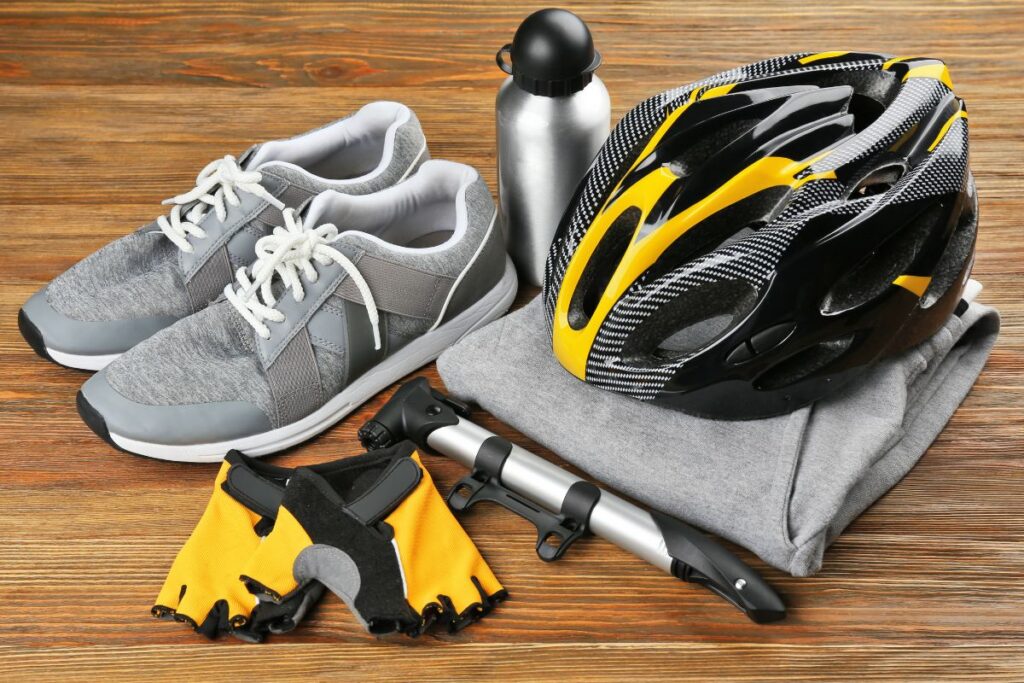
Let’s talk gear. The right equipment can make a world of difference in preventing injuries. It’s like your personal suit of armor against the unpredictable trail.
- Helmets: This is a no-brainer (pun intended). A good helmet can protect your noggin from serious damage. But remember, not all helmets are created equal. Make sure to choose one specifically designed for mountain biking. They offer more coverage and are built to withstand the rough and tumble of the trail.
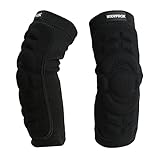
- Protective Clothing: Think of this as your second skin. It can shield you from scrapes and cuts if you take a spill. Look for long-sleeved jerseys and full-length pants made from durable materials. Bonus points for padding in high-impact areas like the elbows and knees.
- Gloves and Shoes: These not only protect your hands and feet but also improve your grip and control. This means less chance of slipping off the pedals or losing your grip on the handlebars.
The right gear might seem like an investment, but trust us, it’s worth every penny when it comes to injury prevention.
👉 For skill-related safety, explore mountain biking techniques.



Practical Tips to Avoid Common MTB Injuries

Now that we’re all geared up, let’s talk strategy. Here are some expert-approved tips to keep you safe on the trails.
- Know Your Limits: Mountain biking can be a test of endurance, but it’s important not to push yourself too hard. Listen to your body and take breaks when needed.
- Master the Basics: Good technique can go a long way in preventing injuries. This includes everything from proper body positioning to effective braking.
- Stay Hydrated: Dehydration can lead to fatigue and loss of concentration, increasing the risk of accidents. Always bring enough water for your ride.
- Plan Your Ride: Familiarize yourself with the trail before you set off. Knowing what to expect can help you prepare for any challenging sections.
- Warm Up and Cool Down: This can help prevent overuse injuries. Start with some light stretching and a slow ride to get your muscles warmed up. After your ride, take the time to cool down and stretch again.
👉 Want to ride stronger and safer? Check out how to improve cycling speed and endurance.
Dealing with Injuries: Recovery and Healing
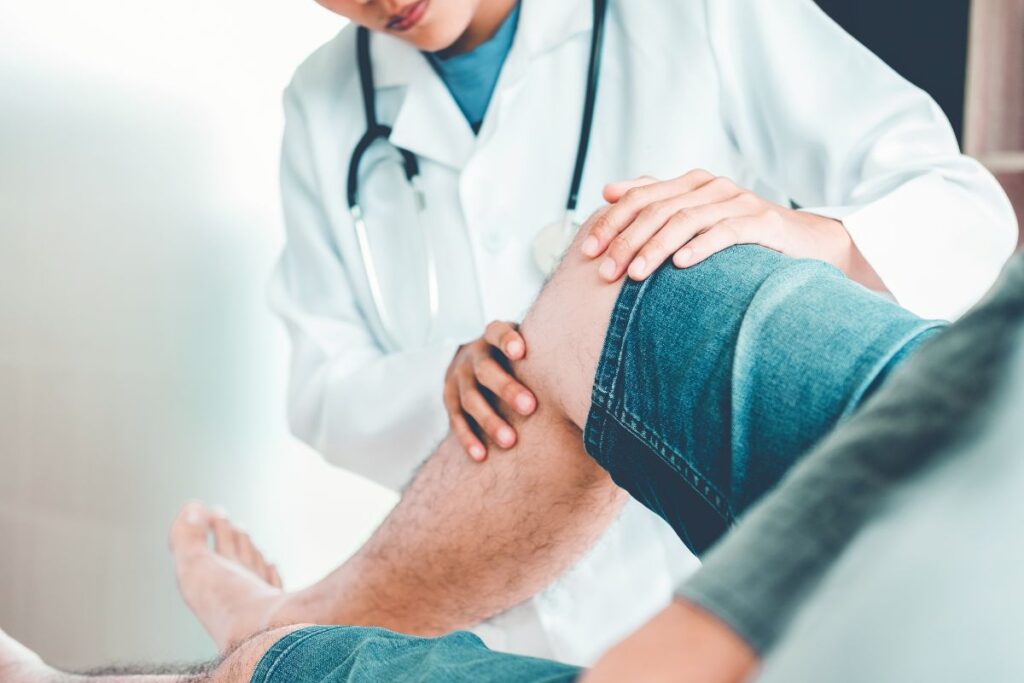
Even with the best precautions, injuries can still happen. But don’t worry, it’s not the end of the world. Let’s talk about the healing process.
- Rest and Recuperation: This is your body’s time to heal. For minor injuries like sprains and strains, this might mean a few days or weeks of rest. Listen to your body and give it the time it needs.
- Physical Therapy: For more serious injuries, physical therapy can be a game-changer. It can help restore strength and mobility, getting you back on the bike sooner.
- Medical Intervention: In some cases, surgery might be necessary. This is typically for severe injuries like fractures or torn ligaments. Always consult with a healthcare professional to understand your options.
Remember, every body is different, and healing takes time. Be patient with yourself and focus on your recovery.
Pro Tip: Use mental training during recovery to maintain motivation—see mental training for mountain biking.
Proactive Measures for Reducing Risk of Injuries
Prevention is better than cure, right? Here are some proactive measures you can take to reduce your risk of injuries.
- Relaxation of Muscles: Tense muscles are more prone to injury. Try to stay relaxed on the bike, especially during challenging sections of the trail.
- The “Tuck and Roll” Maneuver: If a fall is inevitable, try to tuck and roll. This can help protect your limbs and dissipate the force of impact.
These measures might seem simple, but they can make a big difference in injury prevention.
Common MTB Injuries and Prevention Tips
| Injury Type | Example | Prevention Strategy |
|---|---|---|
| Concussion | Crash head impact | MTB helmet w/ MIPS, ride within limits |
| Wrist/Shoulder Injuries | Fall on hand/shoulder | Gloves, strengthening, correct fall technique |
| Knee Pain (overuse) | Long climbs | Proper bike fit, warm-up, stretching |
| Lower Back Strain | Poor posture | Core training, correct bike fit |
Related Articles for Complete MTB Safety
For a full-rounded training and safety approach:

FAQs on Injury Prevention in Mountain Biking
What’s the most common MTB injury?
Upper extremity injuries like wrist fractures are the most frequent.
How can I prevent overuse injuries?
Ensure proper bike fit, add cross-training, and respect rest days.
Is protective gear enough to prevent all injuries?
No, but it greatly reduces severity. Combine gear with skill training and safe habits.
Conclusion
Injury prevention for mountain biking is about preparation, awareness, and recovery. With the right gear, strong riding habits, proactive safety strategies, and respect for your body’s limits, you can reduce risks and maximize fun on the trails. Stay safe, ride smart, and keep the adventure alive.
References
- Gaulrapp, H., Weber, A., & Rosemeyer, B. (2001). Injuries in mountain biking. Knee surgery, sports traumatology, arthroscopy : official journal of the ESSKA, 9(1), 48–53. https://doi.org/10.1007/s001670000145
- Caine, D. J., Young, K., & Provance, A. J. (2018). Pediatric and adolescent injury in mountain biking. Research in sports medicine (Print), 26(sup1), 71–90. https://doi.org/10.1080/15438627.2018.1438284