Key Takeaways
- How fast can you go on a bike varies widely—from 9.5 mph (urban crossings) to over 174 mph (world record).
- Factors like bike type, fitness, terrain, and weather dramatically impact your top speed.
- Average cyclists ride between 15–27 km/h (9.5–17 mph); professionals routinely exceed 40 mph.
- Training, aerodynamics, and equipment upgrades can add 5–10 mph to your top speed.
“How fast can you go on a bike?”
That’s a question that has been asked for generations. While there is no definitive answer, we can make some educated guesses.
In this article, we’ll look at the different factors that affect how fast you can go on a bike. We’ll also explore some of the fastest bikes in the world. So, if you’re curious about how fast you can go on two wheels, read on!
Need a Few Practical Extras for Your Next Ride?
Browse cycling-related clothing and simple bike accessories that may help with comfort, visibility, storage, or everyday riding.
Paid links. As an Amazon Associate we earn from qualifying purchases.

How fast can you ride a bike?
The maximum speed is around 30 mph, on average. The average speed for professional cyclists is about 45 mph. However, how fast you can ride a bike depends on several factors.
A beginner cyclist has an average speed of 10 to 14 mph. With some training, most people can reach speeds between 25 and 30 mph.
How fast can professional cyclists go?

Professional cyclists can ride at speeds of up to 45 mph on average. However, they’ve been known to reach speeds of over 60 mph on flat terrain. When racing downhill, professional cyclists have reached speeds of over 70 mph!
A professional Tour de France cyclist has an average speed of about 25 mph, taking flat, hill climbs, and sprints into account. Participants of the Tour de France have an average speed ranging from 26 to 29 mph, with a maximum speed of 34.5 mph on flat terrains.
On downhill rides, professional cyclists can reach speeds of over 65 mph or 110 km/h.

What is the world record for the fastest bike speed?
Neil Campbell holds the world record for the fastest bike speed at 174.339 mph or 280.571 km/h. On August 18, 2019, he set the record at Elvington Airfield in Yorkshire, UK.
Key Cycling Speed Statistics
Based on recent research and compiled data, here are essential facts about how fast people can go on a bike:
- General cyclists average 15–27 km/h (9.5–17 mph), depending on conditions and terrain. Men average around 18.67 km/h, women about 15.77 km/h .
- Urban cyclists crossing intersections average 11.44 km/h (7.1 mph) for through movements .
- Electric bike commuters average 15–20 mph (24–32 km/h) .
- Recreational women cyclists often average 10–12 mph (16–19 km/h) .
- College cycling athletes maintain speeds around 25 mph (40 km/h) .
- Professional long-distance racers average 25–28 mph (40–45 km/h); time‐trial specialists reach 30–32 mph (48–51 km/h) .
- Group rides benefit from drafting, averaging 22–25 mph (35–40 km/h).
- The fastest recorded speed on a flat surface without wind assistance is 83 mph (133 km/h) under special conditions .
- In ultra‐endurance cycling, one athlete covered 896 km at 37.34 km/h (23.2 mph) in 24 hours, with speed declining over time .
- Speeds on live roadways average 19–26 km/h (12–16 mph); shared trails average 15–21 km/h (9.5–13 mph) .
- GPS and video analysis capture typical cycling speeds of 17–36 km/h (10.5–22 mph) .
These findings highlight that typical cycling speeds depend heavily on factors such as cyclist experience, terrain, traffic conditions, and bike type (electric vs. manual). Professional and competitive cyclists can sustain much higher speeds than recreational riders.
Read also: Average Cycling Speed By Age

Bike Factors that Affect Biking Speed
Some of the things that affect how fast you can ride a bike include:
- The type of bike you’re riding
- Your level of fitness
- The terrain you’re riding on
- The weather conditions
Bike Type
The type of bike you’re riding will impact how fast you can go. Road bikes, for example, are designed for speed and efficiency. Mountain bikes, on the other hand, are built for stability and durability. As such, mountain bikes are not as fast as road bikes.
Here are some average speeds for different types of bikes:
- Mountain bike: 10-15 mph or 16-24 km/h
- Road bike: 12-18 mph or 19-30 km/h
- Hybrid bike: 11-17 mph or 18-27 km/h
Weight
The weight of the bike affects how much energy is required to pedal. The lighter the bike, the easier it is to pedal and the faster you can go.
Aerodynamics
The aerodynamic design of the bike also affects how fast you can ride. Aero bikes are designed to reduce drag and help riders go faster. For example, road bikes have drop-down handlebars that allow riders to tuck in and reduce wind resistance.
Tires and Wheels
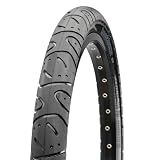
The type of tires and wheels you have on your bike will also affect your speed. Smooth, thin tires are designed for speed, while thicker tires are better for stability and traction.
Larger wheels can also help you go faster because they cover more ground with each revolution. However, larger wheels can also make pedaling harder.


Suspension
Suspension systems help absorb shocks from bumps in the road. As such, they can make your ride more comfortable. However, suspension can also add weight and resistance, slowing you down.
Gears
Gears help you pedal more efficiently by making it easier to turn the pedals. The more gears you have, the easier it is to find the right gear for the terrain and your fitness level.
Fitness Level
Your fitness level is a big factor in how fast you can ride a bike. The stronger and more conditioned you are, the easier it will be to pedal and the faster you can go.
If you’re just starting, don’t expect to be going as fast as the pros right away. It takes time and training to build up your strength and endurance.
Strength and Endurance
If you want to ride faster, you need to train your body to be stronger and more endurance. Strength training will help you pedal with more power. Endurance training will help you ride for longer periods without getting tired.
Terrain
The terrain you’re riding on will also affect your speed. Riding on flat, smooth roads is obviously faster than riding on rough, hilly trails.
Weather Conditions
Finally, the weather conditions can affect how fast you can ride a bike. Wind, rain, and heat can make pedaling more difficult and slow you down.

Tips on How to Improve Your Biking Speed

Here are some tips on how to improve your biking speed:
1. Get a bike that’s designed for speed. Road bikes and aero bikes are your best bet.
2. Make sure your bike is well-maintained and in good working order.
3. Follow a structured training plan. Incorporate strength (squats, lunges) and endurance (long rides, intervals) workouts.
4. Ride in good weather conditions. Wind, rain, and heat can make pedaling more difficult.
5. Improve your weight. The lighter you are, the easier pedaling will be, and the faster you can go.
6. Improve your aerodynamics. Tuck in your arms and legs to reduce wind resistance.
Final Thoughts: How Fast Can You Go on a Bike?
How fast you can ride a bike depends on several factors, including the type of bike you’re riding, your level of fitness, and the terrain. If you want to ride faster, get a bike designed for speed, train your body to be stronger and more endurance, and improve your aerodynamics.
With some practice and perseverance, you’ll be able to ride faster in no time.
Read also: How Fast Can a Mountain Bike Go? Speed Limits & Factors