Key Takeaway: Choosing the right mountain bike tire width influences your ride’s speed, grip, comfort and durability — use this guide to pick smart and ride confidently.
Mountain bike tire width is one of those decisions that can quietly sabotage your ride — or make it feel effortlessly smooth and confident.
If you’re riding through urban commutes, weekend group trails or rugged singletrack, getting the tire width right matters.
With modern frames, tubeless setups and terrain that demands versatility, the width of your tyre plays a major role. Choose too narrow and you might slip or get bounced around.
Need a Few Practical Extras for Your Next Ride?
Browse cycling-related clothing and simple bike accessories that may help with comfort, visibility, storage, or everyday riding.
Paid links. As an Amazon Associate we earn from qualifying purchases.
Choose too wide (without the right bike clearance) and you may lose speed or add unwanted weight.
This guide walks you through the why, the how and the what of mountain bike tire width — so you can get the right setup for your ride and your style.
Understanding the Basics: What is Tire Width? (and Why it Matters)

Diving into the nitty-gritty, let’s break down what we mean by tire width.
Definition and Measurement
So, what exactly is tire width? It’s the distance from one side of the tire to the other, measured in inches.
But here’s where it gets a tad tricky. There’s a thing called nominal width and actual width. Nominal is what’s advertised, like “2.1 inches.”
But, ever noticed how sometimes it doesn’t quite match up when you measure it yourself? That’s the actual width. It can vary due to tire pressure and the rim it’s mounted on.
Standard Mountain Bike Tire Widths
Common mountain bike tire widths you might come across include:
- 1.9″: These are your speed demons. Perfect for smooth trails where you want to zip through.
- 2.1″: A bit more grip than the 1.9″, but still on the faster side. Great for mixed terrains.
- 2.25″: The middle child. It’s versatile and can handle a bit of everything.
- 2.4″: Now we’re getting into the grippier territory. Think loose terrains and rugged trails.
- 2.6″ and above: These are your beasts. They offer maximum grip and cushioning, ideal for those rough and tumble rides.
Additional Insight: Academic literature shows that tyre width is one of the operating conditions influencing rolling resistance — wider tyres can deform differently, affecting energy losses (Grappe et al., 1999).

Factors Influencing the Best Tire Width Choice

Picking the right tire width isn’t just about what’s trendy or what your buddy recommends. Several factors come into play.
Terrain and Trail Type
The ground you’re riding on? It’s a big deal. Different terrains call for different tire widths.
- Hardpack: Think of those compacted, smooth trails. Here, a narrower tire like 1.9″ to 2.1″ should do the trick. It offers less rolling resistance and more speed.
- Loose over hard: This is where the top layer is loose, but there’s a hard base underneath. A tire width of around 2.1″ to 2.25″ offers a good balance of grip and speed.
- Loose: Gravel, sand, or any terrain where your tire might sink a bit. Here, you’d want something wider, say 2.4″ to 2.6″, for better stability and grip.
- Muddy: Ah, the messy fun! For muddy terrains, go for wider tires, 2.6″ and above. They’ll help you paddle through the muck without getting bogged down.
Rider’s Skill Level
Your skill level plays a role too. It’s like how a newbie skier wouldn’t start on a black diamond slope.
- Beginner: If you’re just starting out, a tire width of around 2.25″ is a safe bet. It offers a good mix of stability and versatility as you find your footing (or should I say pedaling?).
- Intermediate: You’ve got some rides under your belt, and you’re looking to experiment. Anything from 2.1″ to 2.4″ should serve you well, depending on the terrain.
- Advanced: For those who live and breathe mountain biking, it’s all about fine-tuning. You probably have a preference already, but widths from 2.4″ and above can offer that precision and grip you crave.
Bike Type and Frame Clearance
Not all bikes are created equal. And your bike type can influence your tire width choice.
- XC (Cross Country): These bikes are built for speed and efficiency. Typically, they work best with narrower tires, around 1.9″ to 2.25″.
- Trail: The all-rounders of the mountain biking world. They’re versatile and can handle a range of tire widths, usually between 2.1″ to 2.6″.
- Enduro: Built for rough terrains and longer descents. Wider tires, like 2.4″ to 2.8″, are your friends here.
- Downhill: These are the beasts, built for steep and technical descents. You’d want the grip and cushioning of wider tires, typically 2.5″ and above.
But, a word of caution! Always check your frame clearance. The last thing you want is a tire that rubs against your frame. It’s like trying to fit into those jeans from high school. Sometimes, it’s just not meant to be.
Read also: What Are The Different Types of Mountain Bikes

Benefits and Drawbacks of Various Tire Widths
Choosing a tire width is a bit like picking a flavor at an ice cream shop. Each has its own perks and quirks.
Narrow Tires (e.g., 1.9″ – 2.1″)
Remember the thrill of speeding down a smooth trail, wind in your hair, feeling like you’re flying? That’s the magic of narrow tires.
Benefits:
- Faster rolling: These tires are built for speed. With less surface area touching the ground, you can really pick up the pace.
- Less resistance: Less rubber on the road means you can pedal with ease, making them perfect for smooth terrains or racing scenarios.
Drawbacks:
- Less grip: The trade-off for speed is grip. On loose or wet terrains, these might feel a bit slippery.
- Not ideal for loose terrain: Sand, gravel, or muddy patches? Narrow tires might not be your best bet here.
Medium Tires (e.g., 2.25″ – 2.4″)
The jack-of-all-trades in the tire world. If you’re the kind of rider who loves a bit of everything, these might be your match.
Benefits:
- Balanced performance: Not too narrow, not too wide. These tires strike a balance between speed and grip.
- Versatile: Whether it’s a hardpack trail or a slightly loose path, these tires can handle it.
Drawbacks:
- Potential for pinch flats: With medium width, there’s a risk of the tire pinching against the rim, leading to flats.
- Middle-ground performance: While they’re versatile, they might not excel in extreme conditions, be it super smooth or super rough terrains.
Wide Tires (e.g., 2.6″ and above)
Ever felt like you’re riding on a cushion of air, even on the roughest terrains? Welcome to the world of wide tires.
Benefits:
- Increased grip: With more rubber on the ground, these tires cling to the trail, offering unparalleled grip.
- Better shock absorption: Bumpy trails? No problem. Wide tires absorb shocks like a pro, offering a smoother ride.
Drawbacks:
- Heavier: With more material, these tires can add some weight to your bike.
- Potential for mud clogging: In muddy conditions, the wide gaps in these tires can get clogged, making your ride a tad challenging.
Expert Insight: Real-world testing shows that wider tyres can roll faster on rough surfaces because they allow lower pressures and fewer losses from deformation.


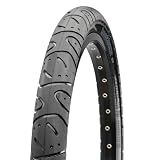

How to Measure and Change Your Mountain Bike Tire Width (with Practical Tips)

Alright, let’s get our hands a little dirty! Whether you’re looking to experiment with a new tire width or your old ones are just worn out, changing your mountain bike tire is a skill every rider should have in their arsenal. Let’s walk through the process together.
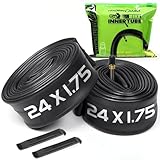
Tools Needed
It’s a bit like baking; having everything on hand makes the process smoother.
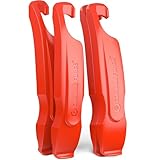
- Tire levers: These will be your best friends in removing the old tire.
- Pump: To inflate the new tire, of course!
- Calipers or ruler: For measuring the rim width accurately. If you don’t have calipers, a good old ruler will do the trick.


Step-by-Step Guide
With our tools in place, let’s roll up our sleeves and get to it.
- Removing the old tire:
- First, deflate the tire completely. Press down on the valve to let all the air out.
- Insert the flat end of a tire lever under the tire bead (that’s the edge of the tire). Gently pry it up and over the rim.
- Slide the lever around the rim to free the tire completely. If it’s a bit stubborn, using a second lever can help.
- Measuring the rim width:
- With the tire off, take your calipers or ruler and measure the distance between the inner sides of the rim. This will give you an idea of the tire widths compatible with your rim.
- Selecting and installing the new tire:
- Based on your rim width and riding preferences, pick your new tire.
- Starting at the valve, push one bead of the tire onto the rim.
- Work your way around, pushing the bead into place. It might take a bit of muscle, especially the last bit!
- Once one side is on, repeat with the other bead.
- Ensuring proper inflation:
- With the tire in place, use your pump to inflate it. Check the tire’s sidewall for the recommended pressure range.
- Keep an eye on the tire as it inflates, ensuring it seats evenly on the rim.
Related reads: Try our bike tire size calculator and check out pricing at how much do bike tires cost — also see tips if your bike tire keeps going flat.

Expert Tips and Recommendations
After all, knowledge is power, especially when it comes to optimizing your biking experience.
Brands and Models to Consider
When it comes to mountain bike tires, not all are created equal. Some brands have carved a niche for themselves, offering top-notch quality and performance.
Top brands and standout models:
- Schwalbe: Renowned for their durability. The “Magic Mary” is a favorite for wider tire enthusiasts.
- Maxxis: Their “Minion DHF” is a versatile pick, great for various terrains and widths.
- Continental: The “Mountain King” series offers a range of widths and is known for its grip.
- Michelin: The “Wild Rock’R2” is a beast on rough terrains, especially in wider dimensions.
Read also: Best Tubular Tires (Buying Guide and Reviews)
Maintenance and Care for Optimal Performance
A well-maintained tire not only lasts longer but also offers consistent performance.
- Regular checks for wear and tear: Every few rides, give your tires a once-over. Look for cuts, punctures, or worn-out treads. It’s better to spot issues early than be caught off-guard on a trail.
- Proper inflation and its impact on perceived width: A tire’s width can feel different based on its inflation. Under-inflated tires might feel wider due to increased surface contact, while over-inflated ones might feel narrower. Always stick to the recommended pressure range for the best experience.
Rider Weight, Pressure & Width – The Overlooked Trio
Why this matters: Many riders focus on width, but rider weight and tyre pressure play major roles in how a tyre width performs.
- Heavier riders increase vertical load on the tyre, which can increase rolling resistance if the contact patch deforms more.
- Lower tyre pressure increases comfort and grip (especially with wider tyres) but too low and deformation losses rise.
Practical Example:
If you weigh 85 kg and ride a 2.4″ tyre at too high pressure (for your rim width), you might lose the grip benefit of width. On the other hand, a 70 kg rider on the same tyre could run lower pressure and enjoy both grip and comfort.
Takeaway: Use width, pressure and your weight in combination—wider tyres allow decent pressures for control; but you still need to stay within manufacturer and rim-clearance guidelines.
Tire Width and Tubeless/Tubed Considerations
Switching between tubed and tubeless setups adds another layer when thinking about tyre width.
- Tubeless setups often favour slightly wider tyres (for better bead seating, sidewall stability) which can influence your width choice.
- If you go wider, make sure your rim and frame clearance allow it; a tubeless wide tyre may seem generous but could rub on stays or chainstays under full suspension travel.
Tip: If you’re upgrading to tubeless and want more grip for rough rides, going from 2.25″ to 2.4″ can be a meaningful jump — just verify clearance and rim width compatibility.

Frequently Asked Questions
Can I fit any tire width on my current rims?
Not necessarily. Your rim width dictates the range of tire widths it can accommodate. Always measure your rim and check the tire manufacturer’s recommendations.
How often should I change my mountain bike tires?
It depends on usage and terrain. Regularly check for wear and tear. If the treads are worn out or you spot damage, it’s time for a change.
Does tire width affect tubeless setup?
Yes, it can. Wider tires can offer a snugger fit, making the tubeless setup more effective. However, always check the tire’s compatibility with tubeless rims.
Conclusion: Mountain Bike Tire Width
From understanding the basics of tire width to diving deep into expert recommendations, it’s clear that the right tire width can significantly impact your ride.
Whether you’re chasing speed, grip, or a balance of both, there’s a perfect tire width out there for you. And remember, it’s okay to experiment. Sometimes, the best discoveries come from trying something new.
So, gear up, pick your tire, and hit those trails with confidence!
References
Jansson, V. (2022). A literature study of rolling resistance and its affecting factors. KTH Royal Institute of Technology. https://kth.diva-portal.org/smash/get/diva2:1678831/FULLTEXT01.pdf
Grappe, F., Candau, R., Barbier, B., Hoffman, M. (1999). Influence of tyre pressure and vertical load on coefficient of rolling resistance and simulated cycling performance. Ergonomics, 10. https://www.researchgate.net/publication/233116413_Influence_of_tyre_pressure_and_vertical_load_on_coefficient_of_rolling_resistance_and_simulated_cycling_performance