Key Takeaways:
- Choose proper bike fit and saddle for balanced pressure distribution.
- Apply chamois cream and wear moisture-wicking, padded shorts to reduce friction.
- Use cold or warm compresses to manage pain and inflammation.
- Reduce ride intensity to allow healing, and consider professional bike fitting for persistent issues.
How to treat a sore bum from cycling is a top concern for many riders, especially for those who value both comfort on long commutes and performance on weekend group rides.
Saddle soreness can turn a smooth ride into a painful ordeal, but with the right precautions and treatments, you can stay in the saddle longer and stronger.

Definition and Causes of Saddle Sores
Sore bum or saddle sores are skin and connective tissue lesions caused by friction, pressure, moisture, and bacteria in the saddle area during cycling. These can range from mild irritation to painful chronic sores.
Need a Few Practical Extras for Your Next Ride?
Browse cycling-related clothing and simple bike accessories that may help with comfort, visibility, storage, or everyday riding.
Paid links. As an Amazon Associate we earn from qualifying purchases.
- Friction & Pressure: Sit bones rubbing against the saddle, especially on long rides.
- Moisture & Bacteria: Sweat accumulation without proper hygiene can exacerbate irritation.
Saddle sores are usually caused by friction (due to skin rubbing) and/or pressure on the skin. They can range from a small, irritating rash to a large, painful lump.
Ill-fitting clothes
There’s a reason why there are clothes specifically designed for cycling. If your clothes are too tight or made of materials that trap sweat, then you’re more likely to experience saddle soreness. Non-cycling shorts often don’t have enough padding for long rides. Damp shorts can also cause discomfort, so make sure to avoid cotton materials.
Not used to long-distance cycling
Also, if you are not used to longer rides, your skin may not be used to the pressure from the saddle. It takes time and practice to get used to riding, so if you’re new to the sport, take it slow and make sure you have a good bike saddle. Muscle soreness is normal, so don’t worry if you experience some soreness in your backside when you first start.
Hard and uncomfortable saddle
Your saddle choice can make a huge difference. If you experience saddle discomfort, it might be time to switch to a softer, more comfortable, new saddle.
Poor cycling posture
Maintaining the proper posture on a bicycle is also important. Sitting too far forward, or leaning back more than necessary can all contribute to soreness. Make sure you keep your back straight.
Body weight
Your body weight can also play a role in how much saddle soreness you experience. If you are overweight, then more pressure will be put on your sit bones. Consider getting a bike saddle specifically designed for heavier riders.
What do cycling saddle sores look like?
Cycling sores look like spots, rashes, or blisters on the skin. They can be red, swollen, and painful. They can range from small, red bumps to large, painful lumps.

How to Prevent Saddle Sores
If you’re prone to saddle sores, there are a few things you can do to prevent them:
1. Choose the right bike saddle. Fit is important when it comes to saddles. You want one that’s wide enough to support your sit bones and narrow enough so that your inner thighs don’t rub.
2. Use chamois cream. Chamois cream creates a barrier between your skin and the saddle. Apply it to your entire bum, not just the areas that are prone to soreness.
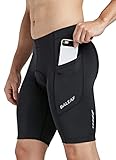
3. Wear comfortable shorts. Padded cycling shorts can help protect your skin from friction and reduce pressure on sensitive areas. Consider using bibs or bike shorts instead of regular shorts, as they’ll help keep the padded area in place.
4. Change your position often. If you’re riding for long periods of time, make sure to change your position often to avoid putting too much pressure on your sit bones.
5. Try to stand up occasionally. If you can, try to stand up and pedal for a few seconds every few minutes. This will help take some of the pressure off your bum.
6. Wipe down your bike regularly. A clean bike is a happy bike. Wiping down your bike after every ride will help remove sweat and bacteria that can cause sores.
7. Take a break if you start to feel sore. If you start to feel pain or discomfort, it’s best to take a break. Continuing to ride will only make the soreness worse.
8. Adjust your bike seat height. If your bike seat is too low, it can cause pressure on soft tissue areas. Make sure the seat is at the right height so that your back is straight when you’re riding. See that your pedal stroke is comfortable and that you can reach the ground with your feet when needed. A good bike fit can help prevent soreness.
9. Tilt your bike saddle. Sometimes tilting your saddle can help relieve pressure on sensitive areas. Experiment with different angles until you find the one that works best for you.

How to Treat Saddle Sores
Conservative Treatment
The primary conservative approach is to reduce cycling load—shortening ride duration, distance, and intensity—to allow healing, especially for acute saddle sores (within one week of onset). Wearing padded cycling shorts is also commonly recommended to reduce friction and pressure.

Cold and Warm Compresses
- Cold Compresses: Applying ice packs or frozen peas can numb the area and provide temporary pain relief by dulling nerve endings.
- Warm Compresses: Warm compresses can reduce inflammation and promote healing by improving blood flow when used gently for 10–15 minutes several times a day.
Topical Treatments
Medicated creams, including antibacterial, antifungal, and mild steroid formulations, are used to reduce symptoms and prevent infection. Combination creams with steroids and antimicrobials may be prescribed for more severe lesions. However, evidence on the efficacy of these creams is limited, and steroids should be used cautiously due to potential skin atrophy and risk of recurrence.
- Clean the area with soap and water. Antibacterial soap will help remove any bacteria or irritants that may be causing the sore.
- Apply topical ointment such as a hemorrhoid cream, antibiotic ointment, or diaper-rash cream. This will help soothe the area and protect it from further irritation. Infected hair follicle bumps can be treated with an antibiotic ointment and/or cold compresses.
- Place a bandage over the sore. This will help protect it from further irritation.
Surgical Intervention
For large or persistent saddle sores, surgical drainage or excision may be necessary. Surgery carries risks such as scar tissue formation, which can increase recurrence, so it is generally reserved for severe cases.
Bike Fit and Saddle Adjustment
Proper bike fitting—correct saddle height, tilt, width, and design—significantly reduces saddle soreness by optimizing pressure distribution and rider posture. Professional bike fitting has been shown to improve comfort and reduce pain long-term, thereby enhancing cycling adherence.
Hygiene, Clothing, and Natural Remedies
- Preventative Measures: Wearing clean, breathable, moisture-wicking clothing, maintaining hygiene by gently washing the area with mild soap and drying thoroughly, and avoiding picking at sores help prevent worsening and infection.
- Natural and Self-Care Remedies: Warm water soaks (possibly with Epsom salts), anti-inflammatory foods (such as fatty fish, leafy greens, turmeric, ginger), gentle stretching, rest, and hydration support recovery and reduce inflammation.


Summary Table of Treatment Approaches
| Treatment Type | Description | Evidence/Notes |
|---|---|---|
| Conservative | Reduce cycling load, padded shorts | Common first-line; effective for mild/acute sores |
| Cold Compresses | Ice packs to numb pain | Temporary relief; dulls nerve endings |
| Warm Compresses | Warm compresses to reduce inflammation | Promotes healing; used several times daily |
| Topical Medications | Antibacterial, antifungal, steroid creams | Used for symptom relief; limited strong evidence |
| Surgical Intervention | Drainage or excision of large sores | For severe cases; risk of recurrence due to scarring |
| Bike Fit Optimization | Adjust saddle position and bike ergonomics | Improves comfort and reduces pain long-term |
| Hygiene and Clothing | Clean, breathable, moisture-wicking clothes | Prevents infection and irritation |
| Natural Remedies | Warm soaks, anti-inflammatory diet, stretching | Supports healing and reduces inflammation |

How do you heal saddle sores fast?
Sores can take up to a few weeks to heal, but there are things you can do to help speed up the healing process. Keeping the area clean and dry, and applying an antibiotic ointment to help prevent infection. Taking an over-the-counter pain reliever can help reduce inflammation and discomfort, as well as applying a cold compress or warm compress to the area.
If the sore is painful, taking an over-the-counter pain reliever can help. Finally, make sure to avoid putting pressure on the sore while it heals.

Does saddle soreness go away?
Yes. Saddle soreness usually goes away on its own within a few days. However, if the soreness is severe or if it does not go away within a week, you should see a doctor. Open skin sores can become infected, so it is important to seek medical attention if the sore does not heal on its own.

Will my bum get used to cycling?
Yes, over time your body will get used to cycling and the saddle soreness should go away. A few days or a week is not enough time for your body to adjust, so be patient and keep at it. Chamois cream and shorts padding can also help to make your ride more comfortable.
However, you may need to take a break from cycling every few days to give your body a chance to recover.
Conclusion on How to Treat a Sore Bum From Cycling
How to treat a sore bum from cycling doesn’t have to remain a mystery. By combining proper bike fit, conservative load reduction, targeted compresses, and evidence-based topical or surgical options, you can get back on the saddle comfortably and confidently.
References
Napier, D., & Heron, N. (2022). Getting to the Bottom of Saddle Sores: A Scoping Review of the Definition, Prevalence, Management and Prevention of Saddle Sores in Cycling. International journal of environmental research and public health, 19(13), 8073. https://doi.org/10.3390/ijerph19138073
Rooney, D., Sarriegui, I., & Heron, N. (2020). ‘As easy as riding a bike’: a systematic review of injuries and illness in road cycling. BMJ open sport & exercise medicine, 6(1), e000840. https://doi.org/10.1136/bmjsem-2020-000840
Bury, K., Leavy, J. E., O’Connor, A., & Jancey, J. (2020). Prevalence, Prevention and Treatment of Saddle Sores among Female Competitive Cyclists: A Scoping Review Protocol. Methods and protocols, 3(1), 4. https://doi.org/10.3390/mps3010004
Scoz, R. D., de Oliveira, P. R., Santos, C. S., Pinto, J. R., Melo-Silva, C. A., de Júdice, A. F. T., Mendes, J. J. B., Ferreira, L. M. A., & Amorim, C. F. (2022). Long-Term Effects of a Kinematic Bikefitting Method on Pain, Comfort, and Fatigue: A Prospective Cohort Study. International journal of environmental research and public health, 19(19), 12949. https://doi.org/10.3390/ijerph191912949