Key Takeaway:
- Cycling bibs vs shorts each have distinct advantages—bibs excel in long-ride comfort and core support, while waist shorts shine in ease and breathability—so match your choice to ride length, climate, and personal style.
Cycling bibs vs shorts is a debate every urban and suburban rider faces when seeking the ideal blend of performance and comfort.
Riders-juggling work, weekend group rides, and eco-friendly commuting—need clear, straightforward guidance to pick gear that fits busy lifestyles and varied weather.
Bib shorts are typically seen as more professional and are preferred by many cyclists, while waist shorts are more comfortable and popular among casual cyclists.
Need a Few Practical Extras for Your Next Ride?
Browse cycling-related clothing and simple bike accessories that may help with comfort, visibility, storage, or everyday riding.
Paid links. As an Amazon Associate we earn from qualifying purchases.
So, which should you choose? Let’s take a look!

Cycling Bib Shorts
Cycling bib shorts (or “bibs”) are cycling shorts that have suspenders (or “bib straps”, also called “shoulder straps”) that go over your shoulders, similar to overalls. They are the more traditional options and are often seen as more professional.


Advantages
- The suspenders or bib straps help to keep the bike shorts firmly against your crotch, even when you’re grinding or tip-toeing up a hill. This can be really helpful if you’re cycling for long distances or competing in a race. The bib straps help to keep your bike shorts in place and reduce chaffing caused by the material rubbing against your skin.
- Bib shorts also provide an extra layer of protection against shocks, vibrations, and debris that may be kicked up when cycling on rough terrain. In addition, they can help to improve aerodynamics and provide additional support for the rider’s core muscles.
- Bib shorts also tend to be more comfortable than waist shorts since there’s no elastic band constricting your stomach. Bibs also keep your shorts in place and reduce chafing on the stomach. However, bibs can be slightly more expensive and difficult to remove when you need to use the restroom quickly.
- Bib shorts provide more support for your cycling, which can be helpful if you have larger thighs.
Disadvantages
- Difficult to put on and take off. This can be especially true if you need to use the restroom while you’re out on a ride.
- More expensive than waist shorts. This isn’t always the case, so be sure to compare prices before you make your purchase.
- Hotter and less breathable. The bib straps can trap heat and cause you to sweat more. But the fact that cycling bib shorts don’t have an elastic waistband does help to mitigate this issue.

Cycling Waist Shorts
Waist shorts have an elastic waistband that goes around your waist, similar to traditional bike shorts. They are more comfortable and popular among casual cyclists.


Advantages
- Easier to put on and take off than cycling bib shorts.
- Can be less expensive than cycling.
- More effective in cooling the cyclists by allowing more airflow to the skin.
Disadvantages
- The waistband can be constricting and uncomfortable, called waistband digging, especially if you have a larger waist.
- The shorts can ride down exposing your back to the wind, especially when you’re cycling uphill. This can be really frustrating and cause you to have to adjust your bike shorts frequently.
Summary: Cycling Bib vs Shorts
| Aspect | Cycling Bib Shorts | Regular Cycling Shorts |
|---|---|---|
| Waistband | None; uses shoulder straps | Elastic waistband that can dig in |
| Chamois Stability | High; straps keep padding in place | Lower; padding can shift causing chafing |
| Comfort on Long Rides | Superior—ideal for rides >50 miles | Less—waistband pressure impacts comfort |
| Temperature Management | Better insulation in cooler weather | Better airflow in warm weather |
| Consumer Satisfaction | Highest ratings (mean 4.75/5; 82% 5-star) | Slightly lower (mean ~4.67/5; 76% 5-star) |
| Price | Generally more expensive | Generally less expensive |

A Few Tips for a Comfortable Ride
1. Chamois cream
Chamois cream can help to prevent saddle sores and chafing. This is especially important if you’re going on a long ride or race.
Chamois cream is easy to apply and can provide hours of comfort. Be sure to read the instructions for the particular brand you choose for proper application. It’s also important to properly clean your bike seat or chamois after each ride, as this helps keep bacteria from building up and causing irritation.


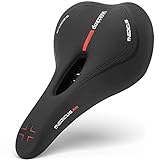
2. Right saddle
Having the right saddle can make a big difference in your comfort while cycling. Be sure to get fitted for a saddle that’s comfortable for you. Check out our reviews and recommendations to find the perfect saddle for you.


3. Don’t wear underwear
Wearing underwear under your bike shorts can cause chafing and discomfort. If you’re worried about hygiene, you can wear cycling bib shorts or cycling shorts with a liner.
4. Padded chamois shorts
Padded chamois shorts provide comfort while riding, as they are designed to reduce friction between the skin and the saddle.

How to Find Proper-Fitting Cycling Shorts
Your cycling position and riding style will determine the fit that works best for you. Bike shorts should be tight enough to ensure good range of motion, but not so tight that it causes discomfort or restricts breathing.
When trying on cycling shorts, make sure to test them out in a sitting position. Also, try to move around, so you can get an idea of how they feel while cycling. Look for a fit that’s snug and allows for plenty of freedom of movement.
The waistband should fit snugly and be comfortable around your stomach and hips. You should be able to pull the waistband up slightly without discomfort. The leg bands should also be snug and not too loose so they don’t slip down when pedaling. Look for cycling shorts with ample padding that is neither too thick nor too thin; the padding should be positioned in areas where you will be putting the most pressure when in your cycling position.
When trying on bibs, bend your knees and lift your legs off the ground to make sure you can still move freely. The straps should be tight enough that they don’t move around, but not so tight that they are uncomfortable.
When trying on shorts, make sure the waistband is adjustable and comfortably fits your waist. The shorts should fit snugly around the hips, thighs, and buttocks to provide adequate coverage from chafing. The length of the shorts should be long enough to reach the knees – any shorter and they won’t provide sufficient coverage.
Lastly, check that there is no excess material bunching or creasing when you are in the riding position. This can cause discomfort, chafing, and even saddle sores.

Facts and Statistics about Cycling Bibs and Shorts
Sustainability & Materials
Many cyclists now prioritize eco-friendly gear. Look for recycled Lycra blends and OEKO-Tex certified fabrics. Brands like Pactimo and Rapha offer lines made from post-consumer plastics, reducing landfill waste while delivering top performance.
Chamois Technology Deep Dive
Not all chamois are created equal. High-end bibs use multi-density foam and gel inserts to cushion pressure points. A well-engineered pad can make or break a 100 km ride—look for anatomical channeling and antibacterial treatments.
Consumer Data Insights
Research comparing cycling bib shorts and regular cycling shorts reveals several key differences in comfort, fit, and rider satisfaction, supported by empirical data and consumer reviews:
Comfort and Fit:
- Bib shorts eliminate waistbands that dig into the stomach, spreading pressure across shoulders to improve breathing and reduce midsection squeezing.
- Straps keep the chamois securely in place, minimizing chafing and saddle sores from shifting padding.
- Bibs offer better insulation in cooler weather, while regular shorts allow greater airflow when it’s hot.
Consumer Preference and Satisfaction:
- Analysis of over 7,000 online reviews found bib shorts held a mean rating of 4.75/5 (82% 5-star), significantly above regular shorts (mean ~4.67/5) and tights (74% 5-star).
- The surge in bib purchases during the COVID-19 cycling boom underscores a shift toward performance-oriented apparel.
Performance and Usage:
- Long-distance and serious cyclists prefer bibs for stability over varied positions.
- Casual riders often opt for regular shorts for simplicity and cost savings.
- For rides >50 miles or >4 hours, bib shorts’ enhanced shock absorption justifies the investment.

Frequently Asked Questions
Do you wear shorts over bike bibs?
No, you don’t wear bike shorts over cycling bibs. Bib shorts are worn without anything over them.
Do bike bibs make you sweat more?
Bibs can make you sweat more because they trap heat. However, the fact that they don’t have an elastic waist band does help to mitigate this issue.
Are cycling shorts or bibs better?
Waist shorts are great for cooling and comfort, while cycling bibs are more supportive and can stay in place. So it depends on your preference.
Are bib shorts better for cycling?
Bib shorts are often seen as more professional and are preferred by many cyclists. They are ideal for racing and long rides.
Conclusion: Cycling Bibs vs Shorts
So, what’s the verdict? Bibs or waist shorts? Both have their advantages and disadvantages. Ultimately, it comes down to your personal preference.
If you’re racing or cycling long distances, you may prefer cycling bibs. But if you’re just going for a leisurely ride, cycling waist shorts may be more comfortable for you.
Whichever you choose, be sure to get a good pair that fits well and invest in some chamois cream!