Key Takeaway
- Consistency matters more than mileage alone—progress gradually, listen to your body, and prioritize recovery.
- Beginners can start with 3–5 miles per day, while experienced riders may comfortably cover 20–30 miles or more.
- The right daily mileage depends on your fitness level, cycling goals, terrain, and bike type.
How many miles should you bike a day depends on your fitness level, riding purpose, and the type of terrain you tackle. Beginners may only need a few miles to build stamina, while seasoned cyclists can ride 20 miles or more daily without strain.
Ever wondered why the distance you pedal matters so much? It’s not just about reaching a destination. Daily biking mileage shapes your fitness, improves endurance, and builds technical skills on the road or trail. This guide will help you determine the right mileage for your goals—whether it’s weight loss, endurance training, commuting, or leisure.

Understanding the Importance of Mileage in Cycling
Ever wondered why the distance you pedal matters so much? Well, it’s not just about reaching a destination. The miles you clock in on your bike can significantly shape your fitness and skill levels.
Need a Few Practical Extras for Your Next Ride?
Browse cycling-related clothing and simple bike accessories that may help with comfort, visibility, storage, or everyday riding.
Paid links. As an Amazon Associate we earn from qualifying purchases.
Let’s break this down.
The Role of Mileage in Fitness Goals
When you push those pedals, two major things happen: you burn calories, and you boost your heart health.
The further you ride, the more energy your body expends. It’s similar to a car’s fuel consumption; the longer the journey, the more fuel it uses. In biking terms, more miles equals more calories burned. It’s a straightforward equation.
Beyond calorie counting, there’s the heart to consider. Regular cycling is a boon for cardiovascular health. It strengthens the heart, enhances blood circulation, and slashes the risk of heart-related ailments. So, each time you cycle, you’re doing your heart a massive favor!
Mileage and Skill Development
Cycling isn’t just about fitness; it’s also a skill. And like any skill, practice makes perfect.
Remember your first long ride? The initial miles might’ve been a breeze, but as you pushed on, it got tougher. That’s where endurance comes in. The more you ride, the better your body gets at enduring those longer distances. It’s a gradual process, but oh-so-rewarding.
Here’s a fun fact: not all miles are the same. An uphill mile challenges you differently than a flat road mile. Different terrains target different muscle groups. Climbing a slope? That’s a leg workout. Navigating a rocky path? Hello, balance and control. So, variety isn’t just the spice of life; it’s the essence of a well-rounded cycling regimen.

Factors Influencing Daily Biking Mileage

Several factors come into play, from your personal fitness level to the very bike you ride. Let’s delve deeper.
Personal Fitness Level
- Beginners: 3–5 miles a day to build stamina.
- Intermediate riders: 10–15 miles.
- Advanced cyclists: 20–30+ miles comfortably.
Your body is unique, and so is its response to cycling. Understanding your fitness level is crucial to setting the right mileage.
If you’re just starting out, it’s like dipping your toes in the water. Beginners might aim for shorter, more manageable distances, say 3-5 miles to start.
On the flip side, seasoned cyclists, with their well-toned muscles and stamina, might easily clock in 20-30 miles or even more in a day. It’s all about pacing yourself according to your comfort and experience.
Listen to your body; it often knows best. Feeling unusually fatigued, experiencing prolonged muscle soreness, or facing sleep disturbances? These could be signs you’re pushing too hard.
Rest is a crucial component of any fitness regimen. It’s when your body heals, adapts, and gets stronger. So, never underestimate the power of a good day off the saddle.
Purpose of Cycling
- Commuting: Distance depends on your route (5–10 miles each way is common).
- Weight loss: 12–16 miles at moderate pace, combined with intervals.
- Endurance training: Gradually increase mileage weekly.
- Leisure: 5–7 miles or more, focusing on relaxation.
Why you ride can greatly influence how far you go.
If you’re biking to work, your mileage is pretty much set by the distance between your home and office. Recreational rides? Those might vary based on mood, weather, and available time. Training for an event? That’s a whole different ball game, with structured distances to help you peak at the right time.
Training for a specific event, like a marathon or triathlon, requires a strategic approach. It’s not just about increasing mileage, but also about interval training, hill climbs, and speed work. The goal is to prepare your body for the specific challenges of the event, ensuring you’re race-ready when the day arrives.
Equipment and Gear
Believe it or not, the bike you ride and its condition can significantly influence your daily mileage.
Mountain bikes, with their sturdy build and wider tires, are great for rough terrains but might not let you cover as many miles as a sleek road bike on a smooth surface. Hybrid bikes? They offer a middle ground, balancing speed and versatility. Choose your bike based on where and how you plan to ride.
A well-maintained bike is a joy to ride. Regular checks, timely repairs, and proper tuning not only ensure your safety but also allow for smoother, more efficient rides. Think of it as taking care of a trusted friend. The better the care, the longer and more enjoyable the rides together.


Bike Type and Terrain
- Road bikes: Cover more miles efficiently.
- Mountain bikes: Fewer miles due to terrain difficulty.
- Hybrid bikes: Balanced for mixed riding.

Recommended Daily Mileage Based on Goals
| Rider Type | Recommended Mileage | Notes |
|---|---|---|
| Beginner | 3–5 miles | Focus on consistency |
| Weight Loss / Fitness | 12–16 miles | Add hills/intervals |
| Endurance Building | 15–30 miles | Increase gradually |
| Commuter | 5–10 miles (one way) | Depends on route |
| Leisure / Mental Health | 5–7 miles (flexible) | Prioritize enjoyment |
Alright, let’s get down to the nitty-gritty. You’ve got a goal in mind, and you’re wondering how many miles to clock in on your bike to achieve it. Whether it’s shedding a few pounds, building endurance, or just seeking some peace of mind, here’s a guide tailored just for you.
For Weight Loss and Fitness
Cycling can be a fantastic way to shed those extra pounds and tone up. But how far should you ride?
Aiming for weight loss? Consider biking anywhere from 12 to 16 miles at a moderate pace. This can help an average person burn approximately 500 to 600 calories, depending on factors like weight, age, and terrain.
Spice up your rides with interval training. This involves short bursts of high-intensity cycling followed by rest or low-intensity periods. While this might reduce your total mileage due to the intensity, it can supercharge calorie burn and improve cardiovascular fitness. For instance, a 30-minute interval session might cover 8-10 miles but offer the benefits of a much longer ride.
Read also: How to Lose Weight by Cycling: 11 Practical Tips and Strategies
For Skill and Endurance Building
Want to level up your cycling game? Here’s how to push your limits.
The key to building stamina is gradual progression. Start with what you’re comfortable with, then add an extra mile or two every week. Over time, you’ll find yourself covering longer distances with ease. It’s like training for a marathon; you don’t start with 26 miles on day one!
Variety is your best friend here. Throw in some hill climbs to strengthen those leg muscles. Add a few sprint sessions to improve speed. These challenges might not add much to your total mileage, but they’ll surely ramp up your skill and endurance levels.
Read also: How to Improve Cycling Speed and Endurance for Beginners
For Leisure and Mental Well-being
Sometimes, it’s not about the miles; it’s about the moments.
Casual rides, even if they’re just 5-7 miles long, can be incredibly therapeutic. They offer a break from the daily hustle, reduce stress, and elevate mood. It’s meditation on wheels.
When riding for leisure, let the scenery dictate your distance. Found a beautiful spot? Stop and soak it in. Feel like exploring a new trail? Go for it. The miles become secondary; it’s the experience that counts. Whether it’s a short 3-mile ride around the park or a 15-mile countryside exploration, savor every moment.

Tips for Safely Increasing Your Daily Mileage
So, you’re eager to ramp up those miles, huh? That’s the spirit! But as with any fitness journey, it’s essential to proceed with caution and knowledge.
Here are some golden nuggets to ensure you increase your mileage safely and effectively.
Listening to Your Body
Your body is an incredible machine, and it often communicates with you. The trick is to listen and interpret its signals.
Ever felt that satisfying soreness after a good workout? That’s your muscles adapting and growing. But sharp, persistent pain? That’s a red flag. It could indicate an injury or strain.
Learn to differentiate between the two. While it’s okay to push through some discomfort, never ignore pain that feels “off.”
Just as a bike needs fuel to run, so does your body. Ensure you’re well-hydrated before, during, and after your rides. And don’t forget to fuel up with balanced meals. Think of it as giving your body the right mix of gasoline and oil to run smoothly and efficiently.
Cross-Training and Rest Days
Cycling is fantastic, but complementing it with other activities can work wonders.
Yoga can enhance flexibility and balance, making those long rides more comfortable. Swimming, on the other hand, offers a full-body workout without the impact, helping to build endurance. By mixing up your routine, you not only prevent boredom but also ensure a well-rounded fitness regimen.
Remember, rest is not a sign of weakness; it’s a crucial part of growth. It’s during these breaks that your muscles repair and strengthen. Skipping rest days can lead to overuse injuries and mental burnout. So, pencil in those rest days and enjoy them without guilt!
Gear and Equipment Checks
A well-maintained bike is not just a pleasure to ride; it’s also safer.
Just as you wouldn’t drive a car with faulty brakes, you shouldn’t ride a bike that’s not in top shape. Regularly check the brakes, tires, and gears. A well-maintained bike can handle longer distances more efficiently and safely.
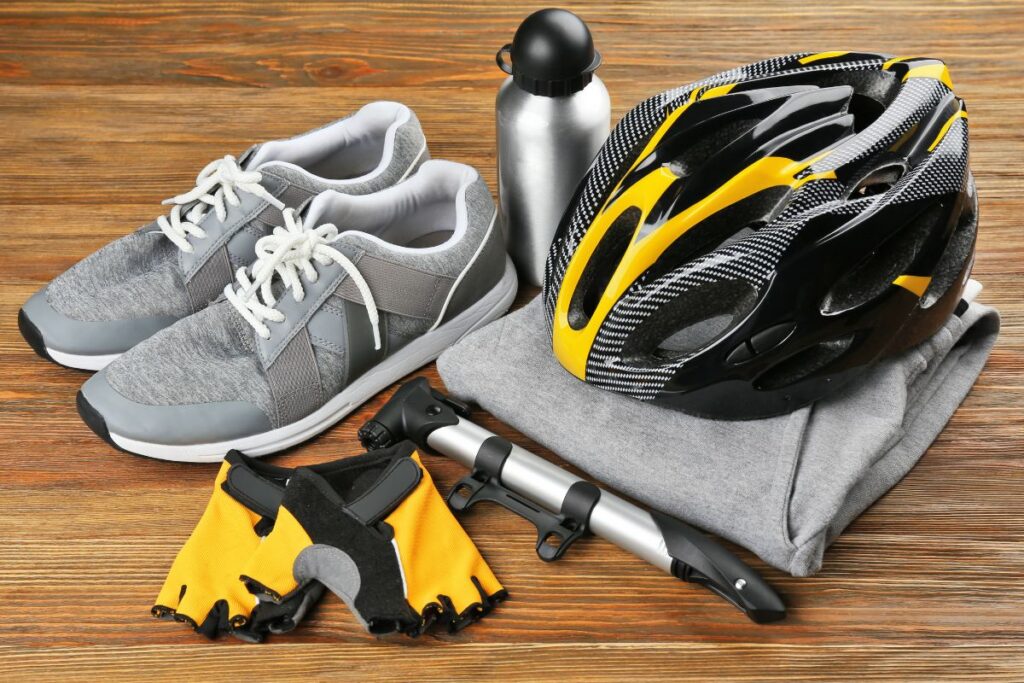
Dress for success! And by success, I mean a safe and comfortable ride. Wear helmets to protect your noggin, gloves to cushion your hands, and appropriate footwear for grip. And if you’re riding in the dark or low-light conditions, reflective gear is a must. Safety first, always!
Conclusion on How Many Miles Should You Bike a Day
How many miles should you bike a day depends on your fitness level, riding goals, and terrain. Beginners may thrive on 3–5 miles, while advanced cyclists can handle 20–30 miles or more.
The key is to ride consistently, progress gradually, and balance training with recovery. Whether for fitness, commuting, or fun, the right mileage is the one that keeps you healthy, motivated, and enjoying the ride.
References
- Matthews, C. E., Jurj, A. L., Shu, X. O., Li, H. L., Yang, G., Li, Q., … & Zheng, W. (2007). Influence of exercise, walking, cycling, and overall nonexercise physical activity on mortality in Chinese women. American Journal of Epidemiology, 165(12), 1343–1350. https://doi.org/10.1093/aje/kwm088
- Oja, P., Titze, S., Bauman, A., de Geus, B., Krenn, P., Reger-Nash, B., & Kohlberger, T. (2011). Health benefits of cycling: a systematic review. Scandinavian journal of medicine & science in sports, 21(4), 496–509. https://doi.org/10.1111/j.1600-0838.2011.01299.x