Key Takeaway: How Long to Bike 12 Miles
- Beginner (8–10 mph): 72–90 minutes
- Intermediate (12–15 mph): 48–60 minutes
- Experienced rider (16–20 mph): 36–45 minutes
- Professional cyclist (25–30 mph): 24–30 minutes
- Recreational average (~10 mph): ~1 hour 12 minutes
- Calories burned: ~500–900 depending on speed, terrain, and rider weight
- Other factors: terrain, fitness, weather, bike type, and use of e-bikes
If you’re asking how long to bike 12 miles, the answer depends on speed, terrain, fitness, bike type, and even weather.
For beginners, 12 miles may feel like a big challenge, while seasoned riders often treat it as a moderate workout or daily commute.
This guide breaks down average times, influencing factors, and training tips so you can better plan your ride.
Need a Few Practical Extras for Your Next Ride?
Browse cycling-related clothing and simple bike accessories that may help with comfort, visibility, storage, or everyday riding.
Paid links. As an Amazon Associate we earn from qualifying purchases.

Average Time It Takes to Bike 12 Miles
Beginners
A beginner cyclist with a speed of 8-10mph can expect to bike 12 miles between 72 minutes (1 hour, 12 minutes) and 90 minutes (1.5 hours).
Experienced Cyclists
An intermediate cyclist typically maintains a speed of 12 to 15mph. So, biking 12 miles at this speed would take between 48 minutes and 60 minutes (1 hour).
Professional Cyclists
Professional cyclists can go as fast as 30mph! So, biking 12 miles would take them a mere 24 minutes.
Research shows that the average recreational speed is about 10 mph, which means biking 12 miles takes ~1 hour and 12 minutes (Jones et al., 2022). Novice riders, who often take about an hour for 10 miles, may need proportionally longer for 12 miles, depending on endurance and terrain (MichaelsCycles, 2024).

Factors That Affect How Long It Take to Bike 12 Miles
Your level of experience
Whether you’re a cycling rookie or a seasoned pro, your biking experience definitely plays a big role in how long it takes to cover 12 miles.
At first, even short distances can feel like an uphill battle as your muscles get used to the strain and you figure out how to maneuver on two wheels. But as you continue to cycle, you become stronger and more skilled at navigating the terrain. And let’s not forget about those pros out there – they’ve been training for years and can certainly cover that 12 miles in no time!
The terrain
When it comes to biking, the terrain can definitely make a difference in terms of time and effort. Biking on flat ground is generally going to be faster and easier than biking on hilly or mountainous terrain. The incline of the land can add more resistance and require more energy to pedal. Even slight changes in elevation can affect your speed and how quickly you tire out.
Of course, some people may actually prefer biking on hilly or mountainous terrain because it offers an extra challenge and a chance to really test their strength and endurance. Ultimately, it’s all about personal preference – but keep in mind that the terrain may impact your biking speed and stamina.
Your bicycle
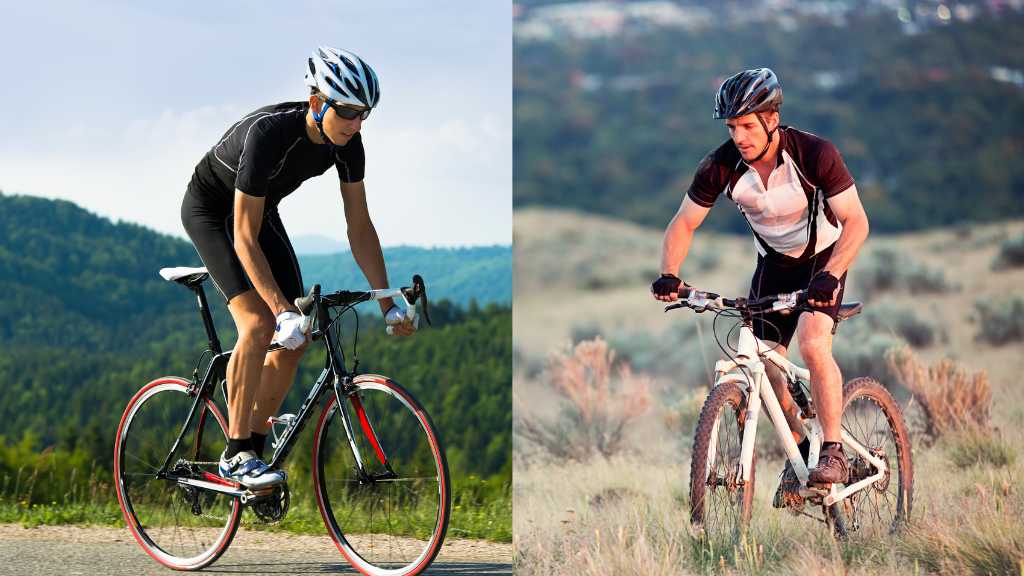
The type of bike you use can have a big impact on your speed. Road bikes are designed with efficiency in mind, allowing for faster pedaling and less wind resistance thanks to thinner tires and aerodynamic frames.
Mountain bikes, on the other hand, prioritize durability with thicker tires and sturdier frames that handle rough terrain well but can slow you down on smoother surfaces.
So if you’re looking to get a speedy ride, a road bike might be the way to go. But if you’re more interested in exploring off-road trails or just want a bike that can handle some wear and tear, then a mountain bike is your best bet.
- Road bikes → fastest, efficient frames and thin tires.
- Mountain bikes → durable but slower due to thicker tires.
- Hybrids → balanced option for commuting and fitness.
Ultimately, it just depends on what kind of riding experience you’re after.
👉 Not sure about sizing? Try our Bike Tire Size Calculator
The weather
When it comes to biking, the weather can be a major factor in how fast or slow your ride will be. A clear, sunny day is going to be ideal for a smooth and speedy journey.
However, strong winds can make it much harder to pedal, resulting in a longer ride time. Likewise, heavy rain can also slow you down and make for a less enjoyable experience. That’s not even mentioning the treacherous conditions that come with ice and snow.
So next time you’re planning a biking trip, take the weather into account and maybe wait for smoother sailing (literally!) before heading out on your journey. And always remember to dress appropriately for the conditions too – nothing ruins a good bike ride like being underdressed for cold or wet weather.
E-Bikes and assistance
E-bike users report feeling comfortable covering 12–14 miles thanks to motor assistance, which reduces fatigue and boosts speed (Jones et al., 2022). This makes 12 miles more accessible for commuters and beginners.
Calories Burned Biking 12 Miles
Cycling 12 miles is not only about time—it’s also a calorie-burning workout.
- A 150-lb rider at 12 mph → ~550 calories burned.
- A 200-lb rider at 15 mph → ~750–900 calories burned.
👉 Want a personalized estimate? Use our Calories Burned Cycling Calculator.

Tips for Improving Your Cycling Time

If you’re looking to improve your cycling time, there are a few things you can do.
1. Invest in a good quality bicycle. A road bike is going to be faster than a mountain bike.
2. Get some professional help. A certified cycling coach can help you with your technique and improve your performance.
3. Join a biking group or club. Biking with others can push you to go further and faster than you would on your own.
4. Train regularly. The more you bike, the better your endurance and speed will become. You can also try interval training, which alternates between periods of intense activity and periods of rest. This type of training can help you improve your anaerobic capacity and power, both of which are important for cycling.
5. Make sure you’re properly fueled. Eating a nutritious meal before your ride will give you the energy you need to power through.
👉 Curious about your pace? Check our Cycling Speed Calculator.

Frequently Asked Questions
Is 12 miles a good bike ride?
Riding 10-12 miles is a good goal for beginner cyclists. Taking at least 1 hour to complete the ride is a good way to gauge your level of fitness.
Is biking 12 miles difficult for a beginner?
Not necessarily. While fitness and terrain matter, most beginners can complete 12 miles with pacing and short breaks.
How many calories do you burn biking 12 miles?
Between 500–900 calories, depending on rider weight, speed, and terrain.
Summary of Research Findings
- Average speed for recreational cyclists: ~10 mph.
- Time to bike 12 miles at 10 mph: ~1 hour and 12 minutes.
- E-bike riders: Comfortable covering 12–14 miles with less fatigue.
- Beginners: Often need ~1.25 hours or more depending on terrain.
- Factors: Fitness, bike type, route, and weather conditions make the biggest difference.


Conclusion on How Long to Bike 12 Miles
So, how long does it take to bike 12 miles? For most riders, between 45 minutes and 1 hour 15 minutes is realistic, depending on speed, terrain, and fitness. With consistent training, the right bike, and favorable conditions, 12 miles can be an enjoyable workout, a sustainable commute, or the foundation for longer rides.
References
Jones, T et al. (2022). You can go out 14 miles away with the knowledge that you… Active Travel Studies. https://activetravelstudies.org/article/id/1046/
MichaelsCycles. (2024). Health benefits of biking 10 miles a day. https://www.michaelscycles.net/articles/health-benefits-of-biking-10-miles-a-day-pg1580.htm