Key Takeaway: If you want your bike to last longer, perform better, and keep you safe on trails, follow these expert-backed full suspension mountain bike maintenance tips:
- Clean and inspect regularly to spot wear before it becomes costly.
- Check suspension service intervals to avoid long-term damage.
- Lubricate and adjust key parts for smooth shifting and braking.
Learning how to maintain a full suspension mountain bike is crucial if you want reliable performance, fewer repair costs, and a smoother ride on challenging trails.
Neglecting upkeep can lead to poor suspension response, expensive fixes, and even safety risks. In this guide, you’ll discover practical, expert-approved maintenance tips that cover everything from cleaning basics to advanced suspension care.

Why Full Suspension Mountain Bike Maintenance Matters
You know that awesome feeling of gliding over rocks and roots like they’re mere pebbles? That’s your bike’s suspension system working its magic. But to keep that magic alive, regular maintenance is a must.
Need a Few Practical Extras for Your Next Ride?
Browse cycling-related clothing and simple bike accessories that may help with comfort, visibility, storage, or everyday riding.
Paid links. As an Amazon Associate we earn from qualifying purchases.
Hold on, though! Neglecting your bike’s upkeep can lead to some real bummers. We’re talking about reduced performance, costly repairs, and even accidents. Yikes!
So, yeah, maintenance isn’t just for the pros; it’s for everyone who wants a safe and enjoyable ride.
Key Components That Require Regular Maintenance
Frame
The frame is like the skeleton of your bike. It holds everything together. A well-maintained frame means a sturdy and reliable ride.
Pros? Longer bike life and better performance. Cons? None, really. Just clean it regularly and check for cracks.
Suspension System
Ah, the heart of a full suspension mountain bike! Keeping your suspension system in tip-top shape ensures those bumpy rides feel like a walk in the park.
The upside? Smoother rides and less wear and tear on your bike. The downside? Well, it can be a bit technical, but hey, that’s what this guide is for!
Wheels and Tires
Your wheels and tires are your bike’s shoes. They need to grip the ground well for you to ride safely. So, keep ’em clean and check the tire pressure before each ride.
Good grip equals better control. Neglect them, and you’re looking at slips and potential accidents.
Brakes
Last but definitely not least, let’s talk brakes. These are your bike’s lifelines. Regular checks and adjustments can be the difference between a safe stop and a nasty fall.
Pros? Safety, obviously. Cons? None. Just keep them well-maintained, and they’ll take good care of you.


Cleaning Your Full Suspension Mountain Bike

Alright, let’s talk dirt—literally. Your mountain bike is bound to get muddy, dusty, and grimy. Cleaning isn’t just about making your bike look good; it’s the first step in any maintenance routine. A clean bike is easier to inspect and less prone to wear and tear.
But hey, cleaning doesn’t have to break the bank. You don’t need fancy, expensive cleaners to get the job done. A few household items can work wonders.
So, grab your cleaning supplies, and let’s get that bike sparkling!
Cleaning the Wheels and Frame
Your wheels and frame are like your bike’s “skin.” They’re exposed to all sorts of elements. For wheels and frames, dish soap and water can do the trick. If you’re dealing with stubborn grime, a degreaser like WD-40 works wonders.
For reference, check out our guide on the best bike chain degreaser.
Now, how to go about it? Use a sponge for general cleaning and a brush for those hard-to-reach spots. Start from the top and work your way down to avoid double work. Rinse thoroughly and dry with a clean cloth. Voila! Your bike will look brand new.
Cleaning the Suspension System
The suspension system is the soul of your full suspension mountain bike. It needs special care. For the rear shock, a gentle wipe-down with a damp cloth is usually enough. Avoid high-pressure water as it can force dirt into sensitive areas.
Worried about scratches on the stanchions? You should be! Scratches can lead to leaks and affect performance. Use a soft microfiber cloth for cleaning and consider applying a silicone-based lubricant afterward. It creates a protective layer that can help minimize scratches.
Suspension System Maintenance

Let’s get into the heart of the matter—your bike’s suspension system. Imagine it as your bike’s personal shock absorber. It’s what makes you feel like you’re riding on clouds even when you’re going over rocks and roots. The system uses springs and dampers to absorb impact and keep your tires on the ground.
Now, why should you care about maintaining it? A well-tuned suspension system means better control, less fatigue, and more fun on the trails. Plus, it extends the life of your bike. Win-win!
Checking for Friction and Wear
Before you dive into any maintenance, you need to know what to look for. Start by cycling the suspension through its full range of motion. Just push down on the saddle and let it rebound. Feel any sticking or hear any grinding? That’s a red flag.
To spot wear, look for uneven tire wear or leaking fluids around the seals. If you see these signs, it’s time for some serious TLC or maybe even a replacement.
Rear Shock Maintenance
The rear shock is like the spine of your suspension system. To keep it in top shape, start with a simple wipe-down after each ride to remove dirt and grime.
Every few months, give it a deeper clean and consider replacing the oil and seals. It’s a bit technical, but there are plenty of tutorials to guide you.
What Not to Do
1. Never use a high-pressure hose on your suspension system. You’ll force water into places it shouldn’t be.
2. Avoid using grease or WD-40 as a lubricant. These can attract dirt and lead to more friction.
3. Unless you’re a trained mechanic, don’t try to disassemble the entire system. You risk messing up the settings and voiding your warranty.
If you’re in doubt, it’s always better to consult a professional.
Bolt and Handlebar Maintenance
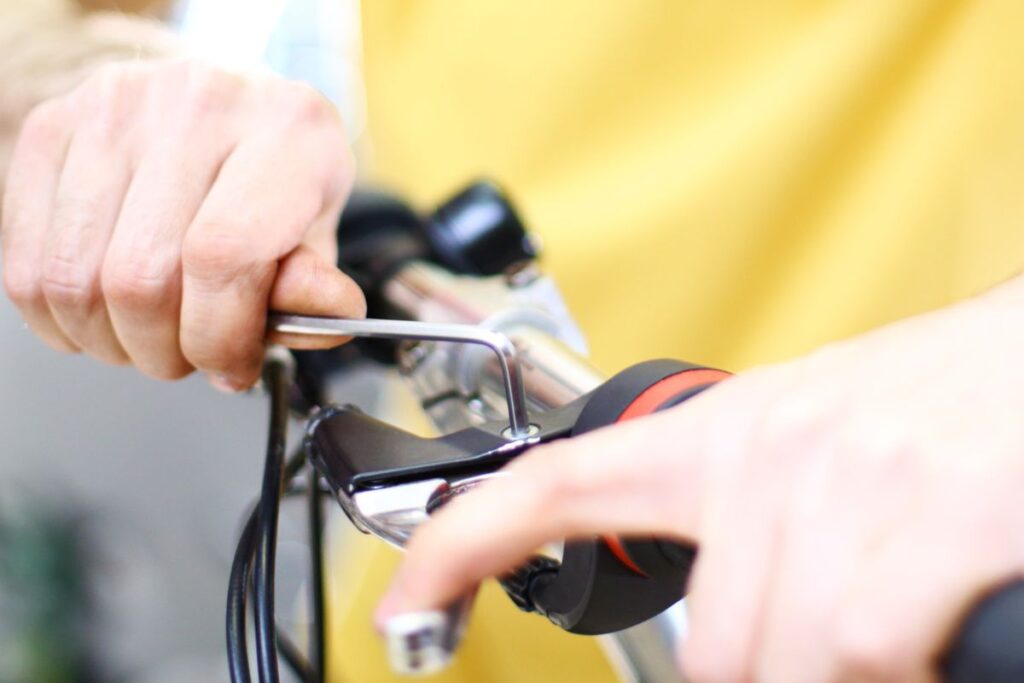
Think of them as the steering wheel and nuts and bolts of your car. They guide you and hold your bike together. If they’re loose or damaged, you’re in for a shaky ride, and nobody wants that.
Checking the Bolts
The bolts that connect your handlebar to the stem are crucial. They need to be just right—not too tight, not too loose. To check ’em, use a torque wrench and follow the manufacturer’s guidelines for the exact torque amount.
For most aluminum bars, it’s usually around 5 to 6 Nm (Newton-meters). Got carbon bars? They’re a bit more delicate, so aim for 4 to 5 Nm.
Handlebar Maintenance
If you’re rocking carbon bars, listen up! Carbon is light and strong but can be sensitive to scratches and dents. When cleaning, use a soft cloth and avoid abrasive pads.
For added protection, consider applying a carbon-specific paste. It helps prevent over-tightening and slippage.
What Not to Do
1. Never over-tighten the bolts. You risk stripping the threads or even cracking the handlebar. And that’s a recipe for disaster.
2. Avoid using oil or grease on the bolts. It might seem like a good idea to make them slide easier, but it can lead to over-tightening. Stick to the torque specs, folks!
3. Don’t ignore any signs of wear or damage on your handlebars, especially if they’re carbon. A small crack today could be a big problem tomorrow.

When Should You Schedule Maintenance Checks?

Timing is key when it comes to bike maintenance. You don’t want to find out something’s wrong when you’re halfway down a mountain trail. So, let’s get into the nitty-gritty of when you should be doing what.
Seasonal Checks
1. Start-of-Season Check: Before you unleash your bike on the trails for the season, give it a full inspection. Look for any cracks in the frame, test the suspension, and double-check all bolts for the correct tightness. Also, give the wheels, tires, and brakes a thorough look-over.
2. End-of-Season Check: As you wind down your biking season, it’s time for another detailed check-up. This is the moment for more in-depth maintenance, like changing the rear shock oil or swapping out any parts that have seen better days. Think of it as preparing your bike for hibernation.
Post-Ride Checks
1. Quick Wipe-Down: After you’re done riding, take a few minutes to wipe down your bike. Focus on removing any dirt or grime, especially from the suspension system.
2. Tire Inspection: Check the tire pressure and look for any visible signs of damage, like cuts or punctures.
3. Bolt Check: Last but not least, give those bolts a quick check to make sure they’re still at the right torque. It’s a small step that can prevent bigger issues down the line.
Service Intervals: When Should You Maintain Your MTB?
- Daily/Post-Ride: Wipe down frame and suspension, check tire pressure, quick brake check.
- Monthly: Inspect bolts, clean drivetrain, lube chain.
- Seasonally: Replace shock oil, bleed brakes, deep clean suspension.
- Annually: Professional tune-up (suspension servicing, bearing replacement).
👉 Want to make home repairs easier? Explore the best portable bike tool kit.
Common Maintenance Mistakes to Avoid
- Using WD-40 instead of bike-specific lubricants.
- Skipping suspension service intervals.
- Over-tightening bolts (risk of carbon cracks).
- Ignoring small cracks on the frame.
Conclusion on Full Suspension Mountain Bike Maintenance Tips
We’ve covered a lot of ground, from the basics like cleaning your bike and checking bolts, to the nitty-gritty of suspension system maintenance. Remember, your bike is more than just a set of wheels; it’s a complex machine that needs regular love and care.
So, what’s the big takeaway? Regular maintenance isn’t just a good idea; it’s a must. It ensures your bike performs at its best, keeps you safe, and extends the life of your trusty steed. A little effort today means a lot of smooth riding tomorrow.
References
For those who want to dive even deeper, check out these ebooks:
- “The Bicycling Guide to Complete Maintenance & Repair: For Road & Mountain Bikes” by Todd Downs
- “Bike Repair and Maintenance For Dummies” by Dennis Bailey and Keith Gates
- Aasvik, O., & Bjørnskau, T. (2021). Cyclists’ Perception of Maintenance and Operation of Cycling Infrastructure-Results From a Norwegian Survey. Frontiers in psychology, 12, 696317. https://doi.org/10.3389/fpsyg.2021.696317
- Dill, J., & McNeil, N. (2016). Revisiting the four types of cyclists: Findings from a national survey. Transportation Research Record, 2587(1). https://jenniferdill.net/wp-content/uploads/2021/06/four-types-methodology-dill-mcneil.pdf