Key Takeaway: A decent mountain bike starts around $800, full-suspension models often run $2,500+, and premium composite frames can push the base frame cost into the thousands.
How much is a mountain bike? Whether you’re chasing rugged trail thrills or smooth city commutes, knowing the full cost goes beyond the frame itself.
From a reliable $800–$1,200 hardtail to a premium $3,000+ full-suspension rig—and factoring in essential accessories, DIY upgrades, and eventual resale—this guide breaks down every expense so you can budget confidently.
In the sections that follow, we’ll compare entry-level versus premium models, explore maintenance and trip-related spending, and dive into:
Need a Few Practical Extras for Your Next Ride?
Browse cycling-related clothing and simple bike accessories that may help with comfort, visibility, storage, or everyday riding.
Paid links. As an Amazon Associate we earn from qualifying purchases.
- An Accessories & Gear Budget Breakdown to cover helmets, lights, and tool kits;
- DIY Upgrades & Cost-Saving Tips so you can boost performance without shop fees;
- Insights on Bike Resale Value & Depreciation, helping you recoup more when it’s time to upgrade.
With data from economic studies and real-world examples, you’ll see exactly where your money goes—and how to make the most of every dollar before you hit the trail.

What is the average price of a decent mountain bike?
The price of a decent mountain bike can range from $400 to over $800. It all depends on the type of bike, the features you want, and the quality of the components.
For instance, a basic hardtail mountain bike with entry-level components will likely cost around $500. But if you want a top-of-the-line full-suspension bike with all the bells and whistles, you could be looking at a price tag of $3,000 or more.

Cost of Different Mountain Bike Types
There are different types of mountain bikes available, and each type has a different price range. Here’s a quick breakdown of the cost range of each type:
| Bike Type | Entry-Level Cost | Premium Cost |
|---|---|---|
| Cross-country (hardtail) | $800 – $1,200 | $2,000+ |
| Trail / All-Mountain | $1,200 – $2,500 | $3,500+ |
| Enduro | $2,000 – $3,000 | $5,000+ |
| Downhill | $2,000 – $4,000 | $6,000+ |
As you can see, the cost of a mountain bike varies quite a bit depending on the type of bike you’re looking for. Generally speaking, cross-country bikes are the cheapest, and downhill bikes are the most expensive.

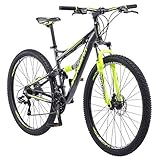


Factors Affecting the Cost of a Mountain Bike
Frame
The frame is the foundation of any bike, and it’s usually the most expensive component. The material of the frame (aluminum, carbon fiber, steel), the design, and the manufacturing process all affect the cost.
- Steel frames are the cheapest, followed by aluminum.
- Carbon fiber is the most expensive material, but it’s also the lightest and strongest.
- Advanced composites like BioMid Fiber™ can cost up to 23 times more than 6061-T6 aluminum, making them a premium option for serious riders.
- Bamboo frames, while eco-friendly, remain niche due to high material costs.
Suspension
The suspension is another important component that affects the cost of a mountain bike.
- Hardtail bikes have suspension only in the front, while full-suspension bikes have both front and rear shocks.
- For a decent hardtail, look for a price tag of $1,500 or less, while a quality full-suspension setup will run $2,000–$2,500.
Read also: 7 Best Budget Bike Forks under $500 (Buying Guide & Reviews)
Components: Cassettes, drivetrains, and brakes
Entry-level components are often made of heavy and cheap materials, and they don’t perform as well or last as long as higher-end components.
- Expect to spend $1,500+ for decent components.
- Hydraulic disc brakes and a Shimano XT or SRAM X01 drivetrain will add to the cost but deliver superior performance.
These also affect the cost of a mountain bike. If you’re looking for a higher-end bike, look for features like hydraulic disc brakes and a Shimano XT or SRAM X01 drivetrain. These features will add to the cost of the bike, but they’re worth it if you’re looking for top-notch performance.
Read also: Best Mountain Bike Brakes with Complete Buyer’s Guide

Research Insights on Costs
- Consumer Expenditures: In Duluth, Minnesota, mountain biking tourists spend about $103 per visit on equipment, rentals, and repairs, while trail users in Wisconsin report $245 daily, with total trip spending often exceeding $1,000.
- Economic Value: A travel-cost model in Moab, Utah, estimated riders’ consumer surplus at $197–$205 per trip.
- Market Fragmentation: A review of 33 studies found wide variability in cost estimates, driven by inconsistent methods and measures.
Maintenance & Ongoing Costs
- Annual Tune-Ups: Plan for $100–$200 per year to keep your bike in top shape.
- Wear Parts: Expect to replace chains and brake pads every 1,000–2,000 miles (around $50–$100 total).
- Upgrades: Swapping wheels or upgrading suspension can each cost $300+.

Accessories & Gear Budget Breakdown
Your dream mountain bike isn’t complete without the right accessories. Here’s a breakdown of essential gear and average costs to help you budget:
| Item | Purpose | Estimated Cost (USD) |
|---|---|---|
| Helmet | Head protection | $50 – $200 |
| Pedals (platform or clip-in) | Improves power transfer and control | $25 – $150 |
| Cycling Gloves | Hand comfort and grip | $15 – $50 |
| Hydration Pack or Bottle | On-trail hydration | $10 – $80 |
| Lights (front & rear) | Visibility for dawn/dusk or night rides | $20 – $120 |
| Multi-Tool Kit | On-trail adjustments and minor repairs | $15 – $40 |
| Spare Tube & Patch Kit | Flat repair | $10 – $25 |
| Pump or CO₂ Inflator | Tire inflation on the go | $20 – $60 |
| Chain Lube & Cleaning Brush | Drivetrain maintenance | $5 – $20 |
| Protective Eyewear | Eye protection against debris | $15 – $100 |
Budget tip: Prioritize a quality helmet and reliable lights—safety items deliver the best value per dollar.



DIY Upgrades & Cost-Saving Tips
Upgrading your bike yourself saves money and deepens your mechanical skills. Consider these affordable projects:
- Brake Pad Swap
- Replace worn pads with aftermarket options for $20–$30 and restore stopping power.
- Watch a 10-minute tutorial online to learn proper pad alignment.
- Tubeless Tire Conversion
- Convert to tubeless for fewer flats and lower rolling resistance.
- Kit (sealant, valves, rim tape): $50–$70.
- DIY guide: clean rims thoroughly, install tape, seat the tire, and add sealant.
- Dropper Post Installation
- Add a dropper post for $150–$200.
- Improve trail confidence with adjustable saddle height on the fly.
- Follow manufacturer’s step-by-step install video to avoid shop fees.
- Handlebar & Stem Swap
- Upgrade to a wider bar or shorter stem for better control: $30–$60 each.
- Use existing cables if compatible, or add new brake/shift cables (another $20).
- DIY Suspension Service
- Replace fork seals and oil at home for $30–$50 in parts.
- Consult your fork maker’s service manual—regular maintenance extends component life and performance.
Bike Resale Value & Depreciation
Understanding depreciation helps you recoup more when it’s time to upgrade. Mountain bikes lose value at different rates based on age, material, and maintenance history:
| Age of Bike | Estimated Resale Value (%) | Key Factors |
|---|---|---|
| 1 year | 70% – 80% | Nearly new, still under warranty |
| 2 – 3 years | 50% – 65% | Moderate wear, mid-life component replacements |
| 4 – 5 years | 30% – 50% | Likely past warranty, components need servicing |
| 6+ years | 20% – 35% | Older frame designs, outdated suspension tech |
- Frame Material: Carbon frames tend to hold value better than aluminum due to perceived prestige, but repairs can be costlier.
- Component Upgrades: Well-documented upgrades (hydraulic brakes, premium drivetrain) can raise resale value by 5%–10% over stock configuration.
- Service Records: Keeping receipts and service logs (e.g., suspension rebuilds, tune-ups) reassures buyers and boosts price.
- Season & Market Trends: Selling late winter or early spring, when riders shop for the new season, can net 10%–15% more than off-season listings.
Seller’s advice: Clean your bike thoroughly, snap high-quality photos, and list on niche cycling marketplaces to maximize exposure and final sale price.
Conclusion: How Much is a Mountain Bike?
Now you know how much is a mountain bike—from an $800 entry point to $3,000+ for premium models. Match your budget to your riding style, factor in maintenance and upgrade costs, and you’ll be trail-ready without surprises.