Key Takeaway:
- Your bike may feel tough to pedal because of mechanical issues (rusted chains, low tire pressure), tire choice (high rolling resistance), and biomechanical factors (seat height, pedaling technique). Proper maintenance, bike fit, and technique adjustments can make every ride smoother and more efficient.
Why is my bike so hard to pedal when all you want is a smooth, effortless ride?
When you can’t pedal easily, it’s because something is wrong with your bike. Most of the time, it’s an issue with the chain or brakes that needs fixing. Other times it could be a tire or even a problem with your own body.
When your bike feels hard to pedal, there are two things you should do. First, determine whether this is normal for your bike. Second, figure out what the cause of that might be. Then fix it before something goes wrong.
Need a Few Practical Extras for Your Next Ride?
Browse cycling-related clothing and simple bike accessories that may help with comfort, visibility, storage, or everyday riding.
Paid links. As an Amazon Associate we earn from qualifying purchases.
Here are some common reasons why bikes feel hard to pedal and how to troubleshoot them, so they don’t get any worse:

Check If Your Chains Are Loose
Another reason your bike is so hard to pedal is that your chains might be loose. The chain should be tight enough. It shouldn’t move around but not too tight that it binds and causes friction.
If your chain is loose, it will rub against the chainrings and cause damage to them as well as your rear cassette.
You can do a few things if your bike feels like this when pedaling:
1. Check that the chainrings aren’t bent. You can check them with a straight edge or ruler.
2. Check whether your cogs have been damaged through overuse or wear and tear.
3. Replace any worn links or have a professional re-tension your chain.
If they are damaged, go ahead and replace them. Or, if you’re feeling adventurous, then trying to repair your chains would be worth a shot!


Frozen or Rusted Chains
- A chain with rust or mud can cause it to stick and not turn, making pedaling more difficult.
- A frozen or rusted chain can also make it difficult to pedal. If your bike has a coaster brake, this will add resistance and make it harder to push the pedals down.




Check The Bike’s Tire Pressure
Check your pressure if the pedals feel moving more than they should. If you’ve had the exact tire for a while, your tires may have lost air.
The bike has less traction and grip on the ground, impacting how you can move forward. You can use the help of either a bike shop or your owner’s manual to determine the recommended PSI for your bike tires.
To check your tire pressure:
- Look at the tire’s threads to spot anything that shouldn’t be there. Please ensure there aren’t any foreign objects stuck inside that could cause it to get a flat tire.
- Check the exteriors if you don’t see anything unusual in the tires’ insides.
- Check for any cuts or tears and other signs of damage. Check spot worn treads or bulges caused by improper inflation levels (too high or low).
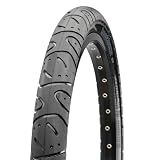
Remember: off-road tires (knobby mountain bike tires) offer great traction but on pavement they create higher rolling resistance, making pedaling feel sluggish on smooth surface.
Tire Traction and Rolling Resistance
Tires built for adventure excel off-road but can weigh you down on city streets. Research shows that knobby tires increase rolling resistance by up to 20% compared to slick road tires, forcing you to apply more force per pedal stroke.
Tip: Swap to semi-slick tires for mixed-use rides—balance grip and efficiency.
Expert Insight: High-resistance tires are great for traction, but they can add serious drag on flat ground.



Check Your Gears
Your bike might be so hard to pedal that the gears are lower than you need for the terrain. In other words, you’re in too low gear for the conditions.
In this case, try shifting up a couple of cogs until it feels easier to pedal. If that doesn’t work out, you may need to change the gear ratio on your bike. You can also change the cassette on your bike (which will need an expert).


Change The Gear Ratio
Gear Ratio is the size of the chainring and front sprocket to each other. A larger chain ring will make pedaling easier, while a smaller one will make pedaling harder.
The correct gear ratio depends on your terrain, fitness level, strength, and weight.

Check For Water Or Lubricant In The Bottom Bracket
You may have observed that your bike is hard to pedal when you ride in wet conditions. It could be because of water or lubricant in the bottom bracket.
It’s good to keep a rag handy if you ride in wet conditions, as water can get into the bottom bracket. Water can also cause dirt to build up inside your frame and components. It usually happens if you’re riding on unpaved roads or trails where mud is prevalent.
You can consider a sealed bottom bracket system like Shimano Steps. Look for something that’s designed for rain-soaked terrain.

Check Your Derailleur
The derailleur cable is the last to check if your bike is hard to pedal. Check if it needs adjusting, replacing, or something needs tuning.
When you push down your pedals, the derailleur cable pulls the chain from one gear system to another. If this doesn’t work correctly, it can cause problems shifting gears on your bike while riding it.
It may also make pedaling more difficult by causing a chain to rub against itself, the tires, or the spokes.


The Frame Size Is Wrong
Base your bike’s frame size on your height and leg length. You might ride a larger frame if you have a long torso and short legs than someone who has a shorter torso but long legs.
A too small bike for you will be hard to pedal. Also, a too-large bike will feel like it’s wading through mud.
To determine your seat height, measure from the seat post clamp to where your foot would rest when seated. A professional bike fitter at a local shop can help determine what frame size would fit you.
They’ll also ensure everything fits, so pedaling feels smooth throughout rides.
Rider Technique & Bike Fit
Biomechanical factors—like saddle height, body position, and pedaling cadence—play a huge role in efficiency. Suboptimal fit can force your muscles to work harder:
- Seat-to-Pedal Distance: Too high or low changes joint angles, increasing effort
- Pedal Stroke Technique: Inefficient force application reduces power and raises perceived exertion (Onasch & Herzog, 2024).
- Cadence: Aim for 70–90 RPM to maximize energy efficiency.

Chain Sticks
- The chain is not moving freely. Several things can cause this, but it’s usually due to too much slack in the chain or worn-out parts.
- Check your chain tension. If it’s too tight or loose, that could also cause problems! Make sure you’re using the right size chain links and joining them, so they don’t come apart quickly.
- The rollers should be round (not flat) with no rust. The pins and bushings should be smooth. The plates should not have dents or cracks. Replace them immediately.


Tune-ups
If you’ve checked all these and still have trouble with pedaling efficiency, it’s time for a tune-up!
A tune-up is a process that ensures that your bike is running as smoothly as possible. A well-tuned bike means you can bike to all your destinations with no extra effort!
Tune-ups can be preventive or corrective. Bicycles need regular tune-ups to function well. Preventive tune-ups are done before your bicycle needs significant repairs.
Corrective tune-ups are performed when something is wrong and needs immediate attention.
During a tune-up, they will ensure that all parts of your bike are working. Tune-ups include checking the brakes, gears, seat, and wheels.
They inspect your tires and make sure they have proper air pressure. They will also let you know if some parts need replacing.
Conclusion: Why is My Bike so Hard to Pedal?
When you ask, why is my bike so hard to pedal, the answer often boils down to a mix of mechanical wear, tire selection, and how you fit and power your bike.
By keeping your drivetrain maintained, choosing the right tires, and dialing in your bike fit and technique, you’ll transform resistance into effortless forward motion—ready for any adventure.