Key Takeaway
- Storing a bike outside requires a mix of protection from weather and theft prevention.
- Waterproof covers, sheds, and racks extend bike lifespan by shielding it from UV rays, rain, and moisture.
- Locks, placement in well-lit areas, and anti-theft add-ons reduce the risk of bike theft.
- Regular cleaning and maintenance are critical for bikes stored outdoors long-term.
Your bike is your friend, an investment, and an extension of your personality. You want the best accessories, the best ride, and the best way to store your bike. But what if you need to store your bike outside?
Your living space might already be cramped, or your landlord demands you store your bike outside. Or you often get your bike so dirty that you cannot bring it indoors after each ride. Don’t get discouraged. You can still keep your bike safe and in excellent condition.

What To Consider Before Storing Your Bike Outside?
You can’t simply leave your bike in the open and expect it to last long. Before you store your bike outside, consider these things:
Location
The place where you will leave your bike outside can greatly affect its condition. If you can, try to store your bike in an area away from the elements—like a shed or garage. Or, if it just can’t fit in there, opt for a balcony or a spot near the entrance of your house.
If you can’t store your bike near your house, try to find a spot in the shade or shelter from the elements. Use a waterproof cover to protect your bike if you can’t find an area sheltered from the wind and rain.
Bike Weight
If you plan to hang your bike or mount it on your wall outside, ensure your bike is lightweight and that the mounting screws can hold its weight. Heavy bikes need stronger screws to stay secure.
If you are still renting a house or a flat, consider storing your bike indoors or in an area sheltered from the elements. It will save you time and ensure your bike is always ready for your next adventure. Remember to ask permission from your landlord first toa void possible conflicts.
For added insights on mounting systems, see Best Rear Bike Rack.
Wall/Floor Protection
Bike grease and the dirt from your tires might damage the floor or the wall of your house. To protect these surfaces, use bike mats and padded coverings to avoid any possible damage.
Security
If you have no garage, shed, or balcony or storing your bike elsewhere, invest in a good security lock. This will deter thieves and help keep your bike safe.



How To Store a Bike Outside

Ready to get your bike ready for the next journey? Here are some amazing outdoor storage ideas to ensure that you can keep it securely stored and always be prepared:
1. Bicycle Sheds
Bicycle sheds are great for keeping your bike safe from the elements. They are usually lockable and can also keep bikes secure from thieves. If you have enough space outside your home for one, you can buy an easy-to-assemble bike shed or build one yourself.
2. Bike Covers
If you can’t afford a bike shed, purchase a waterproof cover that is secure enough to keep your bike safe from rain and potential thieves. Bike covers are also budget-friendly, so you don’t have to break the bank to keep your bike safe.
When it comes to bike covers, you can choose between full bike covers, vehicle bike covers, and waterproof seat covers. Choose sturdy one that can protect your bike from UV rays, dust, and dirt.
3. Outdoor Bike Racks and Mounts
Bike racks are ideal for small spaces. You can mount it on your house or garage wall or find a freestanding rack to keep your bike secure. Double-check the mounting screws and buy one that can hold your bike’s weight.
There are many types of outdoor bike storage solutions available.
- Kickstands. A kickstand is a great way to keep your bike upright and secure, whether you’re storing it at home or taking it with you on trips.
- Ground Mounts. You can install these on the ground outside your home or on a patio. It’s an easy and convenient way to keep your bike stable and secure.
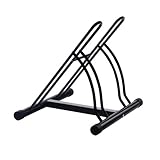
- Freestanding Racks. Perfect for garages or areas where you cannot attach wall-mounted racks, these bike holders act like coat hangers. Generally designed to hold two bikes but can accommodate more depending on the model, they are easy to move and relocate when you need extra space while cleaning up your garage or relocating houses.
- Wall Mounts. Usually installed on a garage wall, this is an easy way to store your bike safely. Just make sure you have strong enough screws to hold your bike’s weight.
- Gravity Stands. These stands use gravity to keep the bike in place. They are ideal for storing your bike without taking up too much space.
- Hoist Bike Storage. You can use this option to store your bike if you have a high ceiling. This requires the installation of two pulleys and ropes, which will allow you to store the bike in an upright position.
- Ceiling Mounts. Like hoist bike storage, ceiling mounts allow you to hang your bike from the roof.
For tips on setup, check How to Store Bike Outside or learn how to use bike racks properly here: How to Use Bike Rack.


4. Bike Tents
Ideal for outdoors, these tents come in various sizes and shapes to protect your bike from harsh weather. They also provide added security, as no one can see your bike from the outside.
5. Bike Travel Cases
These cases are sturdy and secure for transporting your bike on a plane. They also offer extra padding to protect the bike from possible damage during travel.
Soft shell cases are inexpensive to protect your bike from dust, dirt, and rain. They are also lightweight and can be easily folded for convenient storage.
Hard plastic cases are more secure and offer better protection for your bike. They are also perfect if you plan to haul your bike over long distances.
Related article: How to lock a bike without a rack
Downsides of Outside Bike Storage
Leaving your bike outdoors can cause:
- Rust and corrosion on chains, bolts, and cables.
- UV damage that fades paint and weakens rubber parts.
- Theft risk due to visibility and accessibility.
- Flat spots on tires from long-term pressure.
That’s why regular cleaning, lubrication, and proper locking are non-negotiable for outdoor storage.

How To Protect Your Bike When Storing It Outside
If you can’t store your bike inside, here’s how to protect it from the elements and theft outside.
- Invest in a good lock: A good quality bike lock will help protect your bike from theft.
- Cover your bike: Use a bicycle cover to protect your bike from the sun and rain. This will help keep it dry and prevent fading.
- Use a dehumidifier: A dehumidifier will help keep your bike dry and protect it from the corrosion caused by humidity.
- Keep it clean: Regularly cleaning and lubricating your bike will help protect it from corrosion and wear and tear.
- Install a security system: If you have a very expensive bike, installing an alarm or other security system can help protect it from theft.
- Document your bike’s serial number in case of theft. Here’s a guide on how: Identify Bike by Serial Number.
Storing your bike properly will ensure it’s always ready for your next ride and extend its life. Try out any of these outdoor bike storage ideas to keep your beloved two-wheeler safe and secure!

Research-Backed Insights on Outdoor Bike Storage
Recent research highlights the importance of combining weatherproofing, security, and regular maintenance when storing bikes outside.
- Outdoor bike storage must guard against rain, snow, UV rays, and moisture, which accelerate rust and component wear.
- Weatherproof racks and covers made from galvanized or powder-coated steel reduce corrosion.
- Security studies emphasize strategic placement near entrances or under lighting, combined with high-quality locks, as theft deterrents.
- Organizing bikes by type (road, MTB, commuter) and using space-efficient racks ensures long-term usability of outdoor areas.
- Routine inspection, cleaning, and lubrication extend the lifespan of both the bike and the storage system.
Final Thoughts on How to Store a Bike Outside
Storing your bike outside doesn’t have to mean sacrificing its safety or lifespan. With waterproof covers, sheds, proper locks, and routine care, you can keep your ride secure and in great condition. Remember: the secret to mastering how to store bike outside is a smart combination of theft prevention and weather protection.
Reference: GearHooks. (2024). Best practices for outdoor bike storage and protection. https://gearhooks.com/blogs/news/outdoor-bicycle-storage-essential-tips-for-keeping-your-bikes-safe-and-organised